Is this our first proper look at the iPhone 11? Photo: Weibo
Newly leaked schematics might provide our first look at Apple’s next-generation “iPhone 11.”
The technical drawing lends credence to rumors of a major camera upgrade for the upcoming device. However, if the iPhone 11 schematics prove legit, fans might not be happy with the placement of the smartphone’s camera lenses.
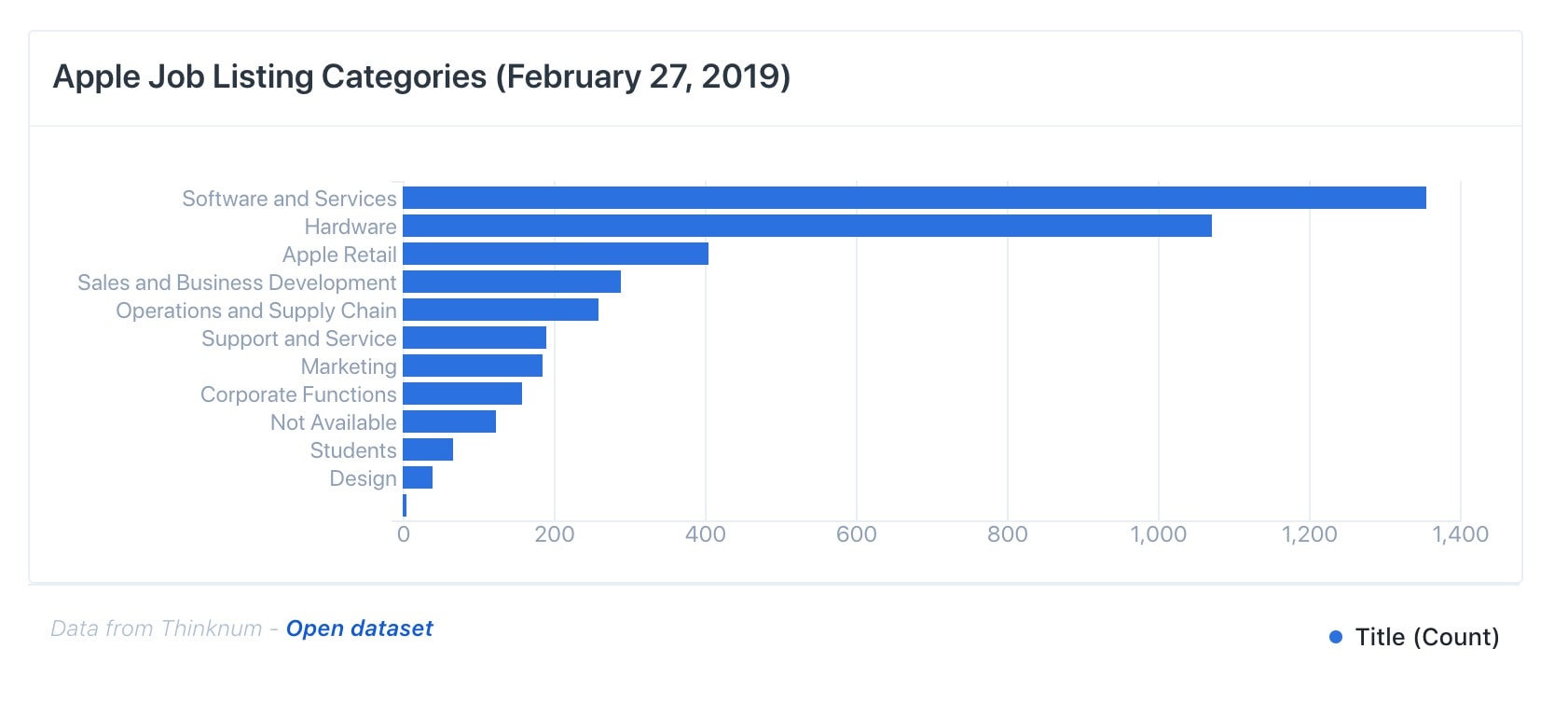
Software jobs far outnumber hardware jobs at Apple. Photo: Thinknum
Apple appears to be doubling-down on software over hardware when it comes to hiring new employees right now.
For the first time in years, Apple now has more software job opening than hardware. According to a new report that analyzed Apple’s job listings, Software Engineers became the most in-demand employees at Apple starting in Q3 and the trend is still holding strong.
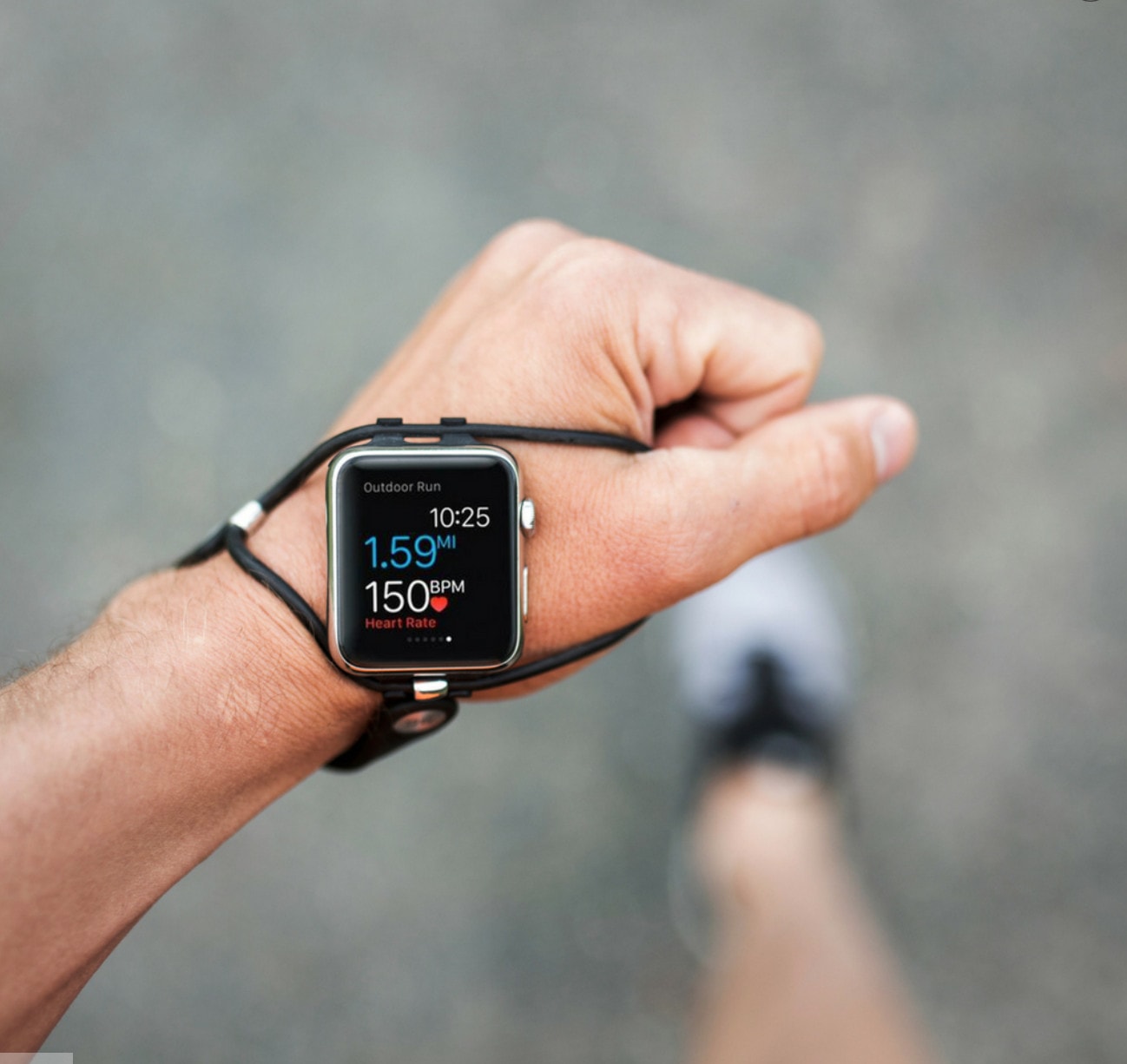
Shift lets you maintain form and spend less time looking at your wrist. Photo: EdgeGear
A pair of avid runners turned engineers have reinvented the watch band into something kind of genius, and we’ve got it in the Cult of Mac Watch Store.
Your Apple Watch provides a torrent of information – so why wear it in the same spot as the watch your great-grandfather wore? Putting key stats and info in your natural line of sight is not only easier to read, it’s easier to use and it’s safer.
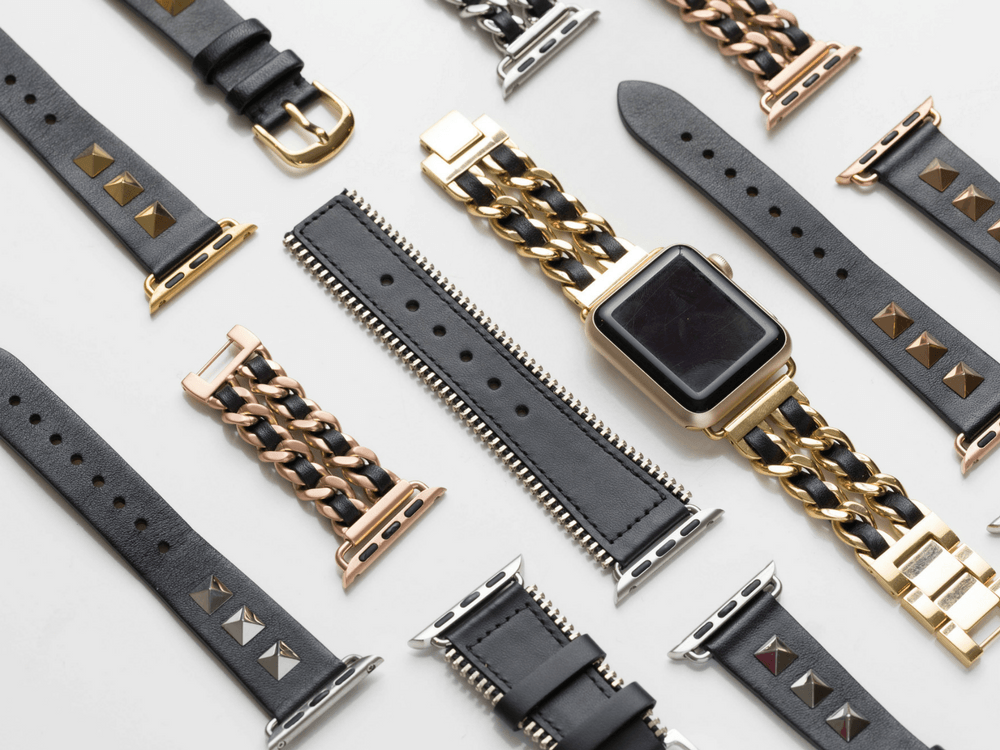
Transform your tech gadgets into fashion statements. Photo: Bezels & Bytes
If you’re looking for a uniquely beautiful watch band to transform your Apple watch from a time piece to a jewelry statement, look no further. Bezels & Bytes fuses tech and style seamlessly with their collection of stunning, luxury Apple Watch Bands. Just ask Oprah!
We unboxed their gorgeous Chainlink & Leather Apple Watch band in rose gold, and it was awesome. Check out the live unboxing video on our YouTube channel here:
The union of nostalgia and high-tech makes for a brand-new way to wear Apple Watch. Photo: Bucardo
At first glance, the Silver Pinstripe Pocket Watch by Bucardo may look like a forgotten relic from your grandfather’s musty closet.
Except, it’s not.
This wondrous, little trinket is the new and improved 2018 version of vintage accessory. It’s a uniquely stunning way to wear your Apple Watch, bucking current trends by melding vintage style and tech. The pocket watch transforms your Apple Watch into a classic yet “on trend” look. Watch us geek out at this marvel in our YouTube unboxing video:
Looking for a hardware engineering job? Apple is hiring. Photo: Duncan Sinfield
Something hot is brewing in Apple’s hardware department.
Apple has been busy hiring a record number of engineers over the last few months. The move comes after the company also went on a designer hiring spree, indicating a major new product or two could be in the works.
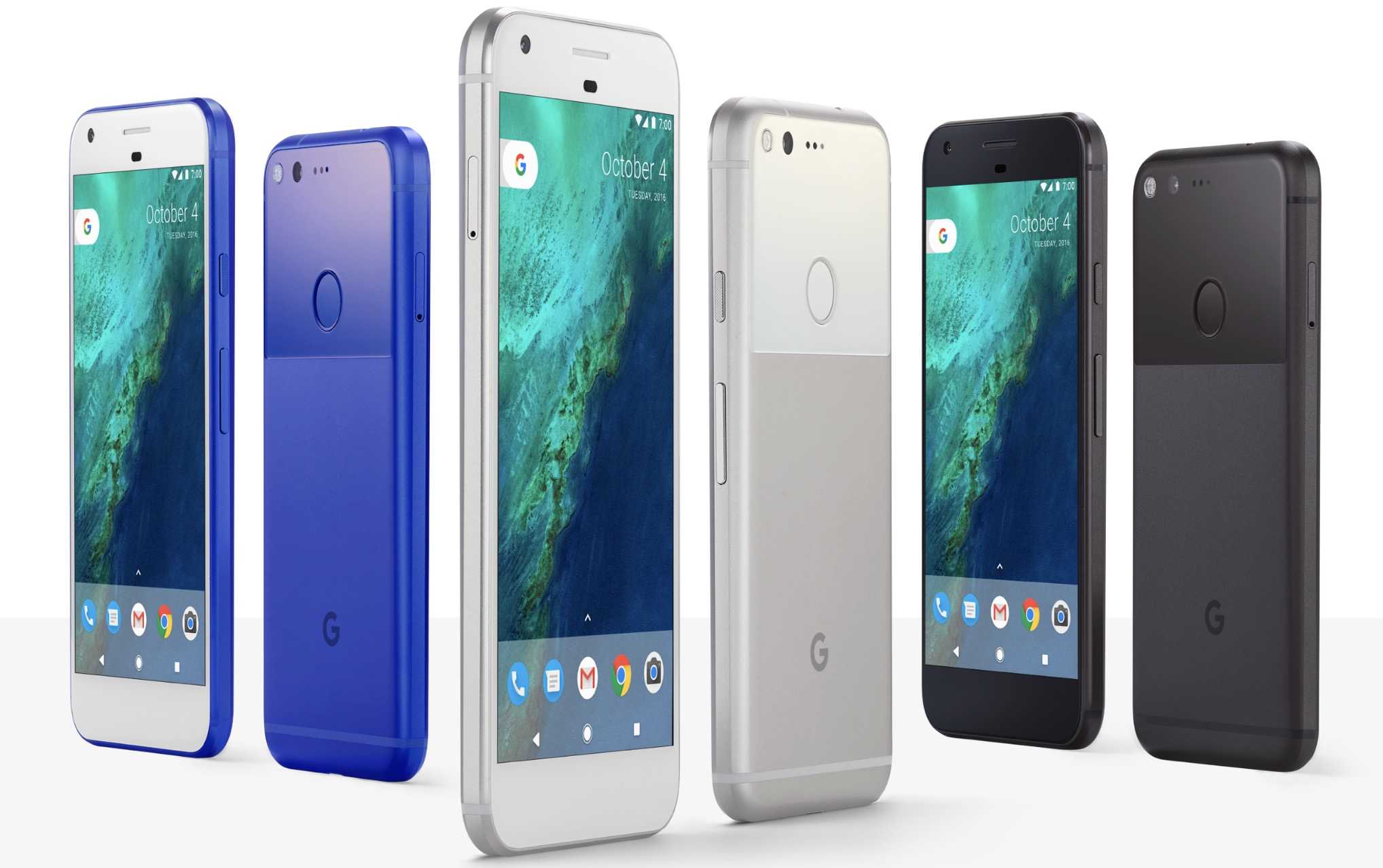
It's in talks to buy HTC, maker of the Pixel lineup. Photo: Google
Google plans to step up its fight against the iPhone 8 by taking a leaf out of Apple’s playbook.
A new report claims the company is in talks to buy HTC’s struggling smartphone business, which would give it near complete control over future Pixel devices.
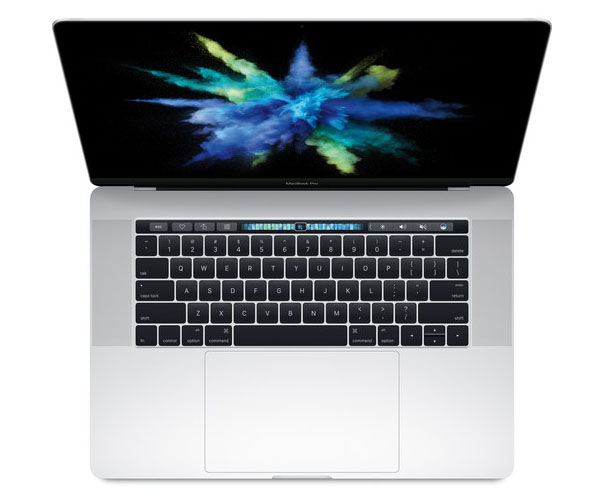
The new MacBooks will probably look the same on the outside. Photo: Apple
Apple fans craving more powerful MacBooks may get their wish next month at Apple’s Worldwide Developers Conference.
The company is allegedly planning to unveil a new lineup of MacBooks, according to a report that claims the new machines will pack Intel’s new Kaby Lake processor to bring more speed than ever.
The Disposable Film Festival showcases video shot on iPhones and similar gadgets. Photo: Disposable Film Festival
Calling all iPhone filmmakers! The Disposable Film Festival is now accepting submissions for its 10th annual program in March 2017.
Heralded as the “Oscars of online video,” the Disposable Film Festival showcases the finest films made on everyday devices and “disposable media,” including cellphones, point-and-shoot cameras, DSLRs, webcams, screen-capture software, Flip cams, and newer technology like Google Glass, 3-D printed stop animation, and more.
Spectacles are no longer a U.S. exclusive. Photo: Snap, Inc.
After Google released a limited number of Google Glass devices to eager beta testers a few years back, I found myself one day sitting next to a kid in a coffee shop wearing one.
I waited for the jerking gestures of his head to pause to ask him how he liked this much-hyped future of personal computing. He loved it but wondered if people would ever stop worrying about whether he was covertly filming them.
Newegg's $1,000 gift card giveaway is your last chance to build the machine of your dreams. Photo: Cult of Mac Deals
If you’re coming up against the hardware limitations of your Mac, or just can’t afford one that performs at the level you need, you could always just build the machine you need. Spend a little bit of time on Newegg, and you’ll see that there’s basically no component they don’t carry, and no machine you can imagine that can’t be built. Getting the best parts for your personal computer can be costly, but with the Newegg $1000 Gift Card Giveaway even the highest-performing machine suddenly seems within reach.
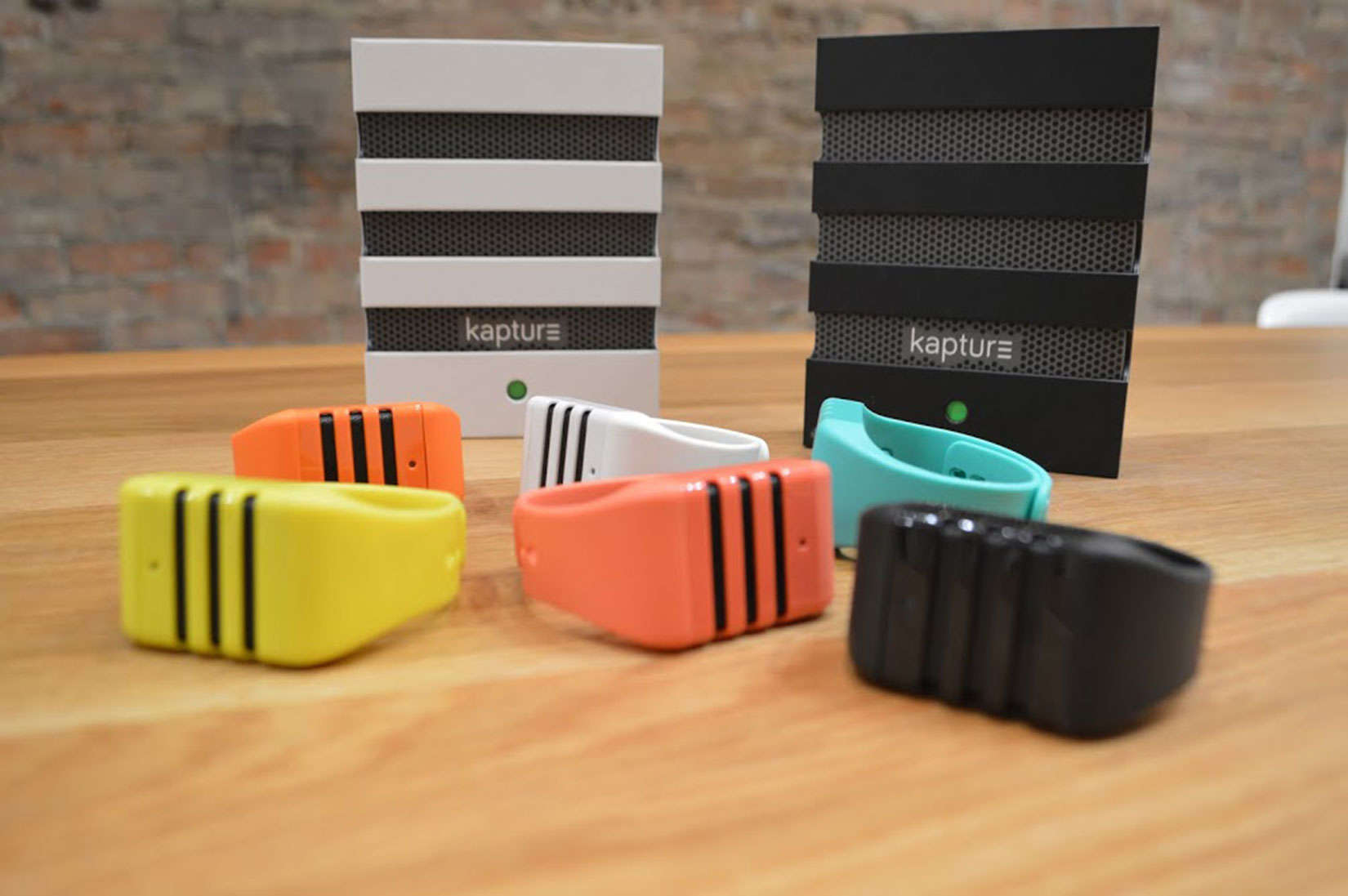
Kapture puts an omnidirectional mic on your wrist. Photo: Kapture
There are people who walk this earth with a recorder and mic much the way a photographer does with a camera. Like the eye, the ear picks up rich and textured details, from the husky-voiced uncle spinning a yarn at Thanksgiving to swirly gusts of wind rousting the last leaves of fall clinging to their branches.
Whatever peeks your audio curiosity, Kapture is a discreet recorder ready at the wrist to save the ambient sound that orbits your ears.
The LockSmart has no key or combo. Just be sure to have the proper app on your smartphone before you lock up your things. Photo: Dog & Bone
Buy a shiny new padlock and hold in your hand something that hasn’t changed much since the Romans used them 500 years before Christ. The ubiquitous lock has a u-shaped shackle that connects to a body containing a mechanism that locks and unlocks with a key or combination wheel.
Keys get lost and combination codes forgotten so the company Dog & Bone put its own stamp on the padlock, or actually, your stamp, by creating a smart lock that is controlled by an app on your smartphone.
Amazon makes drastic changes to prevent another Fire phone disaster. Photo: AmazonAmazon makes drastic changes to prevent another Fire phone disaster. Photo: Amazon
Amazon has dismissed dozens of engineers and ditched a handful of hardware projects following its dismal attempt at tackling the smartphone market, according to a new report.
The retail giant has also restructured what’s left of its hardware division, combining what was two separate units into one.
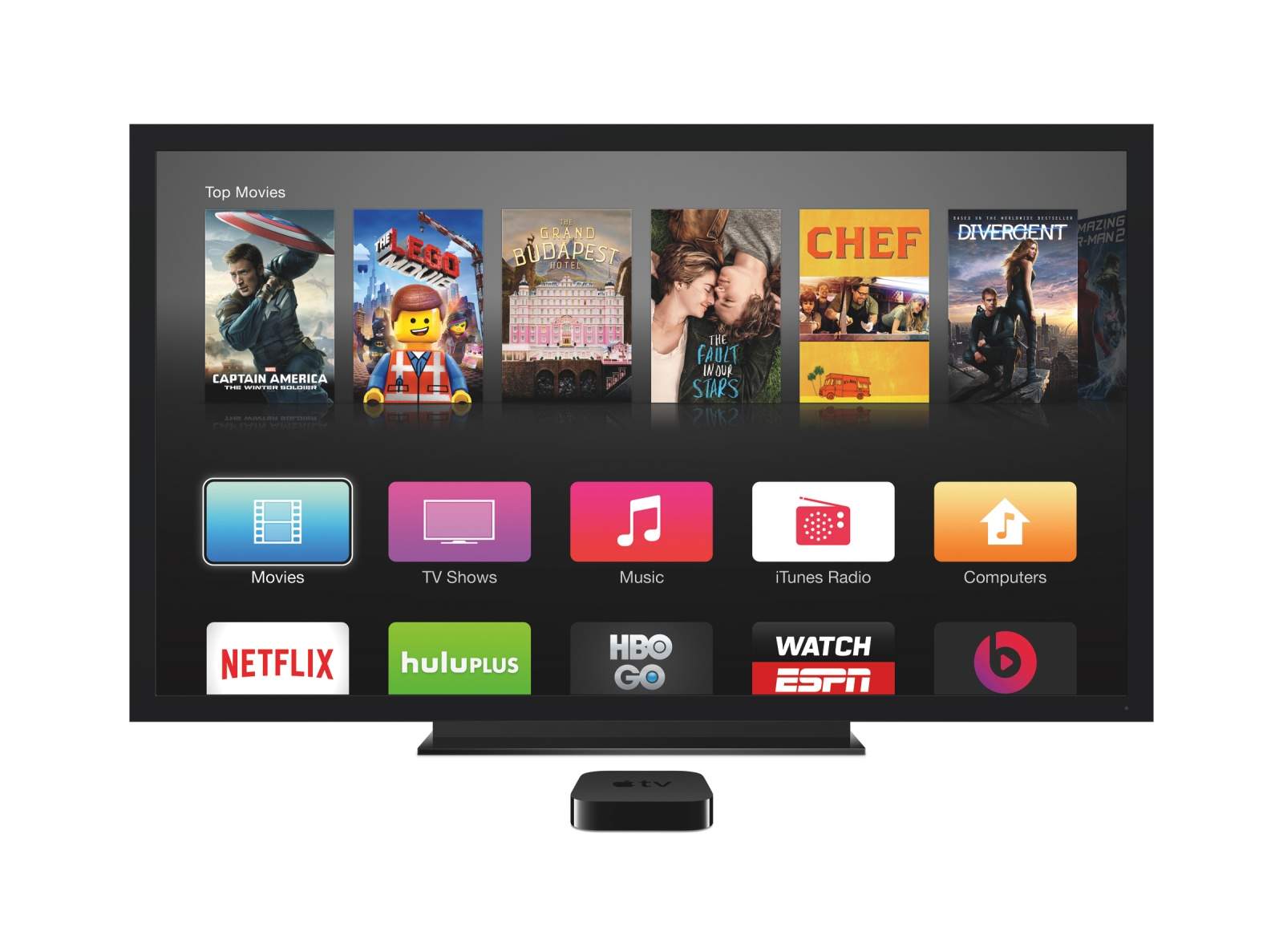
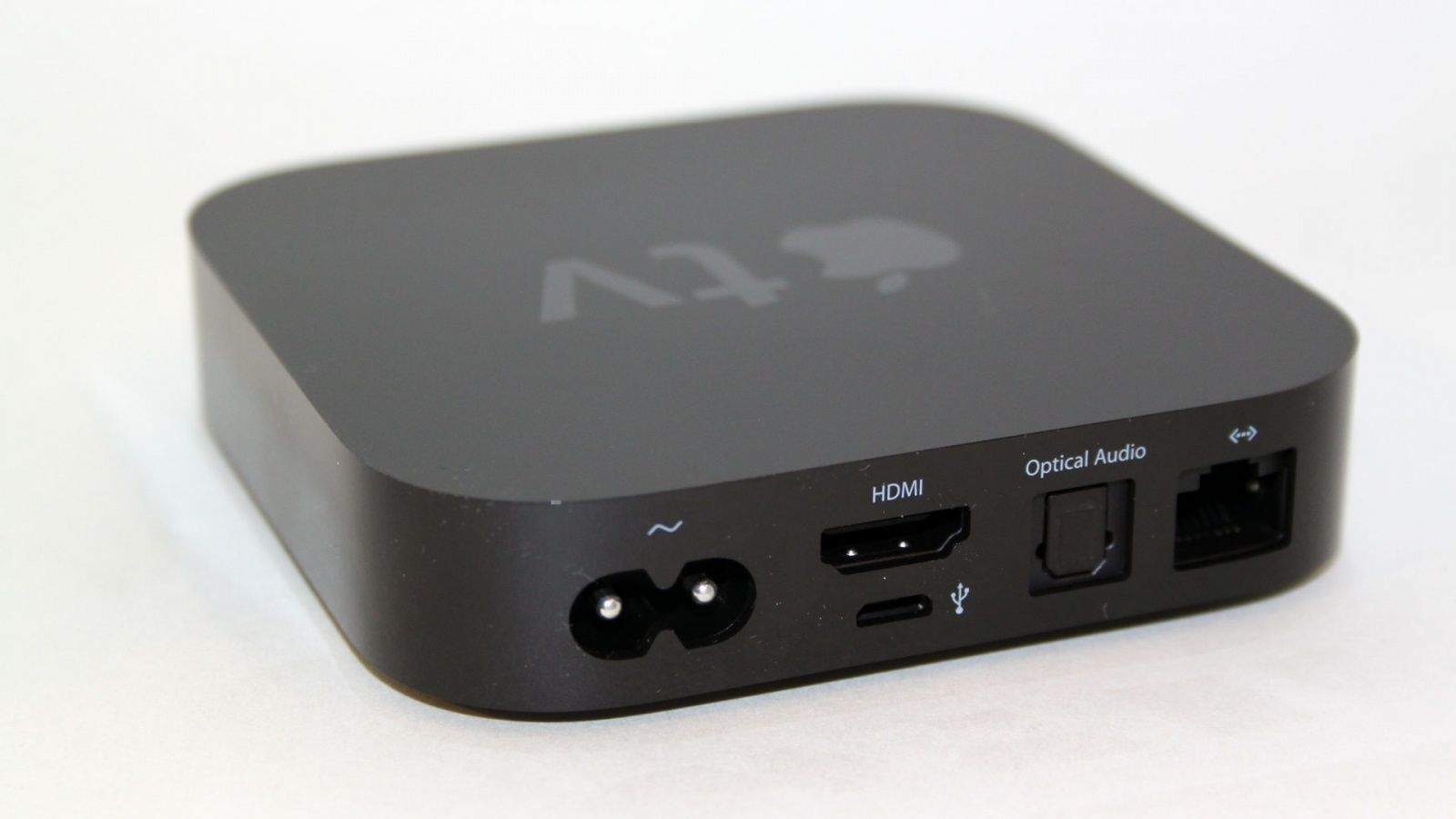
Check out nine seriously cool ways to make the most out of your old Apple TV. Photo: Apple
OK, play time is over. Last week’s article on five things to do with your obsolete Apple TV was meant to bring some light humor to your day, but we heard your comments loud and clear. Many of you looking for legitimate tips on what to do with an old Apple TV felt misled by the headline when you wound up scrolling through a sarcastic list. For that, we apologize. I apologize.
But we’re not all talk and no action at Cult of Mac. Without further ado, here is an actual list of nine things – four extras because we like you a lot – that you can do with your old or soon-to-be-obsolete Apple TV. For real this time. Seriously.
Even with an improved Apple TV coming this fall, your current set-top box won't be totally useless. Photo: Apple
Editor’s note: This is a humor piece. If you are looking for legitimate uses for your old Apple TV, you might want to read this article instead: “9 practical uses for your obsolete Apple TV.”
All rumors and speculation point to a brand new model of the Apple TV – and it’s about time. It should be complete with better hardware and finally its own App Store.
You might be hoping for a software update that will bring the App Store to your current Apple TV, but it’s not likely. Apple could pretty easily claim that older models don’t have the hardware to support it. You’re probably thinking your current set-top box will soon be totally obsolete, but if that’s your mentality, fear not. Here are five things you can do with your Apple TV when it becomes old news in September.
Here's the rear housing for the iPhone 6s with a few observable design tweaks. Photo: Future Supplier
Ahead of a probable announcement in September, it looks like we can already get a sneak peak at the iPhone 6s Plus – or at least the back of it. The rear housing leaked and there are plenty of photos to gaze at and of course scrutinize for months to come. Some very small differences in the casing have already garnered some attention.
Your iMac might be in need of a hard drive replacement. Photo: Apple
Apple has launched a replacement program for certain iMac models with 3TB hard drives. If you bought a 27-inch iMac with a 3TB hard drive between December 2012 and September 2013, you might be eligible for a free replacement hard drive.
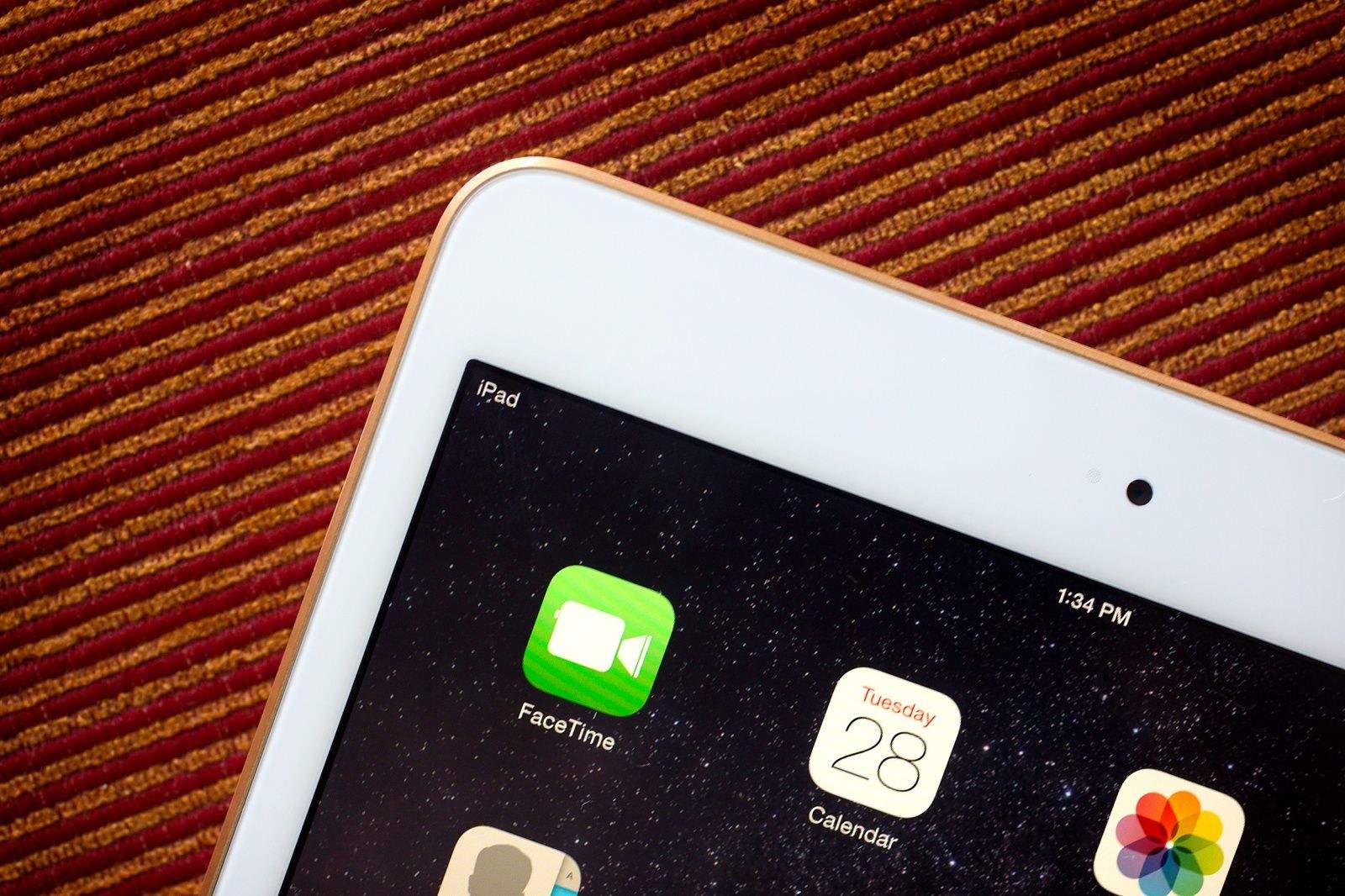
Apple stops selling its last non-Retina iOS device. Photo: Jim Merithew/Cult of Mac
The last iPad with a non-Retina display was sent to the grave today, almost three years after its debut.
Apple quietly pulled the iPad mini from its online store, leaving just the iPad mini 2 and 3 behind to go with the iPad Air 2. In doing this, Apple made a significant milestone stone: the Apple Store no longer sells non-Retina iOS devices.
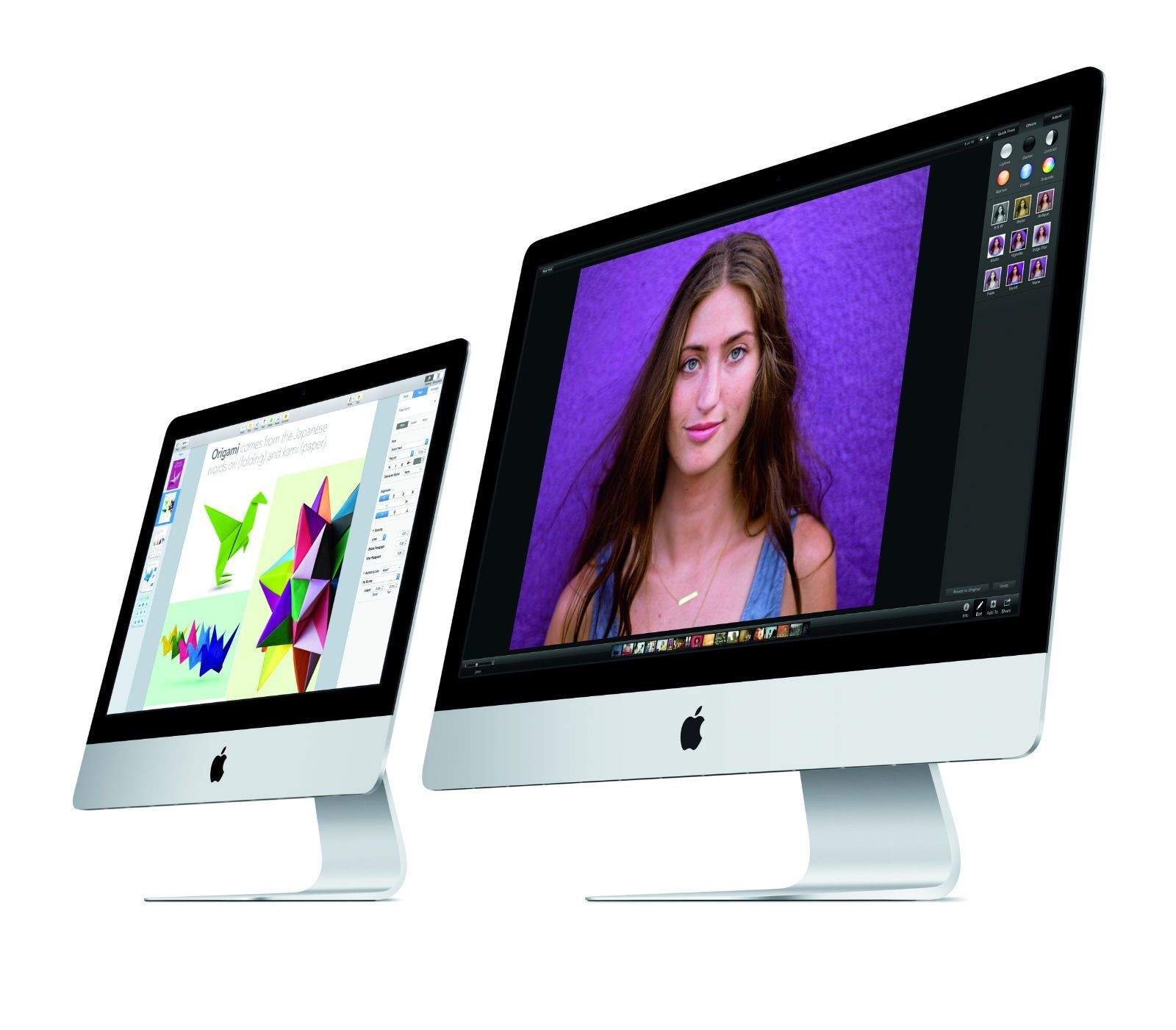
New 27-inch Retina iMacs will usher in a new age of Ultra HD displays.
The iMac is Apple’s only machine that hasn’t gone Retina, but a new report claims the wait is almost over for the desktop beast — Apple is “incredibly likely” to announce its new Retina iMac next month.
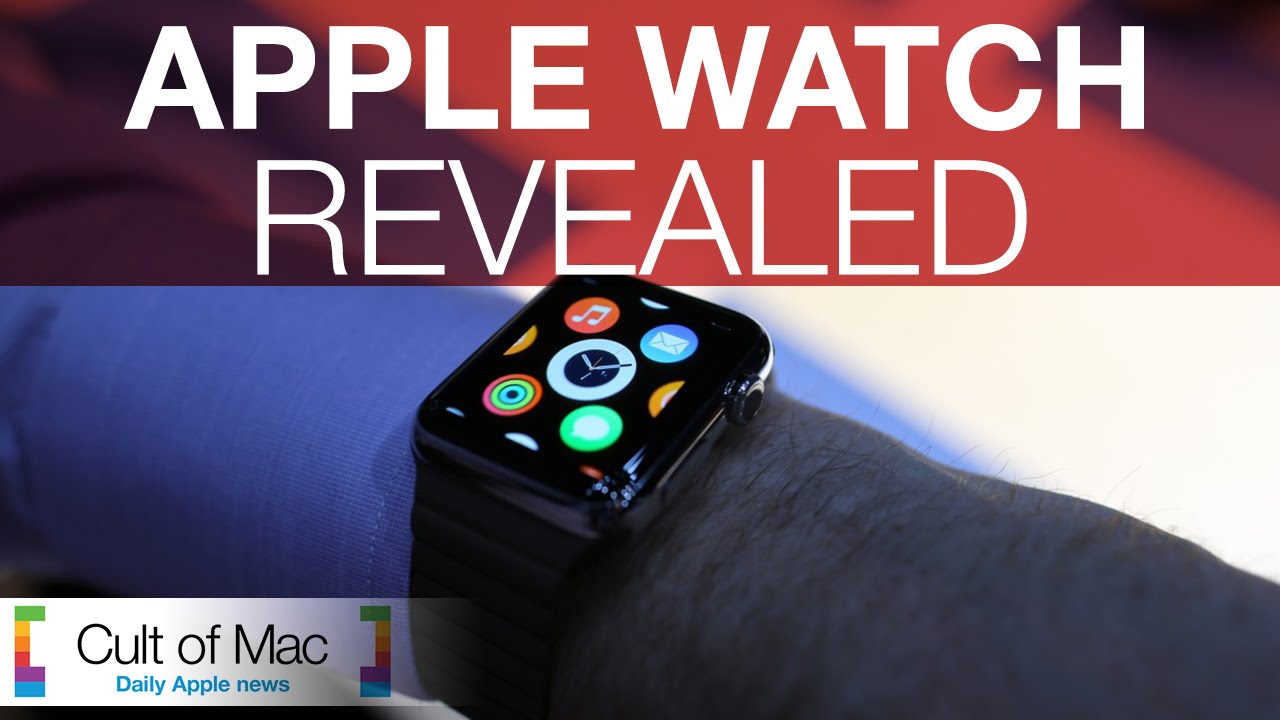
With the poor streaming quality from yesterday’s Apple Event, you may have missed some of the juiciest bits — like the unveiling of the Cupertino company’s exciting new wearable. Well, fear not; the video above will tell you all you need to know about Apple Watch in just six minutes.
While you’re waiting for the Apple Watch to be released, be sure to subscribe to Cult of Mac TV on YouTube to see more videos like this one — as well as the latest Apple news, and much, much more.
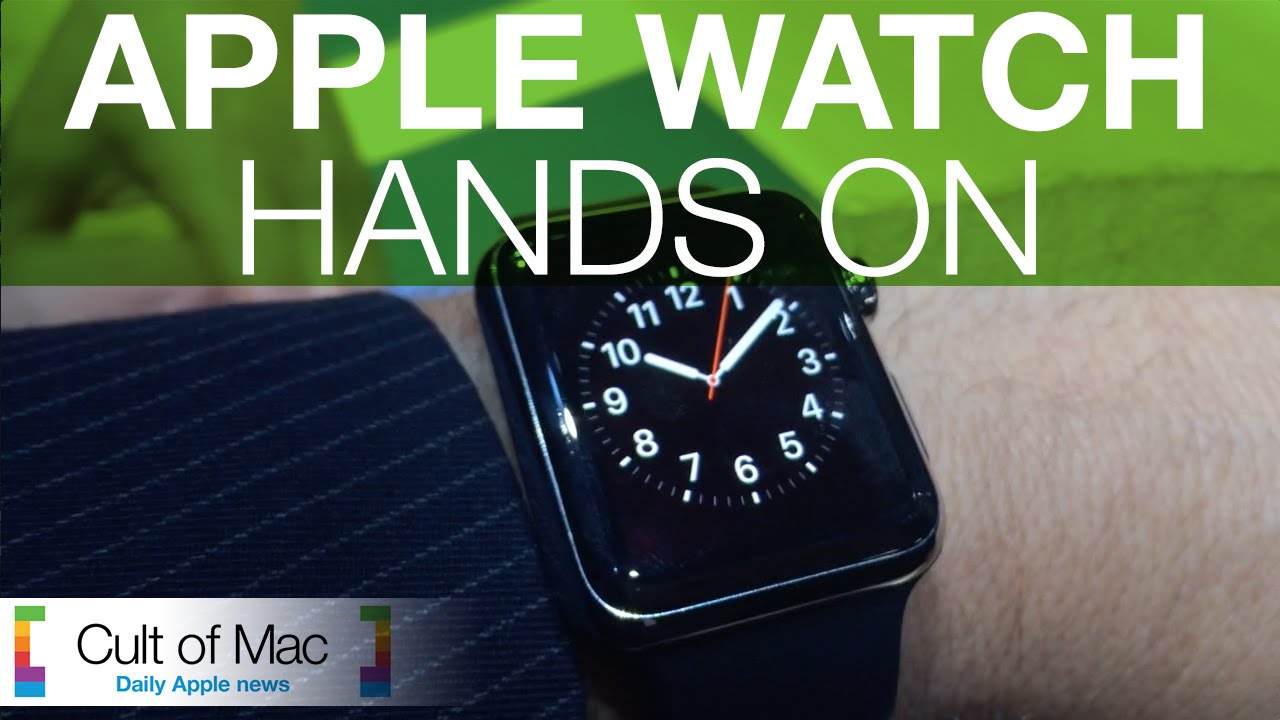
Apple finally unveiled its wearable device today — dubbed the “Apple Watch” — and Cult of Mac was there to get a hands-on look at the highly customizable smartwatch.
The new Kobo H2O might be the best e-reader, like, ever. Photo courtesy Kobo
If you live in the Southern hemisphere, I have some great news for you – there’s a new waterproof e-reader coming out, the Kobo Aura H2O, that will ship in October, just in time for your summer.
For everyone else, this upscale reading gadget looks like a great Christmas gift.
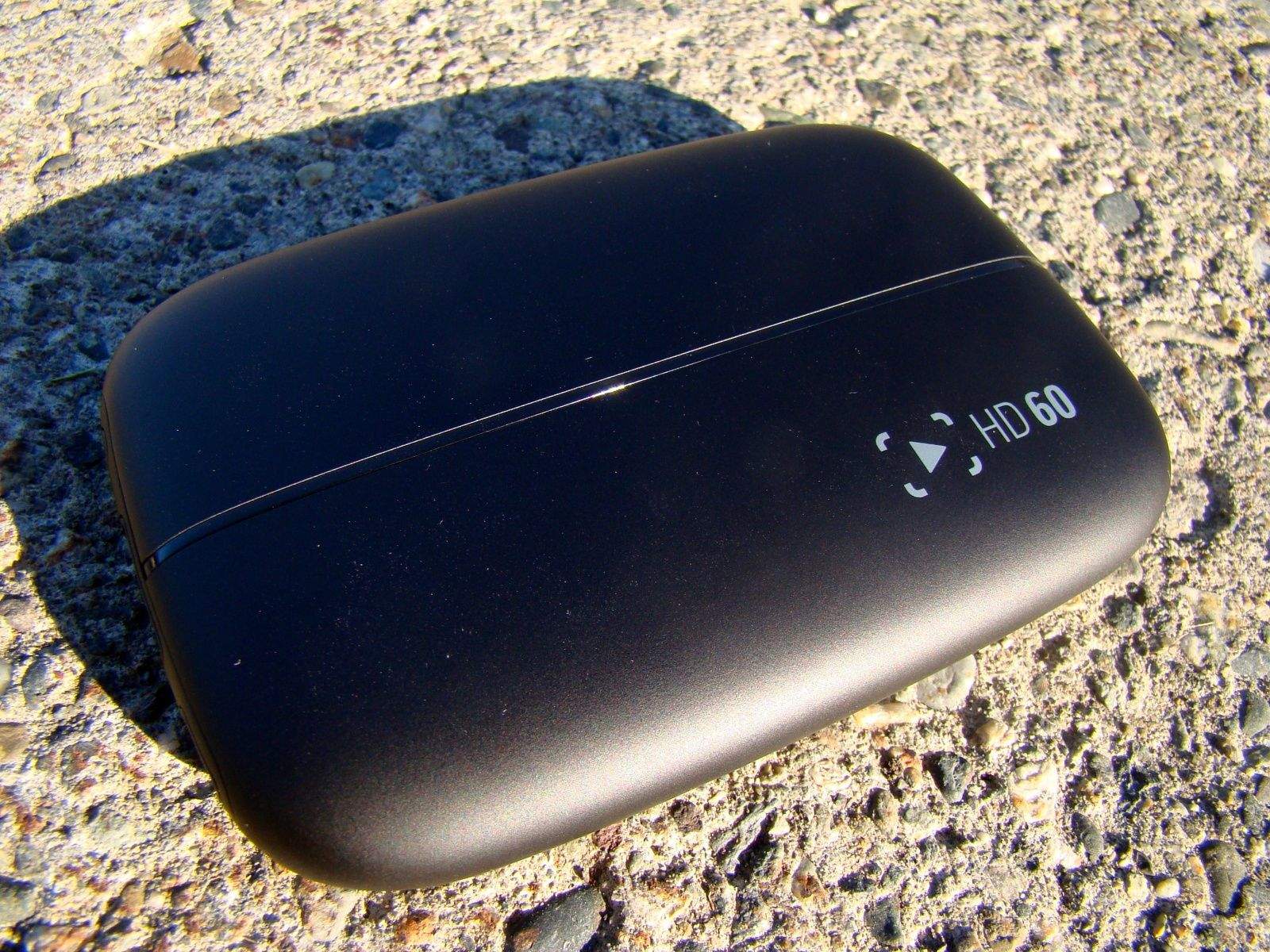
The Elgato Game Capture 60HD is a tiny box, but it's hugely useful. Photo: Rob LeFebvre/Cult of Mac
When you’re gaming on a new-generation console like the PlayStation 4 or Xbox One, you’ll be astounded by the crystal-clear graphics and the silky-smooth 60 frames per second animations.
If you want to share this video at its native resolution, you’ll need something heavy duty to do the capture and editing. Something massively capable that can handle input via an HDMI interface. Something that doesn’t take up too much space — you need that for your gaming consoles. What you need is something like the Elgato Game Capture 60HD.
Because life’s too short for a crummy converter box with a huge footprint.
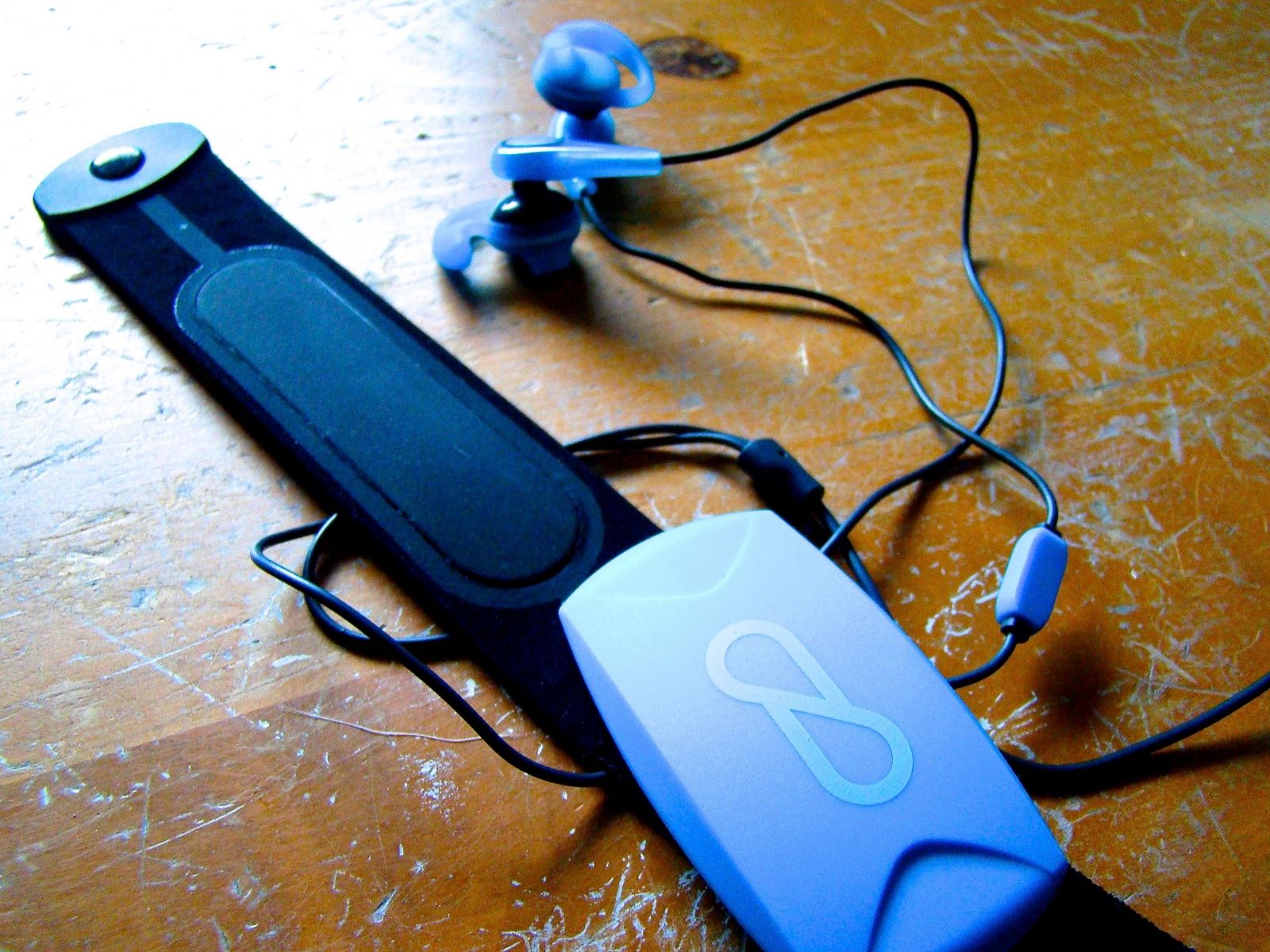
Pear Sports' workout system pairs a heart rate monitor with comfortable earbuds and a mobile app. Photo: Rob LeFebvre/Cult of Mac
I’ve been a runner for a long time. I trained for (and ran) the 1994 Los Angeles Marathon. I’ve run 5K races, half marathons and relays for full marathons up here in Alaska, too. I find that running gives me the best bang for my buck: All I need is a pair of running shoes, some appropriate clothing (it gets cold up here), and some music to keep me getting out there.
Recently, though, I’ve been playing with a new bit of gear: the Pear Sports heart rate monitor, paired with a set of earbuds engineered to stay in your ears while working out, plus a pretty fantastic mobile app to make sense of the heart rate data.