Mobile menu toggle

Steve Jobs - page 2

Today in Apple history: Apple co-founder quits and cashes in his stake for $800

By

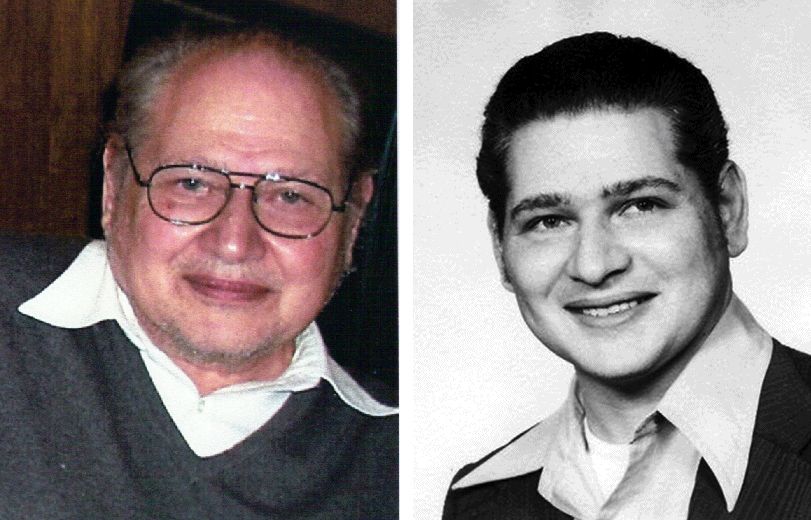
Ron Wayne: today, and when he co-founded Apple in 1976
Ron Wayne today and when he co-founded Apple in 1976.
Photo: Ron Wayne

April 12: Today in Apple history: Apple co-founder Ron Wayne quits and cashes in his stake for $800 April 12, 1976: Apple’s third co-founder, a former Atari colleague of Steve Wozniak’s named Ron Wayne, cashes in his Apple shares for just $800.

Wayne, who owns a 10% stake in the company, throws in the towel after worrying that he doesn’t have the time or energy to properly invest in Apple. He later receives an extra $1,500 check to seal the deal. When he cashes it, he loses out on an investment that could have been worth billions.

“I was 40 and these kids were in their 20s,” Wayne told Cult of Mac decades later, referring to Apple co-founders Wozniak and Steve Jobs. “They were whirlwinds — it was like having a tiger by the tail. If I had stayed with Apple, I probably would have wound up the richest man in the cemetery.”

Today in Apple history: Apple-1 starts a revolution

By

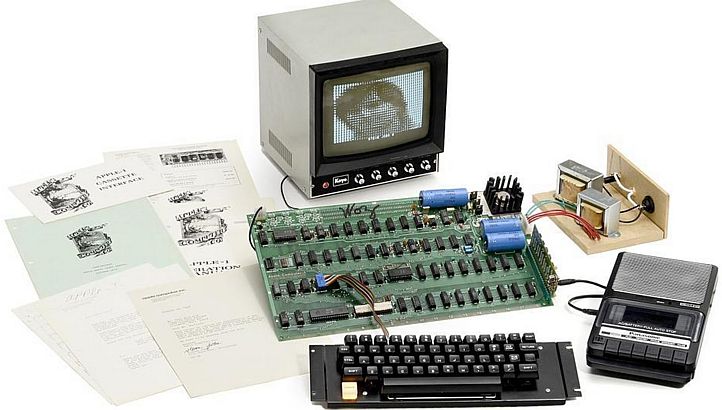
Apple-1
The Apple-1 in all its glory!
Photo: Auction Team Breker

April 11: Today in Apple history: Apple-1 launches. It's the First Apple computer. April 11, 1976: Apple releases its first computer, the Apple-1.
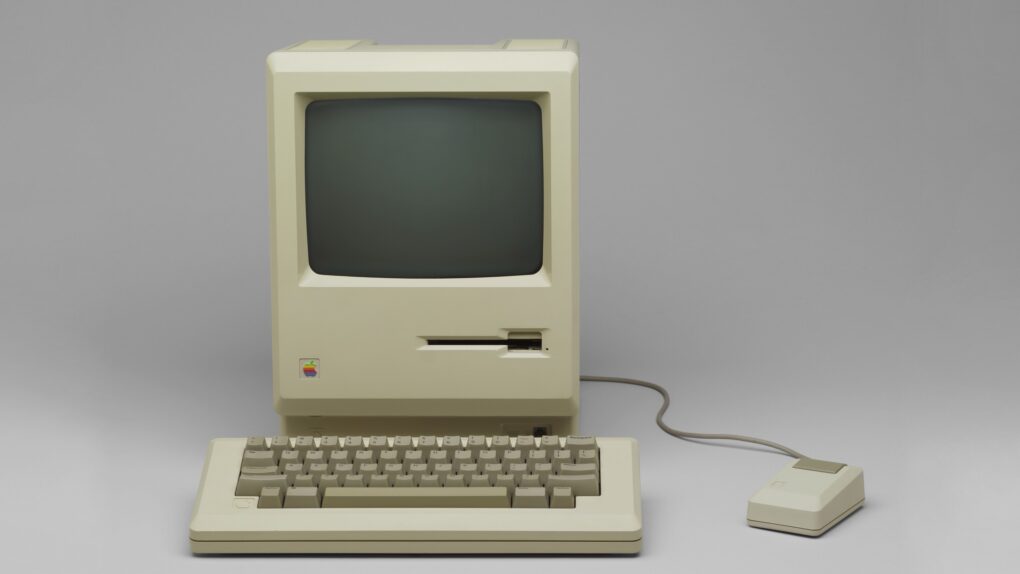
Designed and hand-built by Steve Wozniak, the computers are sold wholesale by “Steven” Jobs. To finance their manufacturing, Wozniak sells his HP-65 calculator for $500, while Jobs sells his Volkswagen van.

Today in Apple history: Steve Jobs loses control of the Mac

By

The original Macintosh with its matching keyboard and mouse on a gray background
Steve Jobs was distraught at being removed as general manager of the Mac division.
Photo: Apple

April 10: Today in Apple history: Steve Jobs loses control of the Mac April 10, 1985: During a fateful meeting, Apple CEO John Sculley threatens to resign unless the company’s board of directors removes Steve Jobs as executive VP and general manager of the Macintosh division.

Sculley’s threat triggers a series of events that ultimately will result in Jobs’ exit. The marathon board meeting — which continues for several hours the next day — leads to Jobs losing his operating role within the company. However, the Apple board allows him to stay on as chairman. Things won’t exactly play out like that.

Today in Apple history: John Sculley takes over as Apple CEO

By

Former Apple CEO John Sculley talks at Web Summit 2015 in Dublin, Ireland.
John Sculley goes from pushing Pepsi to running Apple.
Photo: Web Summit/Flickr CC

April 8: Today in Apple history: John Sculley takes over as Apple CEO April 8, 1983: John Sculley, former president of PepsiCo, takes charge as Apple’s third CEO.

Despite a total lack of experience selling tech products, Sculley was lured to Apple by Steve Jobs himself. The Apple co-founder famously pitched the Pepsi exec with the line, “Do you want to spend the rest of your life selling sugared water or do you want a chance to change the world?”

How Vision Pro launch exposed problems in Apple stores

By

Vision Pro 2 with M4 chip
The latest Vision Pro headset boosts processing power and improves comfort.
Photo: Leander Kahney/Cult of Mac

A chaotic rollout, undertrained staff and a $3,500 headset nobody could sell: a new book excerpt reveals the human cost of Apple’s retail decline through its struggles to sell Vision Pro.

Wired published a Vision Pro-focused excerpt Tuesday from Mutiny: The Rise and Revolt of the College-Educated Working Class, by Noam Scheiber. He reports on labor for The New York Times.

Today in Apple history: Future Apple CEO John Sculley is born

By

Fremont, California, 1990.
John Sculley in Fremont, California, 1990.
Photo: Doug Menuez/Fearless Genius

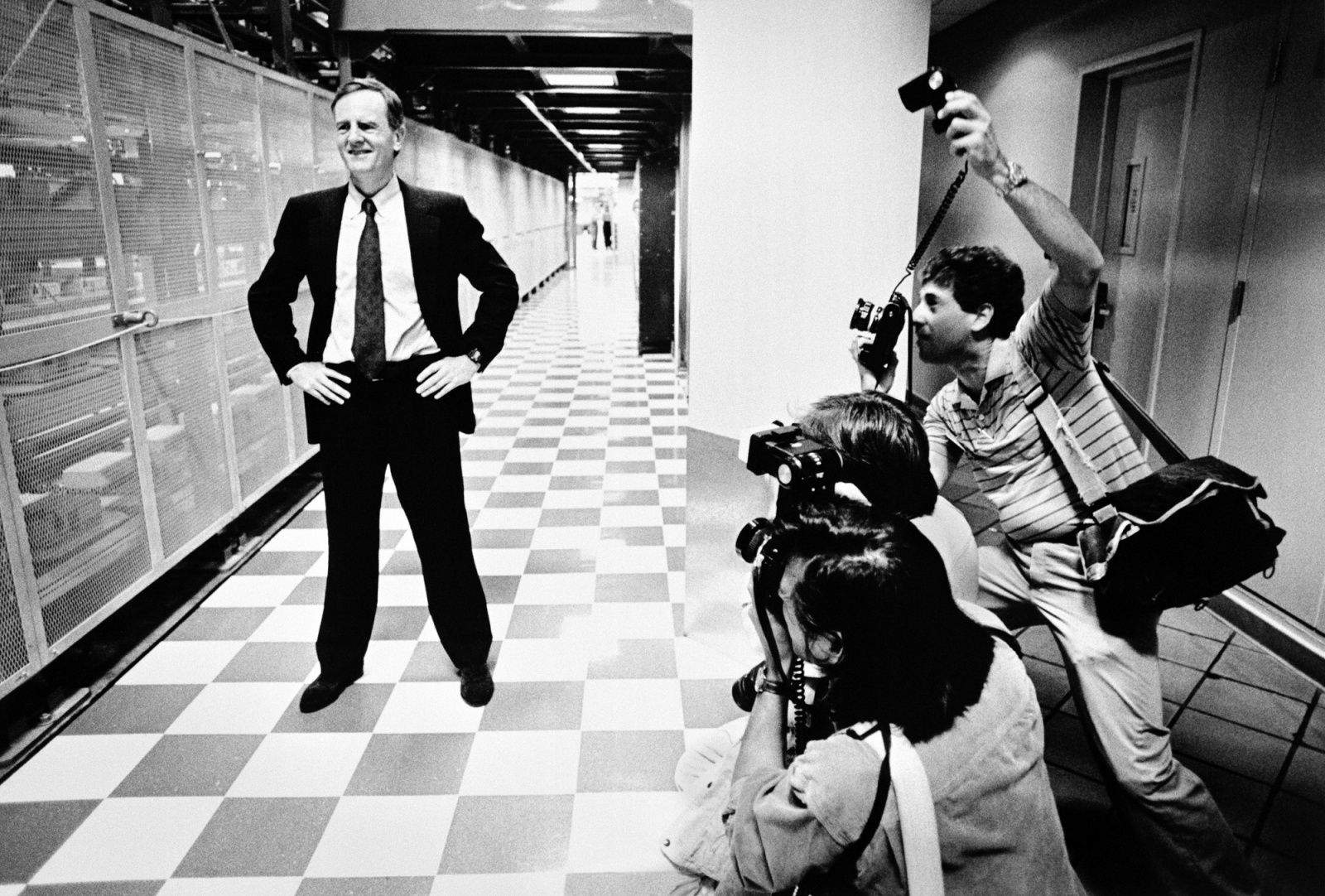
April 6: Today in Apple history: Apple CEO John Sculley born April 6, 1939: John Sculley is born in New York City. He will grow up to be hailed as a business and marketing genius, eventually overseeing Apple’s transformation into the most profitable personal computer company in the world.
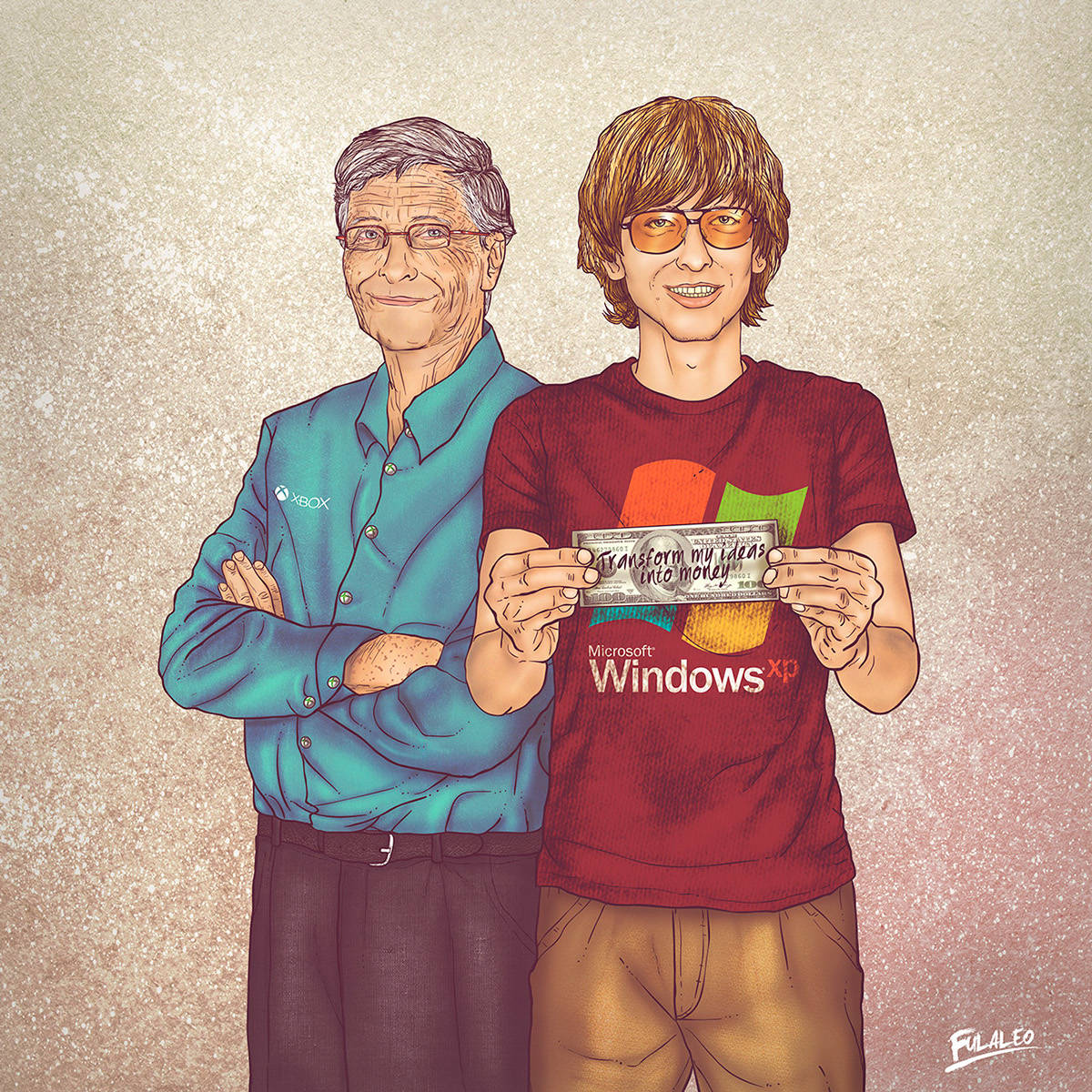
After a remarkable stint as president of Pepsi-Cola, Sculley will take over as Apple’s third CEO in 1983. He will run Apple for a 10-year period, guiding the creation of the revolutionary Newton MessagePad.

During Sculley’s decade at the helm, Apple will sell more personal computers than any other company. But most people still remember him for his role in kicking Apple co-founder Steve Jobs out of Cupertino.

Today in Apple history: Apple frenemy Microsoft is born 51 years ago

By

Bill Gates
Apple and Microsoft had a long and storied history together.
Photo: Fulvio Obregon

April 4: Today in Apple history: Microsoft founded April 4, 1975: Microsoft is founded by childhood friends Bill Gates and Paul Allen. The software company destined to become a tech behemoth — and a major Apple frenemy.
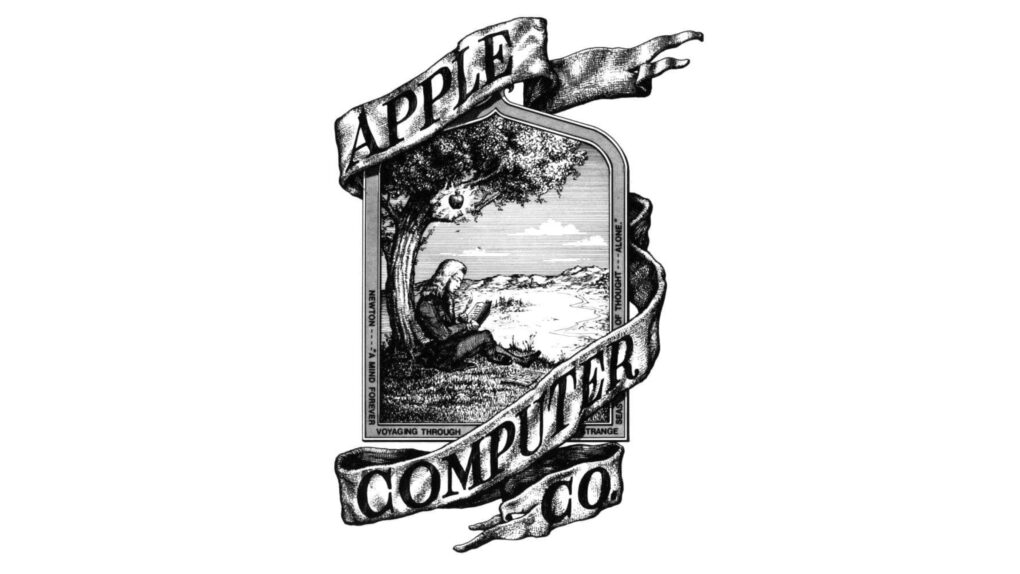
A few years later, Microsoft will break through to the mainstream with Excel and Word, becoming a key developer of Macintosh software. Then comes the Windows operating system, looking suspiciously Apple-like. After Windows arrives, Microsoft and Apple will embark upon a long-running feud.

Today in Apple history: Apple is founded by Steve Jobs, Woz and Ron Wayne

By

Apple logo at the time Apple Computer Co. was founded on April 1, 1976.
The original Apple logo, designed by Ron Wayne.
Image: Apple

April 1: Today in Apple history: Apple founded by Steve Jobs, Steve Wozniak and Ron Wayne April 1, 1976: The Apple Computer Company is founded by Steve Jobs, Steve Wozniak and Ronald Wayne. The trio sets out to sell the $666 Apple-1 computer.
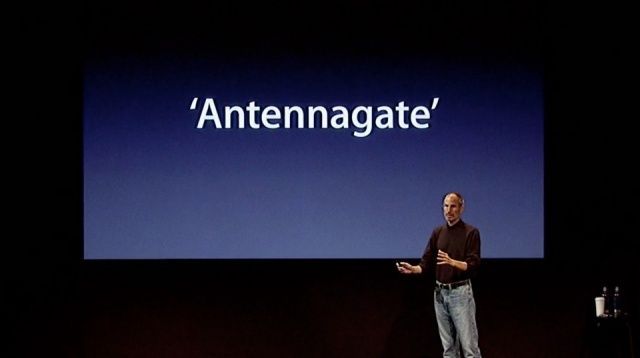
Apple will not officially become a corporation until January 3 the following year. By that time, Wayne is no longer a part of the business.

Today in Apple history: iPhone 4 owners get Antennagate payout

By

Steve Jobs stands onstage with the word
No, you weren't holding your iPhone wrong.
Photo: Apple

March 29: Today in Apple history: iPhone 4 owners get Antennagate payout March 29, 2012: A settlement ends the “Antennagate” controversy, as Apple gives affected iPhone 4 owners the chance to claim a whopping $15 payout. The settlement covers customers whose phones dropped calls due to its cutting-edge design, but were unable to return their handsets (or didn’t want a free bumper case from Apple to mitigate against the problem).
While it’s arguable whether a $15 payout was worth filing all the paperwork necessary to claim the cash, the Antennagate story — and the resulting class-action lawsuit — generated big headlines at the time.

Today in Apple history: Newton MessagePad reaches new heights

By

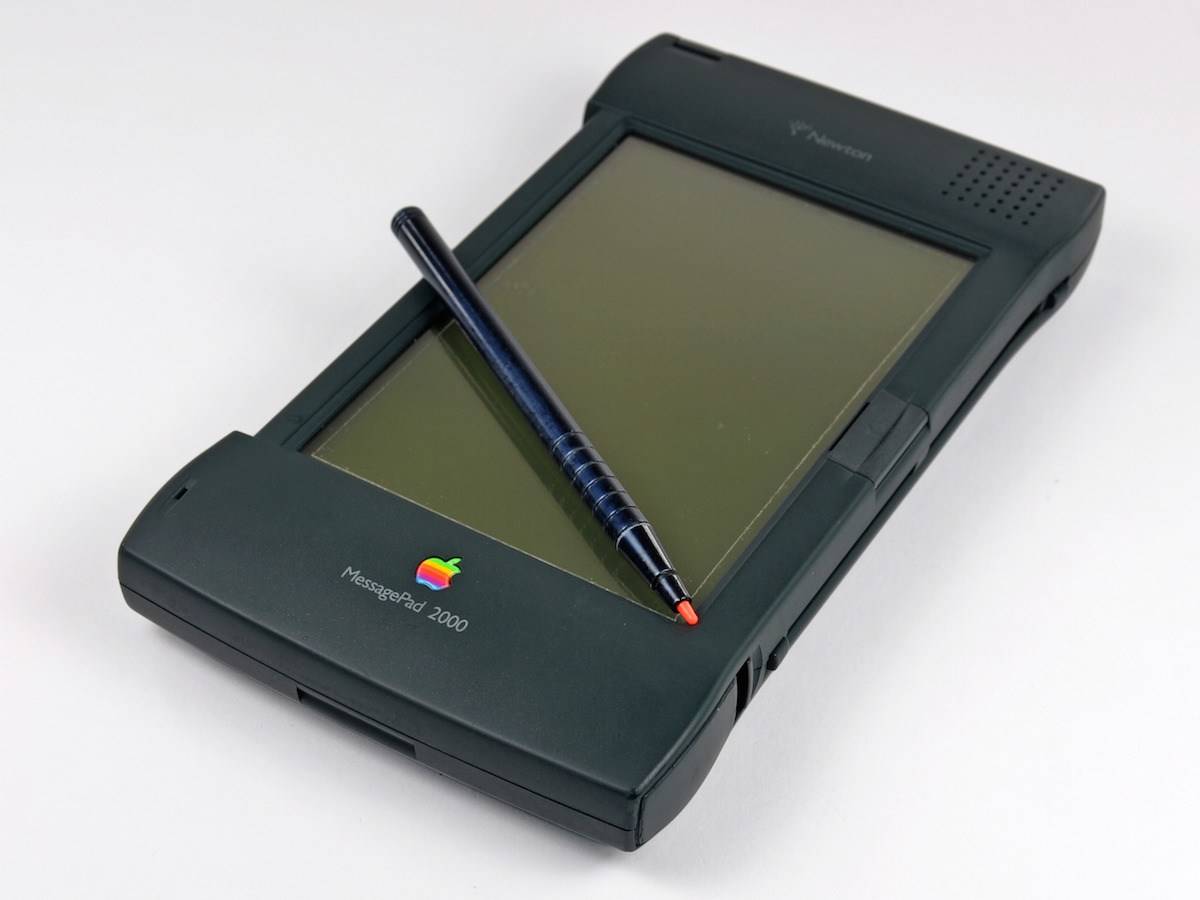
The Newton MessagePad 2000 brought many upgrades to Apple's doomed PDA line.
Photo: iFixit

March 24: Today in Apple history: Newton MessagePad 2000 takes Apple PDA to new heights March 24, 1997: The Newton MessagePad 2000 brings major upgrades to Apple’s PDA line, including a far better display and a much faster processor.

The best MessagePad yet by a wide margin, it quickly becomes a critical and commercial success. But it won’t be enough to save the doomed product line.

Newly surfaced 1999 Steve Jobs video describes Apple comeback strategy

By

1999 Steve Jobs speech
Steve Jobs gives a speech to Apple employees in 1999.
Photo: Akira Nonaka

A newly uncovered video from July 1999 captures Steve Jobs speaking candidly to Apple employees just days after the launch of the wildly successful iBook G3. It offers an unfiltered window into the mind of a CEO who had just pulled a company back from the brink.

Today in Apple history: Apple TV makes its big-screen debut

By

20140902_apple-tv_0061-780x520
Apple TV did not become an instant smash hit.
Photo: Jim Merithew/Cult of Mac

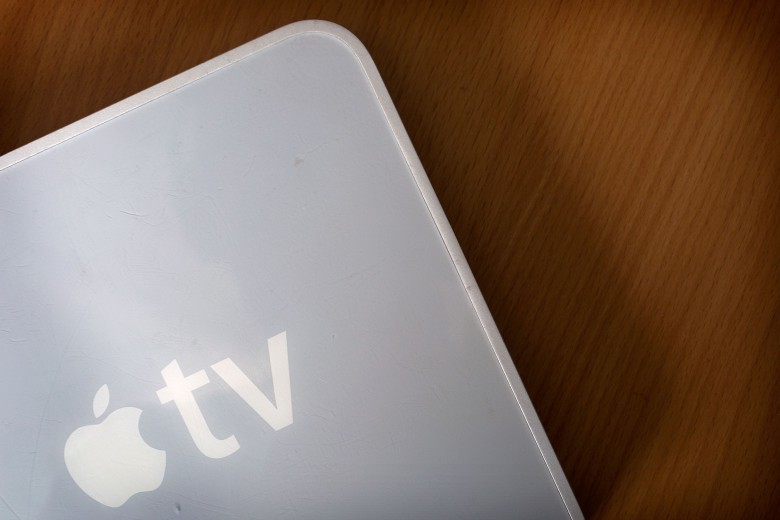
March 21: Today in Apple history: Apple launches the Apple TV March 21, 2007: Apple launches the Apple TV, a gleaming-white set-top box with a remote control, for bringing iTunes media to the living room.
Unfortunately, the device lacks key features needed to make it a killer entertainment system. It’s something of a missed opportunity for Apple.

Today in Apple history: Steve Jobs gets hitched

By

Steve_Jobs_2007
Steve Jobs and Laurene Powell-Jobs remained married for the rest of the Apple co-founder's life.
Photo: Ben Stanfield/Flickr CC

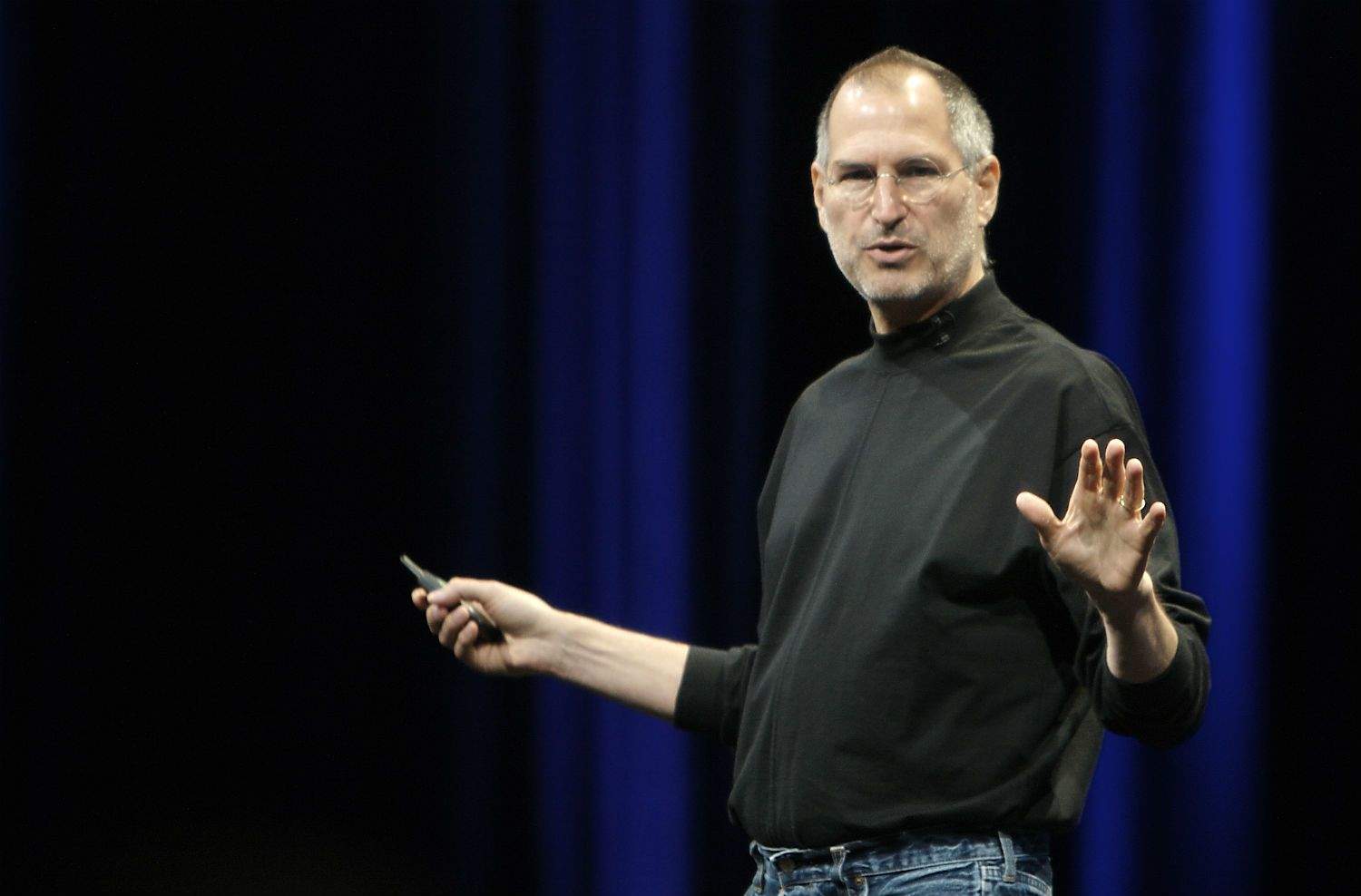
March 18: Today in Apple history: Steve Jobs marries Laurene Powell March 18, 1991: Steve Jobs marries 27-year-old Laurene Powell less than two years after a chance meeting.
The couple’s friends and family attend the wedding, which takes place at Ahwahnee Hotel in Yosemite National Park in central California.

Today in Apple history: iTunes tops 50 million songs downloaded

By

itunes
That's worth a quick dance!
Photo: Apple

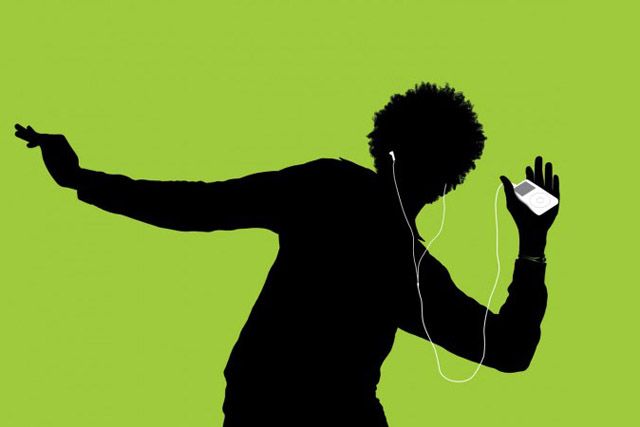
March 15: Today in Apple history: iTunes tops 50 million songs downloaded March 15, 2004: The iTunes Music Store hits a crucial milestone, having sold an astonishing 50 million songs in less than a year. The achievement cements Apple’s place at the center of the rapidly changing music business — at least for the moment.
Crossing 50 million songs is a major milestone for iTunes and the emerging digital music era,” Apple CEO Steve Jobs says in a statement. “With over 50 million songs already downloaded and an additional 2.5 million songs being downloaded every week, it’s increasingly difficult to imagine others ever catching up with iTunes.”

Today in Apple history: Apple reconsiders the Newton?

By

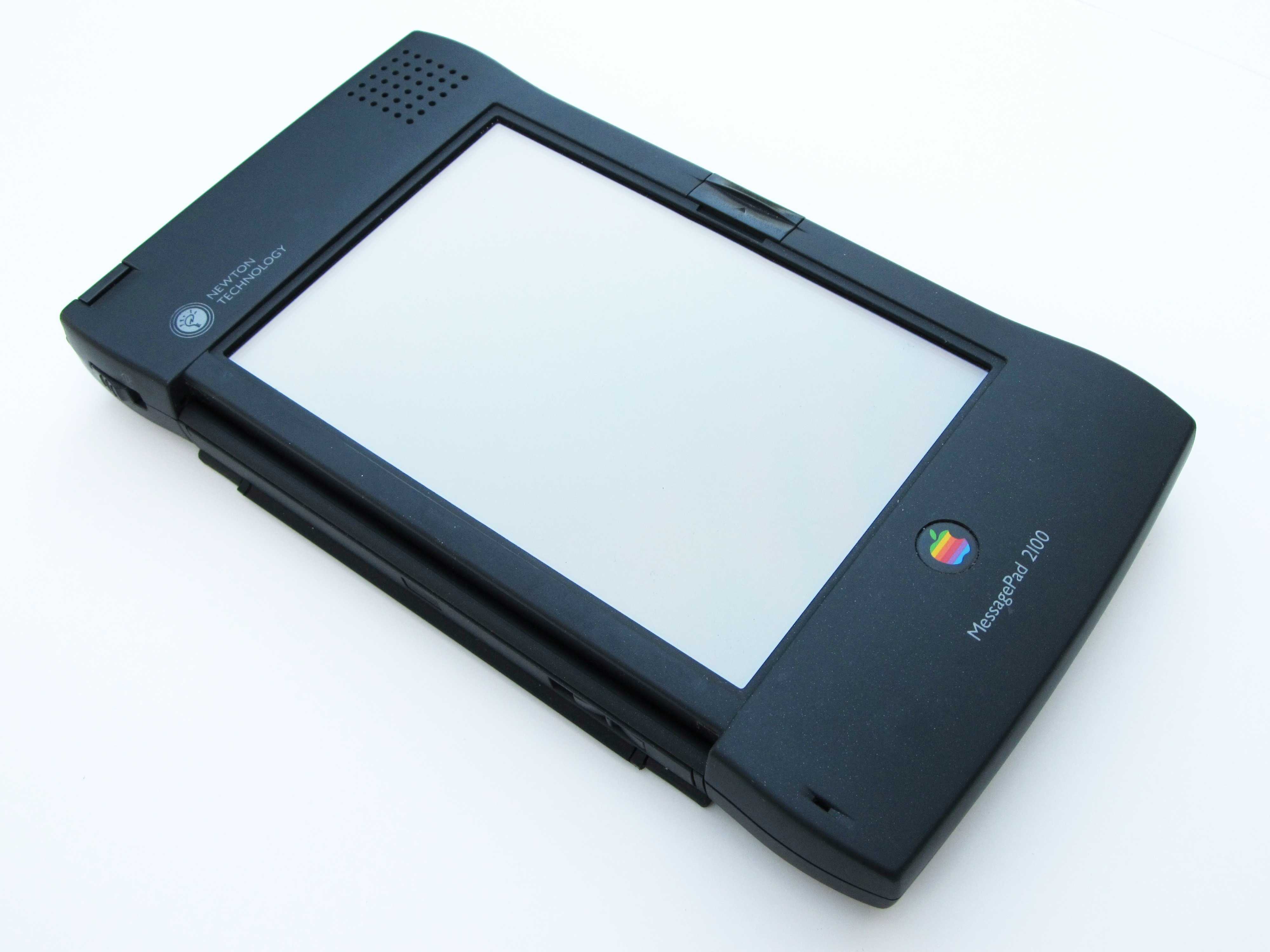
The Newton MessagePad 2100 was the last hurrah for Apple's Newton line.
In retrospect, Apple's Newton MessagePad survey seems like stealth iPhone research.
Photo: Moparx

March 10: Today in Apple history: Apple reconsiders the Newton MessagePad? March 10, 2004: Apple sends out a survey to select Apple customers, claiming that it is considering relaunching the Newton MessagePad.
“We need to determine why the Apple Newton was not a commercial success and whether there is an interest in re-launching a new version of the Newton,” Apple’s survey says. “Your comments will help understand why the Newton failed and if there is interest in re-launching a new, improved Newton.”

In hindsight, it seems pretty clear that Apple’s apparent interest in launching another personal data assistant served as cover for stealth market research for the still-in-development iPhone.

Today in Apple history: Devs get the key to unlock iPhone’s awesome power

By

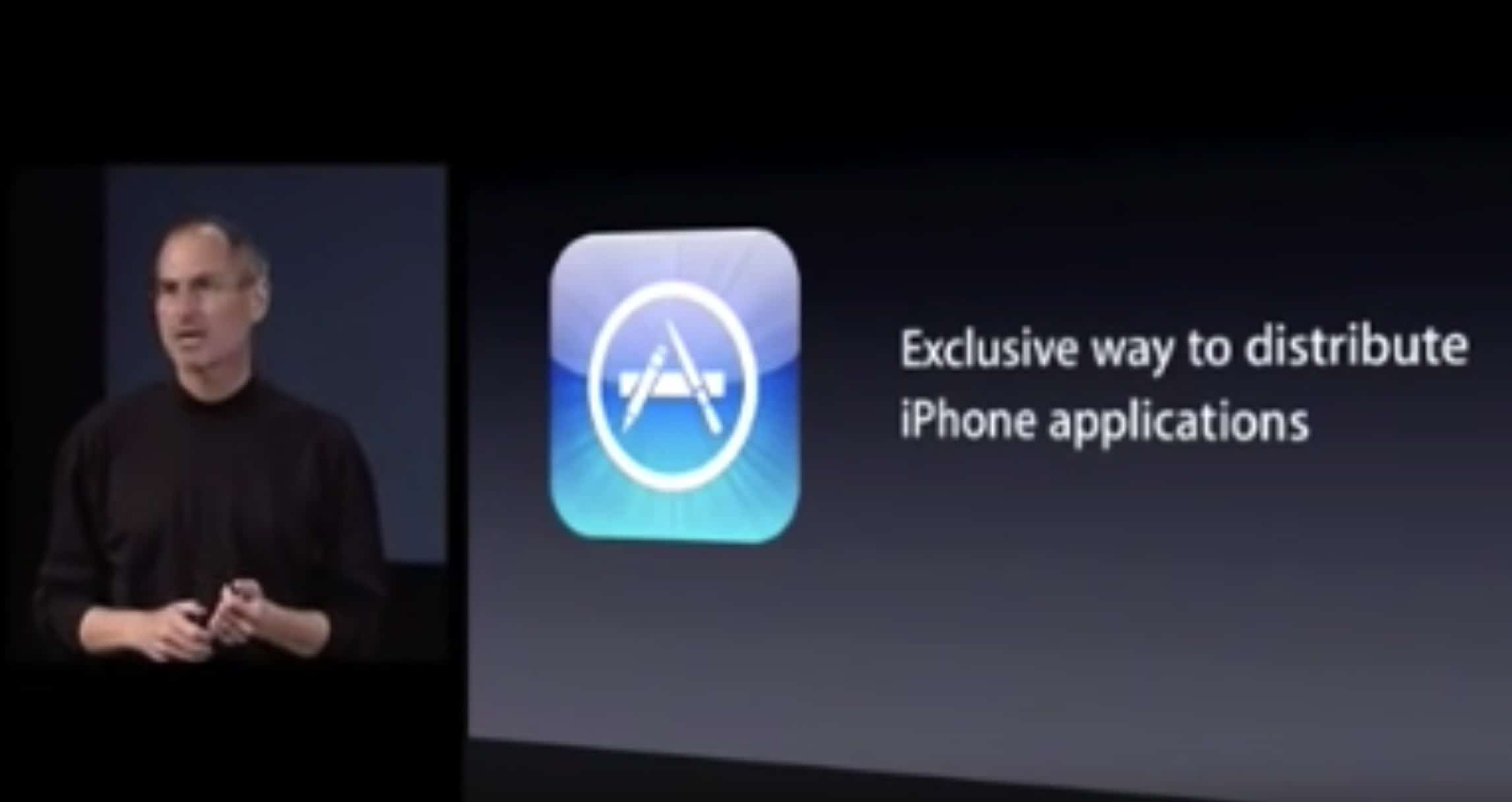
The iPhone SDK paved the way for iPhone apps and the App Store.
The iPhone SDK plants the seeds for the App Store's stunning success.
Photo: Apple

March 6: Today in Apple history: Devs get the key to unlock iPhone's awesome power March 6, 2008: Apple releases the iPhone software development kit, finally allowing coders to start creating native mobile apps for the new smartphone. The iPhone SDK gives developers the tools they need to unlock the new smartphone’s potential.
When the App Store eventually opens a few months later, a new industry springs up overnight. Third-party devs rush to take advantage of Apple’s lucrative app distribution network.

Today in Apple history: Homebrew Computer Club meets for first time

By

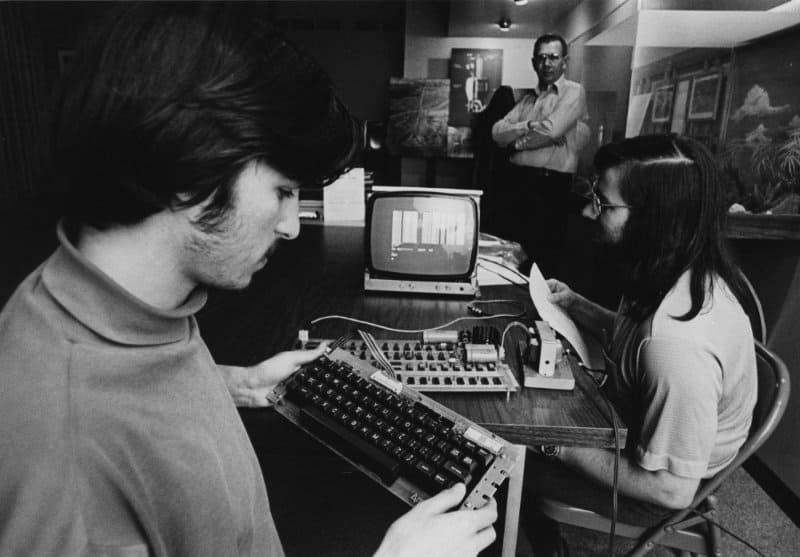
Steve Jobs and Steve Wozniak make important connections at the Homebrew Computer Club.
Steve Jobs and Steve Wozniak learned valuable lessons at Homebrew.
Photo: Apple

March 3: Today in Apple history: Homebrew Computer Club meets for first time March 3, 1975: The Homebrew Computer Club, a hobbyist group that will help spark the personal computing revolution, holds its first meeting in Menlo Park, California.
It becomes a welcome forum for computer geeks at a time when few others care about the nascent technology. Regular attendee Steve Wozniak and his friend Steve Jobs will eventually show off the first Apple-1 computer at the club.

Today in Apple history: Happy birthday, Steve Jobs!

By

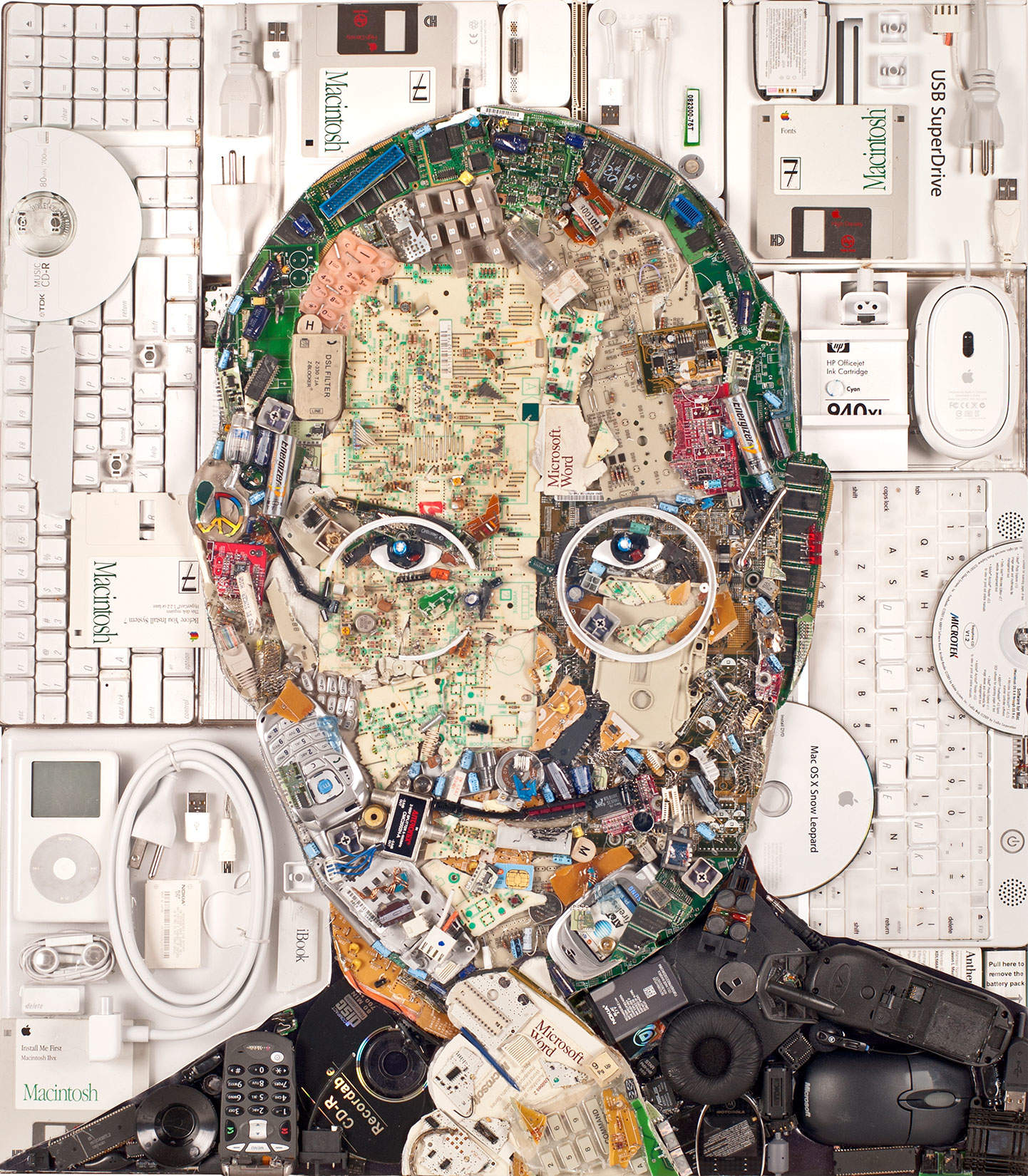
Steve Jobs-inspired art
Steve Jobs was born on this day in 1955.
Photo: Jason Mercier

February 24: Today in Apple history: Steve Jobs birthday February 24, 1955: Steve Jobs is born in San Francisco. He will go on to co-found Apple and become one of the most important figures in the history of consumer technology. He’s also probably a big part of why you’re reading this website right now.
Happy birthday, Steve! Let’s take a moment to reflect on your innovation, artistry and overall brilliance.

Today in Apple history: Hippie-themed iMacs fuel Cupertino flashback

By

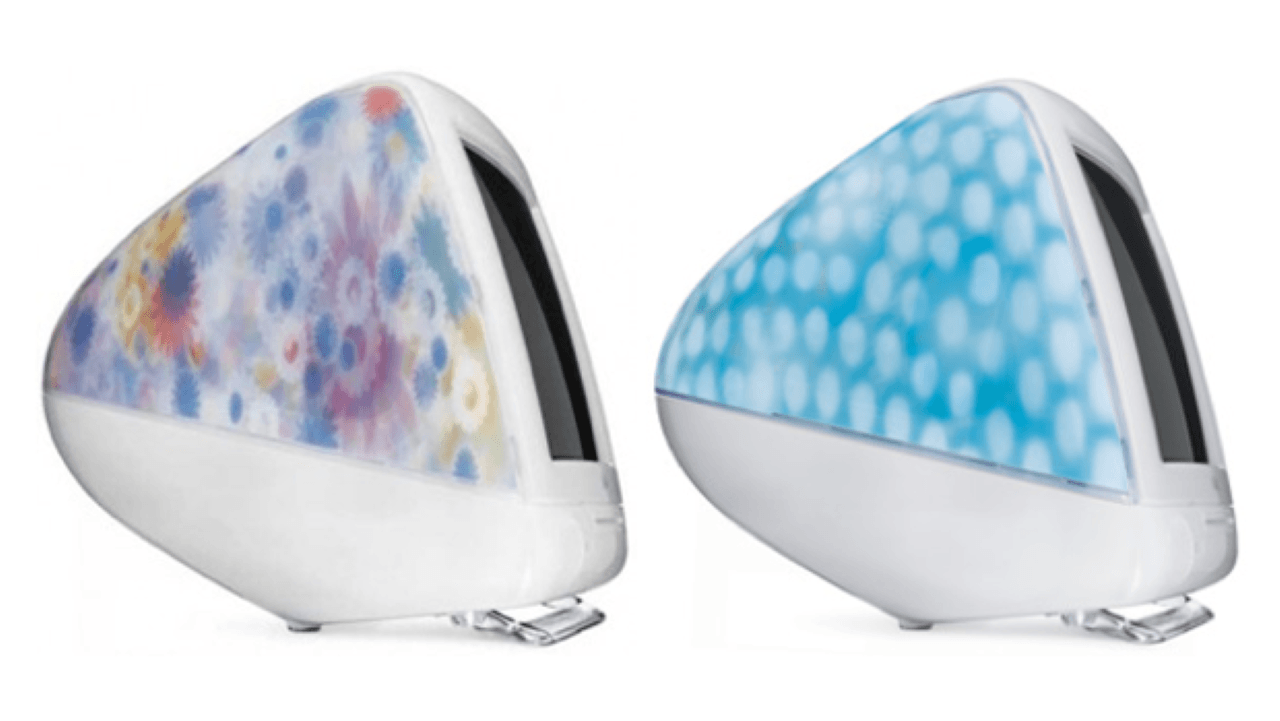
A photo of the Flower Power iMac G3 and Blue Dalmatian iMac G3, two of the wackier Macs in history.
These were two of the wackier Macs ever.
Photo: Apple

February 22: Today in Apple history: Hippie-themed Flower Power and Blue Dalmatian iMacs fuel Cupertino flashback February 22, 2001: The iMac Special Edition, sporting wild designs that would make a hippie happy, puts a wacky face on the colorful computer that saved Apple’s bacon at the turn of the century. The Flower Power iMac and Blue Dalmatian iMac evoke tie-dye shirts and other unconventional ’60s-era imagery.
A far cry from the super-serious, aluminum-heavy industrial design that will come to define Apple in subsequent years, these colorfully patterned iMacs stand out as some of the most irreverent computers Cupertino ever dreamed up. (C’mon, when was a real Dalmatian blue?)

Under the crazy-looking exteriors, a pretty darn great iMac G3 hums along.

Today in Apple history: Apple and Cisco settle over ‘iPhone’ name

By

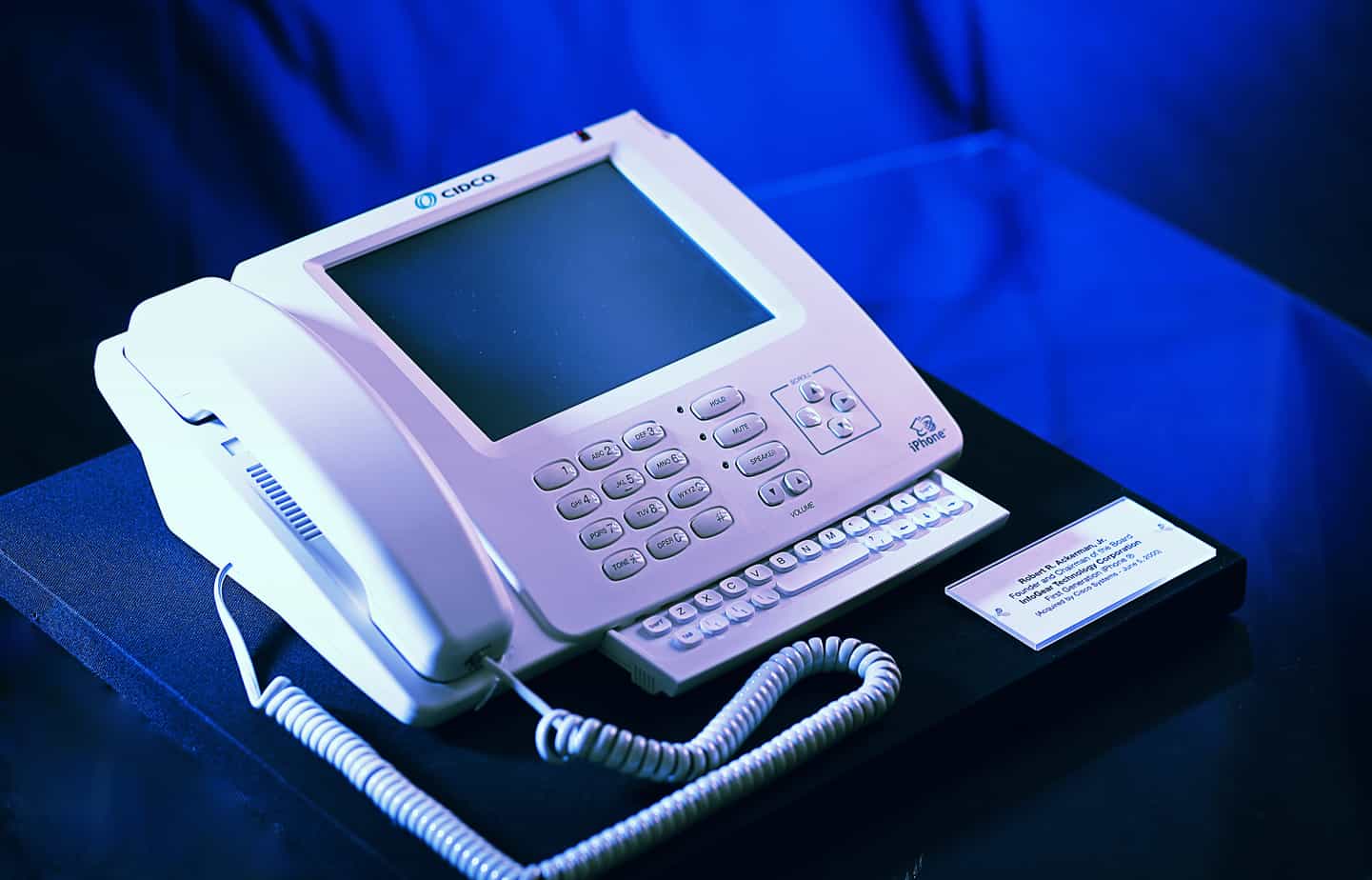
The InfoGear iPhone was definitely a bit ... different from current models.
The first iPhone was definitely a bit ... different from current models.
Photo: Bob Ackerman/Wikipedia CC

February 21: Today in Apple history: Apple and Cisco settle over 'iPhone' name February 21, 2007: Apple comes to an agreement with Cisco over the iPhone trademark, which Cisco legally owns but Apple wants to use.
Under the agreement, both companies get to use the iPhone trademark on products throughout the world. The two businesses also dismiss outstanding lawsuits against one another, and agree to “explore opportunities for interoperability in the areas of security, and consumer and enterprise communications.”

It’s a classic bit of Apple CEO Steve Jobs steamrolling the opposition.

Today in Apple history: Steve Jobs says Apple is finally debt-free

By

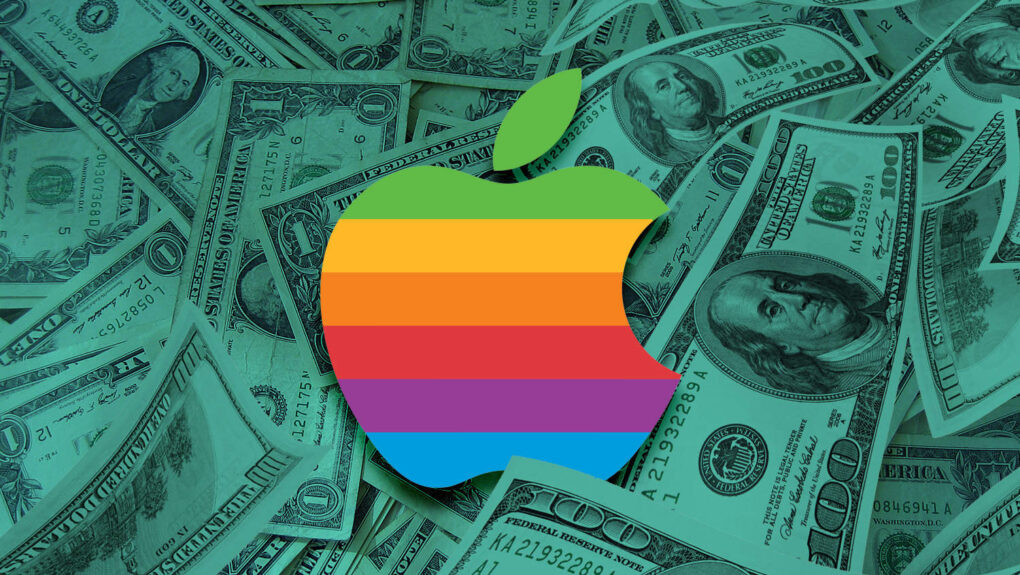
Image of the old Apple Inc. rainbow logo atop American cash money.
This marked a significant moment in Apple's turnaround.
Photo: Ste Smith/Cult of Mac

February 18: Today in Apple history: Steve Jobs says Apple is finally debt-free February 18, 2004: Apple CEO Steve Jobs sends an internal memo to employees revealing that the company is, for the first time in years, totally debt-free.

“Today is a historic day of sorts for our company,” he writes. It’s a big turnaround from the bad old days of the 1990s, when Apple carried more than $1 billion in debt — and faced the danger of bankruptcy.

Today in Apple history: A young Steve Jobs appears on Time cover

By

With Steve Jobs first Time magazine cover, he becomes the face of the 1980s tech boom.
Steve Jobs becomes the face of the 1980s tech boom.
Photo illustration: Ste Smith/Cult of Mac

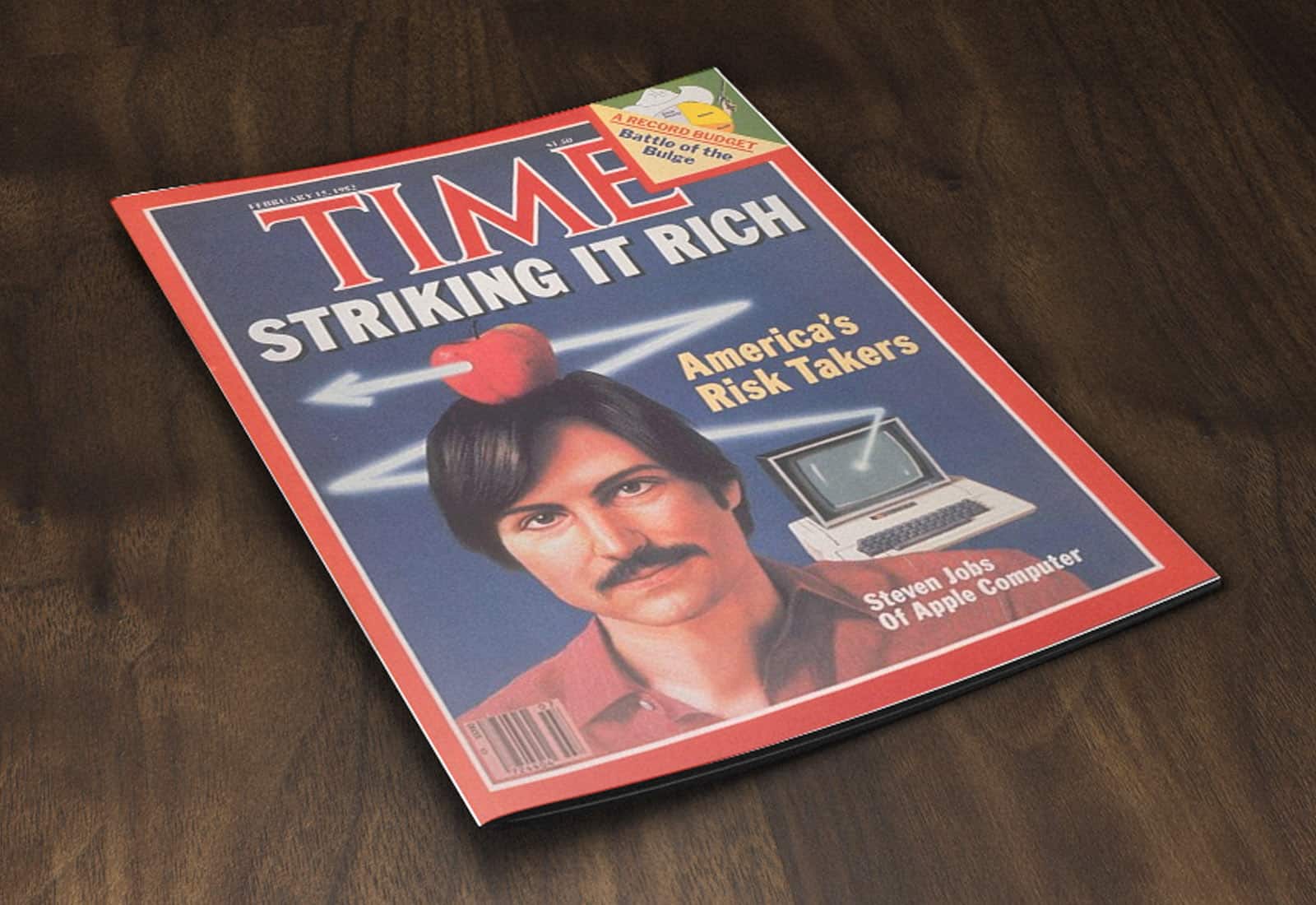
February 15: Today in Apple history: Young Steve Jobs appears on Time magazine cover February 15, 1982: Apple co-founder Steve Jobs appears on the front cover of Time magazine for the first time. The lengthy cover story makes Jobs the public face of successful tech entrepreneurship.

The first of many Time covers for Jobs, the article — titled “Striking It Rich: America’s Risk Takers” — casts him as the prototypical young upstart benefiting from the burgeoning personal computing revolution. It also identifies him as part of a surge of freshly minted millionaires running their own businesses.

Today in Apple history: Steve Jobs wins posthumous Grammy

By

Photo of Eddy Cue accepting Steve Jobs' posthumous Grammy Award.
Steve Jobs' death caused an outpouring of support.
Photo: Grammys

February 12: Today in Apple history February 12, 2012: Months after his untimely death, Apple co-founder Steve Jobs is honored with a Special Merit Grammy Award in recognition of his contributions to the field of music with the iPod and iTunes Music Store.
Eddy Cue, Apple’s senior vice president of internet software and services, collects the Grammy on behalf of Jobs’ family and “everyone at Apple.”

Today in Apple history: Steve Jobs’ NeXT quits making computers

By

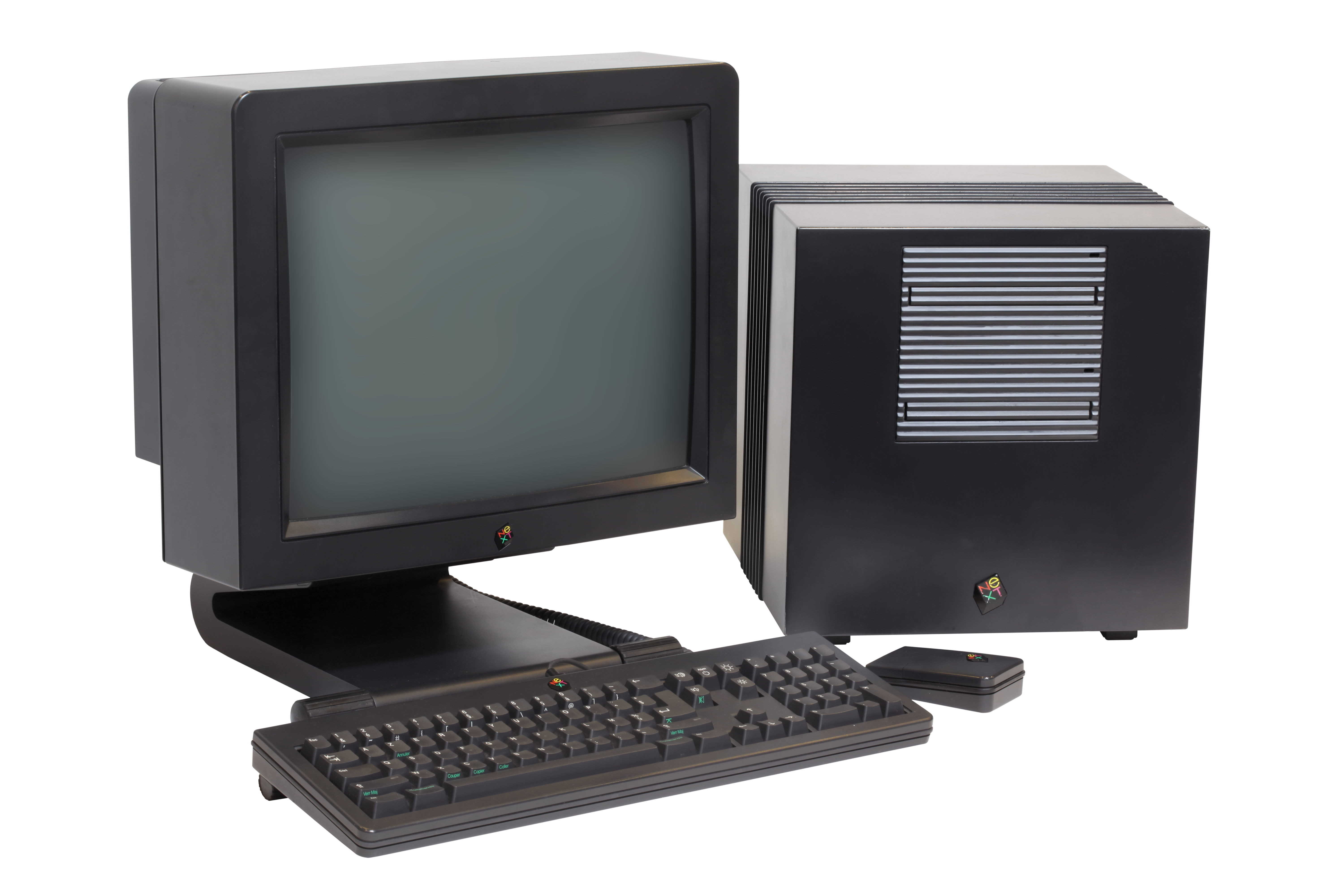
Photo of the NeXT Cube computer manufactured by NeXT Inc.
The NeXT Computer was great but it didn't sell.
Photo: Rama & Musée Bolo/Wikipedia CC

February 9: Today in Apple history: Steve Jobs' NeXT quits making computers February 9, 1993: NeXT Inc., the company Steve Jobs founded after being pushed out of Apple, quits making computers. The company changes its name to NeXT Software and focuses its efforts entirely on producing code for other platforms.
In a mass layoff, 330 of NeXT’s 500 employees lose their jobs in an event known internally as “Black Tuesday.” Cruelly, many people hear of their fate on the radio.

Today in Apple history: Steve Jobs flips out over iPad tweet

By

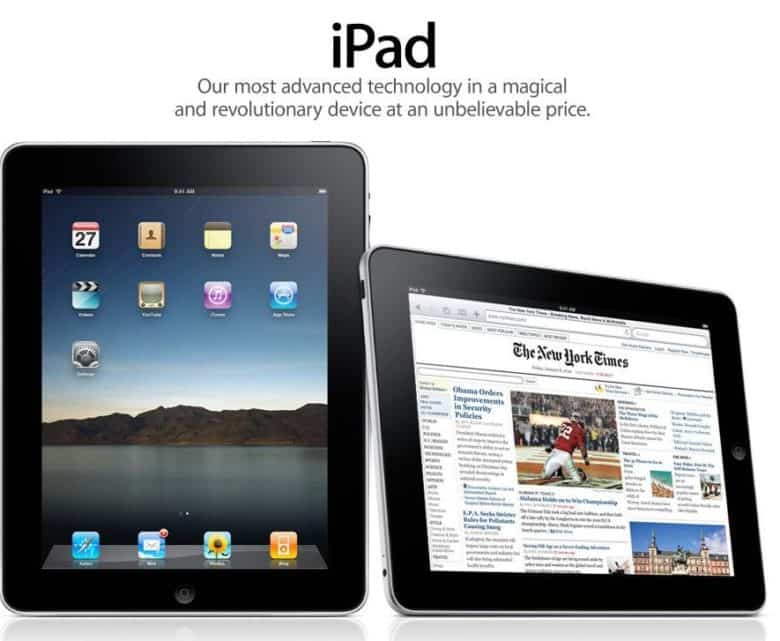
The first-gen iPad in all its glory.
Steve Jobs did not like losing control of the iPad narrative.
Photo: Apple

February 8: Today in Apple history: Steve Jobs flips out over iPad tweet February 8, 2010: Apple CEO Steve Jobs reportedly flips out over a tweet sent from an iPad by an editor at The Wall Street Journal.

The reason? Apple showed the iPad to top staffers at the news outlet months ahead of its official release. While Jobs already unveiled the device to the public a couple of weeks before, the suggestion that people outside Apple gained early access to the tablet apparently upset him.

The iPad tweet quickly disappears.