 October 1, 2011: Just days before Apple plans to unveil the iPhone 4s, the device’s name leaks after the latest iTunes beta inadvertently spills the beans.
The code also reveals that Apple’s new handset will come in black and white color options.
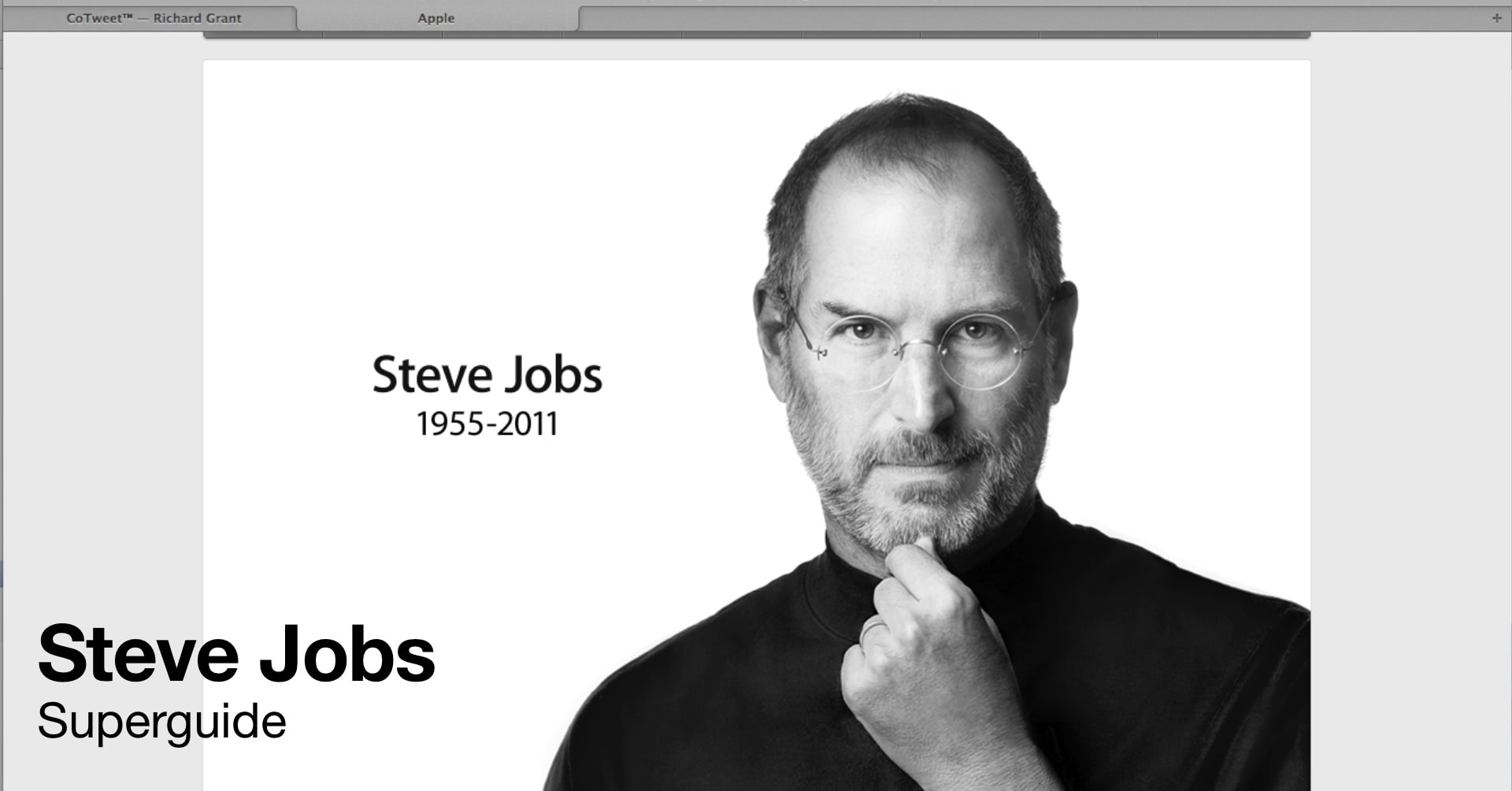
Steve Jobs was a visionary tech entrepreneur who co-founded Apple and revolutionized the consumer electronics industry with a series of hit products including the iMac and the iPhone. With a keen understanding of what made a product easy for consumers to use, played a pivotal role in transforming several industries through his innovative work in technology and design.
Born in San Francisco on February 24, 1955, Jobs co-founded Apple Computer Inc. in 1976 with Steve Wozniak and Ron Wayne. The company’s early success came with the launch of the Apple-1 and Apple II computers, which were among the first successful personal computers. In 1984, Apple introduced the Macintosh, notable for its user-friendly graphical user interface, which set new standards in computing.
However, after a power struggle with Apple’s board, Jobs left the company in 1985. He went on to found NeXT Inc., which developed high-end workstations and software, although it struggled commercially. In 1986, Jobs acquired a major stake in Lucasfilm’s Graphics Group, which later became Pixar Animation Studios. Pixar’s success, starting with the release of Toy Story in 1995, made it a major player in animation before its acquisition by Disney in 2006.
Steve Jobs returned to Apple in 1997 when Apple acquired NeXT. His return marked the beginning of a new era for the company. Under his leadership, Apple introduced several revolutionary products.
Throughout his wildly successful career, Steve Jobs was known for his intense focus on product design and user experience. He worked hand-in-hand with Jony Ive, Apple’s design chief at the time, to make Apple one of the most valuable and influential technology companies in the world.
In August 2011, due to pancreatic cancer and related health problems, Jobs resigned from his role as Apple’s CEO. He died at age 56 on October 5, 2011, leaving behind a profound legacy of innovation and creativity that continues to shape technology and consumer electronics.
For more information, read Inside Steve’s Brain by Cult of Mac founder Leander Kahney, or Steve Jobs, a biography by Walter Isaacson.
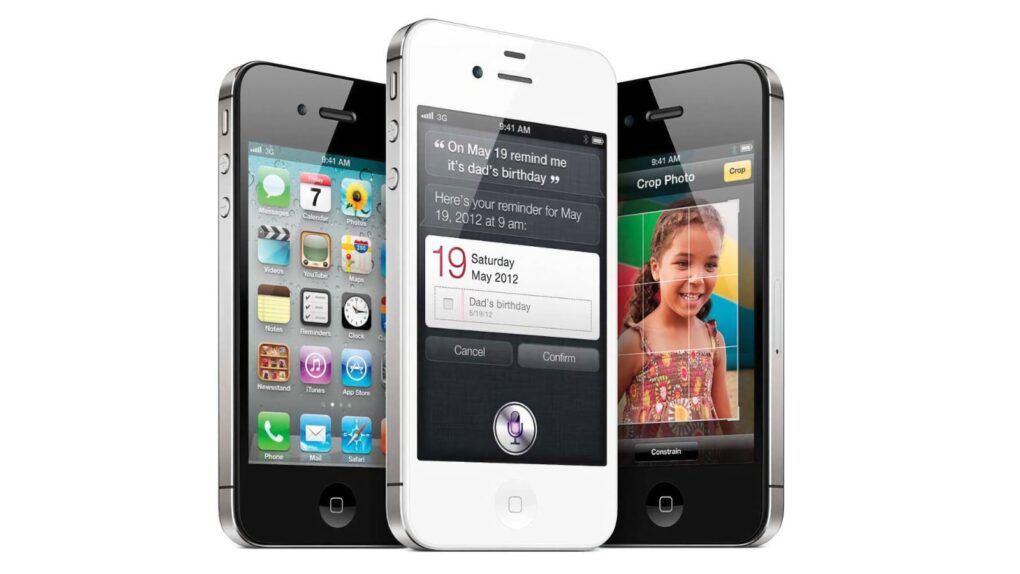
October 1, 2011: Just days before Apple plans to unveil the iPhone 4s, the device’s name leaks after the latest iTunes beta inadvertently spills the beans.
The code also reveals that Apple’s new handset will come in black and white color options.

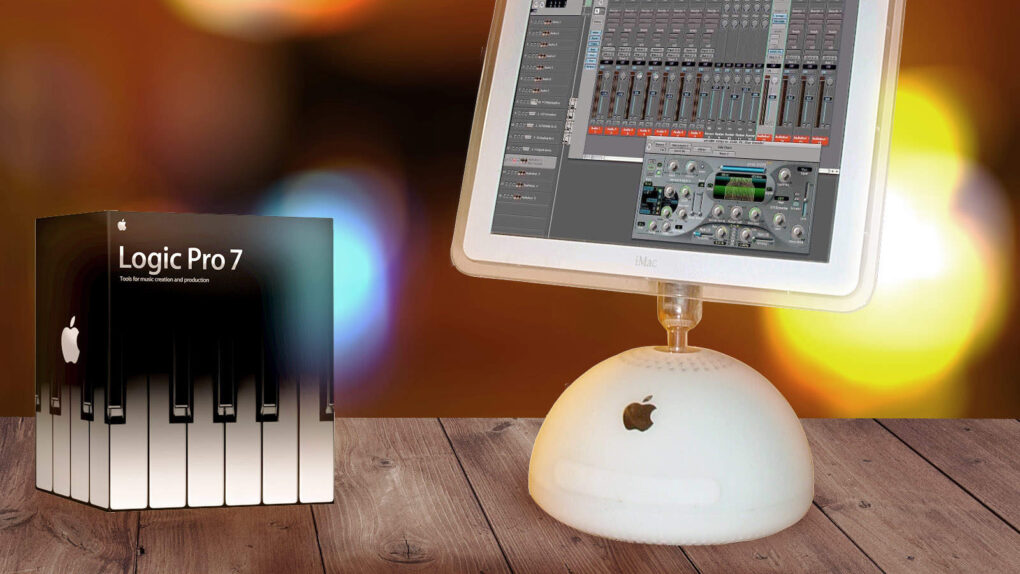
 September 29, 2004: Apple launches Logic Pro 7, its professional music creation and audio production software. The update brings new tools and a streamlined interface similar to other Apple software.
“From beginners to pros, Apple is broadening the market with a complete line of music creation and production tools,” says Rob Schoeben, Apple’s VP of applications marketing, in a press release. “With Logic Pro 7, we’re taking professional music creation to the next level with the industry’s most advanced feature set for pro audio.”
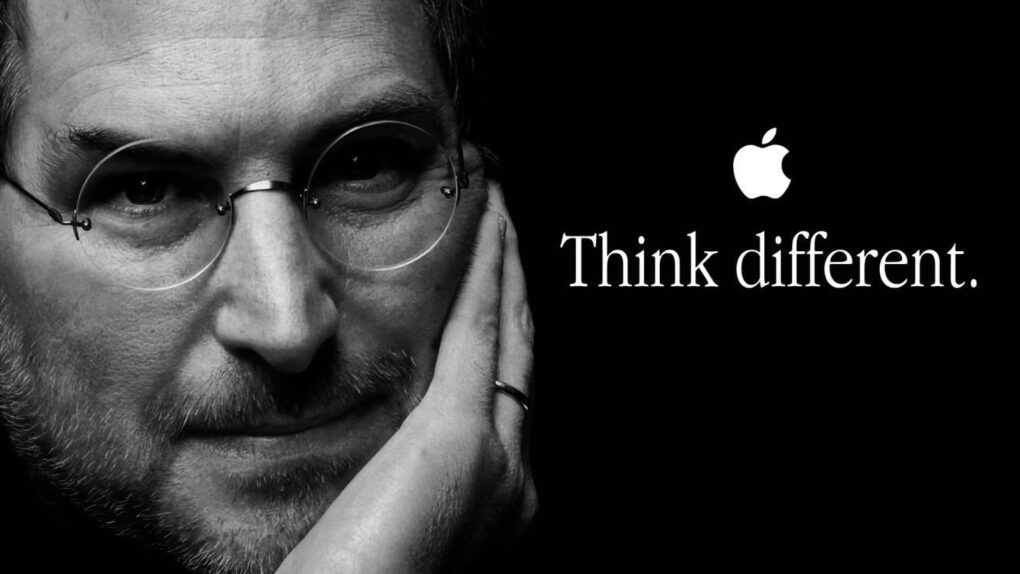
 September 28, 1997: Apple debuts its iconic “Think Different” ad campaign. The brilliant television commercial aligns the troubled computer company with some of history’s most celebrated freethinking rebels.
The most famous tagline in Apple history, “Think Different” doesn’t just articulate how Cupertino differs from its competitors. It also highlights how Apple, under the leadership of CEO Steve Jobs, will forge a future far different from its floundering, money-losing days of the early 1990s.
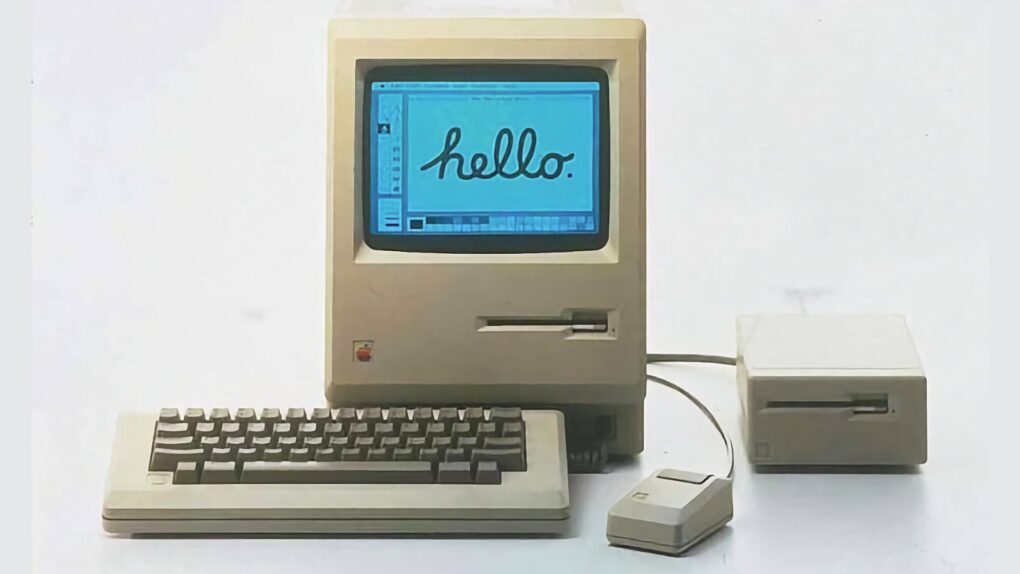
 September 27, 1979: Years before the first Macintosh will ship, Steve Jobs and Jef Raskin clash for the first time over the direction of the R&D project to produce Apple’s revolutionary computer.
Raskin, the founder of the Macintosh project, envisioned an affordable machine that could put graphical computing within reach of ordinary people. Apple co-founder Jobs had a very different idea: Forget the price tag and build the best computer possible.
Guess who won?
 September 26, 1997: In one of his first tasks after returning to Apple as interim CEO, Steve Jobs reveals the company’s massive quarterly loss of $161 million. It’s Apple’s biggest loss ever.
Giving investors the bad news is miserable, but things are about to change dramatically for Cupertino.
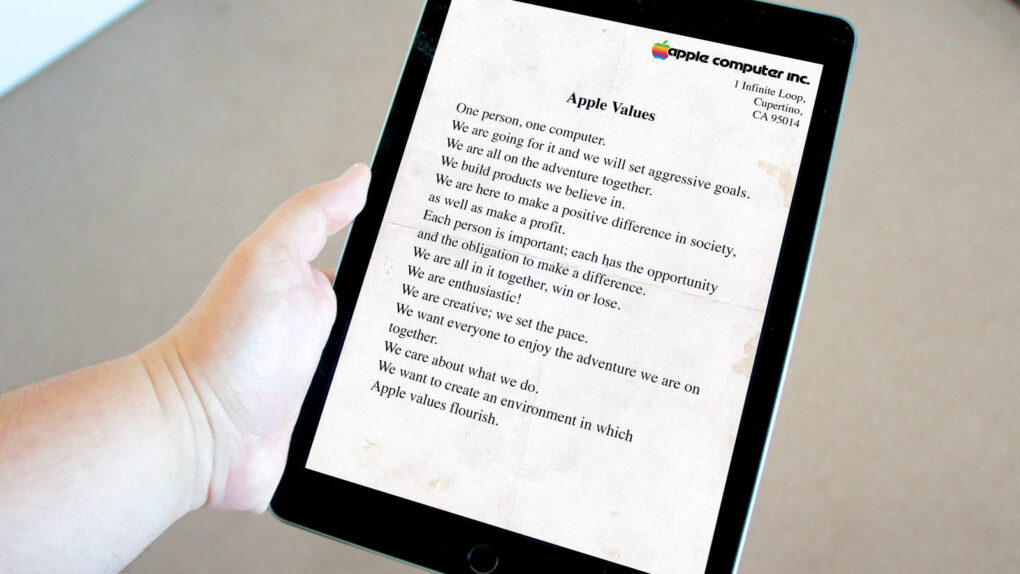
 September 23, 1981: Cupertino lays out its vision for success in “Apple Values,” a mission statement that will guide the company for years.
In the memo, management defines Apple Values as “the qualities, customs, standards and principles that the company as a whole regards as desirable. They are the basis for what we do and how we do it. Taken together, they identify Apple as a unique company.”
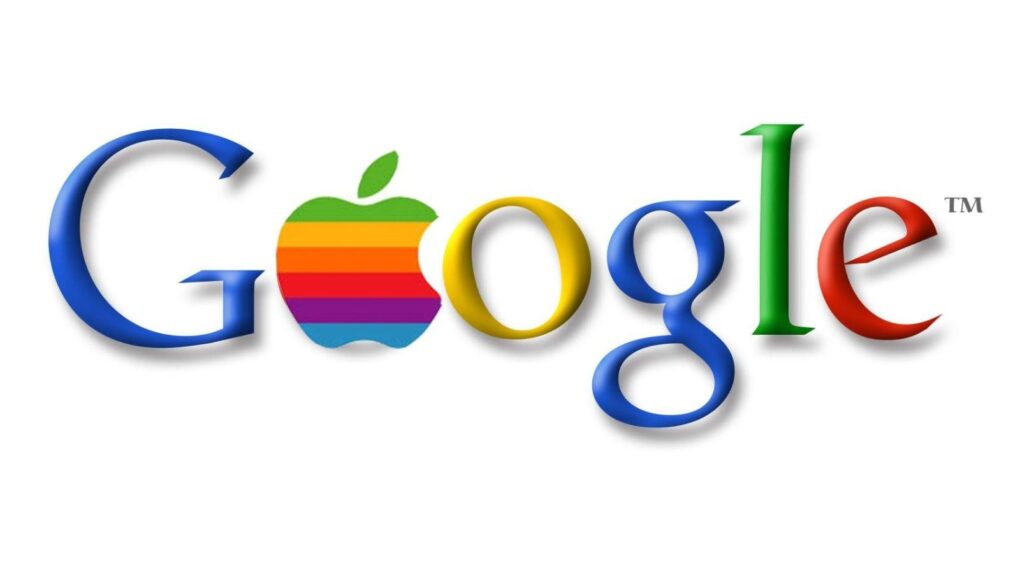
 September 21, 1999: A little startup called Google comes out of beta, with the launch of a website that will let the general public easily search the internet for information.
To Apple, which is embracing the internet with its colorful new iMac desktop computer and iBook laptop, Google seems like the perfect ally. Sadly, the relationship between the two companies won’t remain rosy for long.
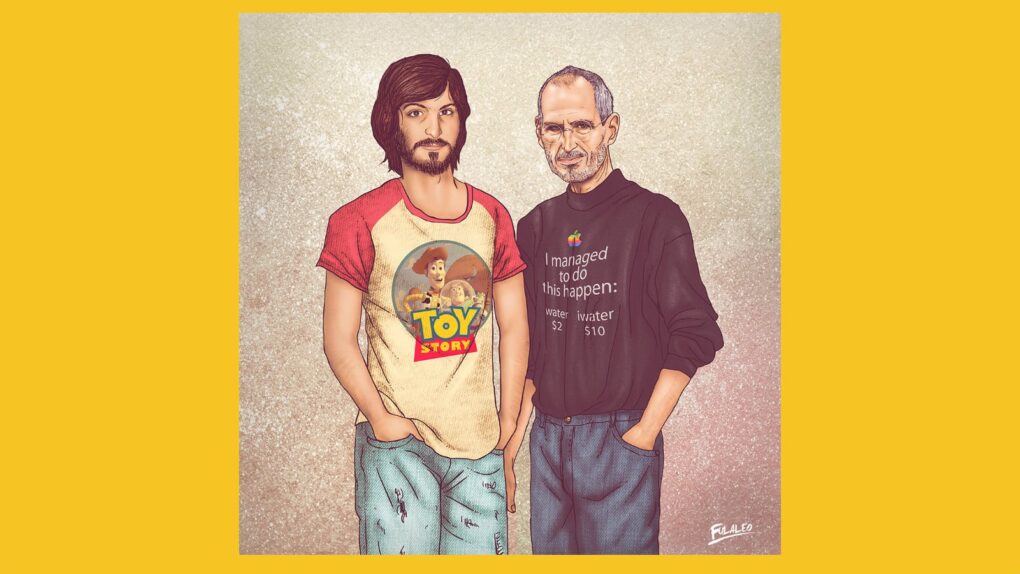
 September 16, 1985 and 1997: Twice on this day, Apple co-founder Steve Jobs makes significant moves with regard to his career at the company. In 1985, he leaves Apple after a failed boardroom coup. Then, a little more than a decade later, he officially returns to Apple as its new interim CEO.
In terms of the emotions associated with those historic occasions, it’s hard to think of two more polarizing days in Jobs’ life.

 September 14, 2010: Security workers reportedly stop Apple CEO Steve Jobs at Japan’s Kansai International Airport. The reason? Jobs supposedly tried to bring ninja throwing stars onto his private plane while heading home from vacation. The “Steve Jobs ninja stars” story quickly becomes one of the most bizarre Apple stories ever.
The company, however, quickly spoils the internet’s fun. Cupertino issues a statement describing the reports as “pure fiction” (although Apple acknowledges that Jobs visited Japan over the summer).
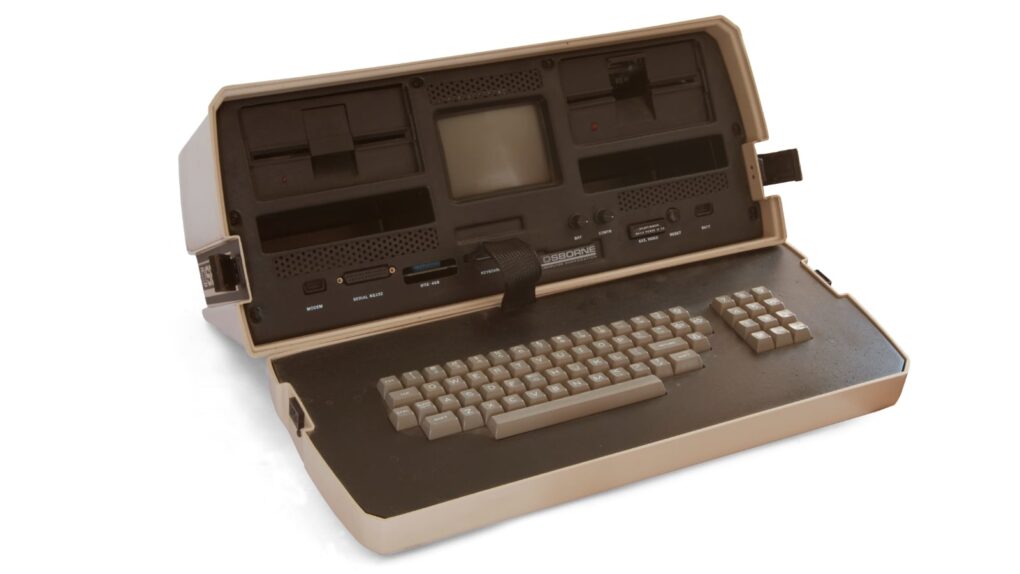
 September 13, 1983: Osborne Computer Corporation, one of Apple’s early rivals, declares bankruptcy. Many considered the company’s Osborne 1 the world’s first truly portable, full-featured computer. It packed everything users needed to set up shop at home or on the road. Alas, it didn’t last!
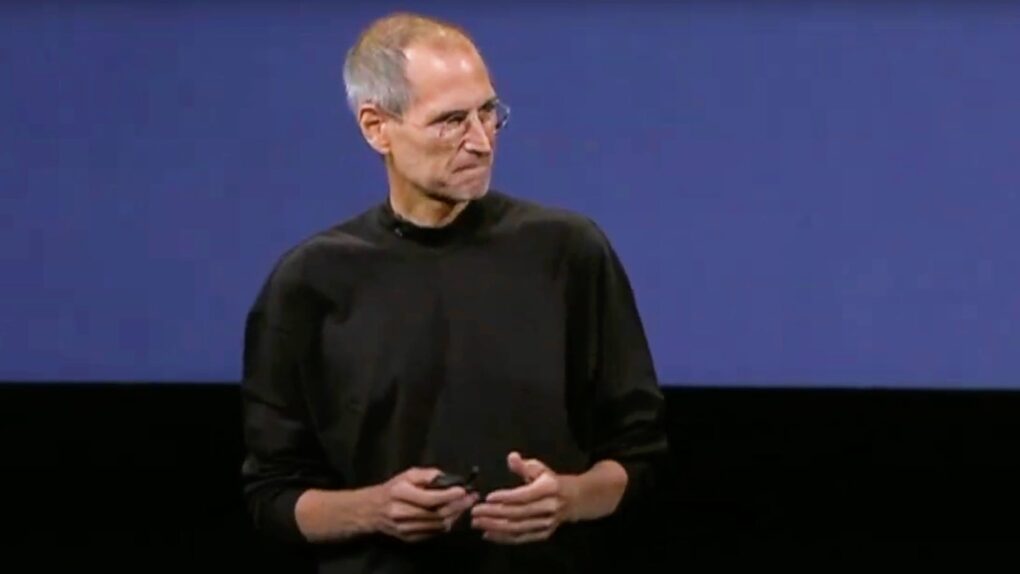
 September 9, 2009: Apple CEO Steve Jobs makes his public return to the company after a successful liver-transplant surgery. Appearing onstage at Apple’s fall event, Jobs receives a standing ovation that lasts nearly a minute. He then opens the keynote on an unusually personal note by discussing his health.
“I wouldn’t be here without such generosity,” Jobs tells the audience, referring to the organ donor whose liver he received. “I hope all of us can be as generous and elect to become organ donors.”
Before revealing Apple’s new iPad nano line, Jobs says, “I’m vertical, I’m back at Apple, and I’m loving every day of it.”

 September 8, 2003: Apple reveals that the iTunes Music Store recently sold its 10 millionth song download. The tune in question? Avril Lavigne’s “Complicated.”
Come to think of it, “You fall, and you crawl, and you break, and you take what you get and you turn it into [success]” describes Apple pretty well in the late ’90s and early 2000s.
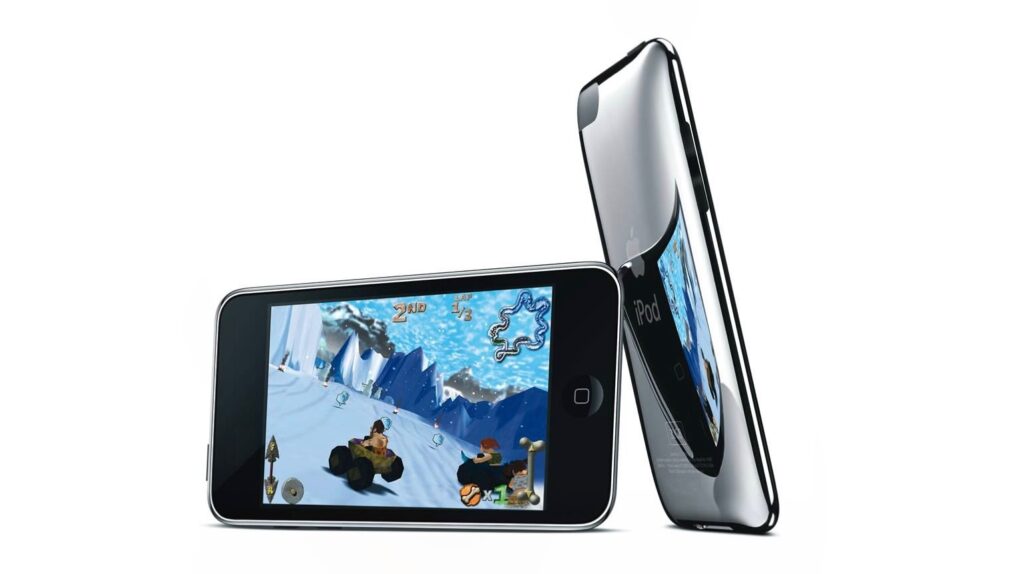
 September 5, 2007: Apple introduces its first new iPods after the release of the iPhone. The lineup includes the third-gen iPod nano, the newly renamed iPod Classic and — most significantly — the debut of the iPod touch.
In doing so, Apple sets out to demonstrate that there is still plenty of life left in its iconic portable music player.
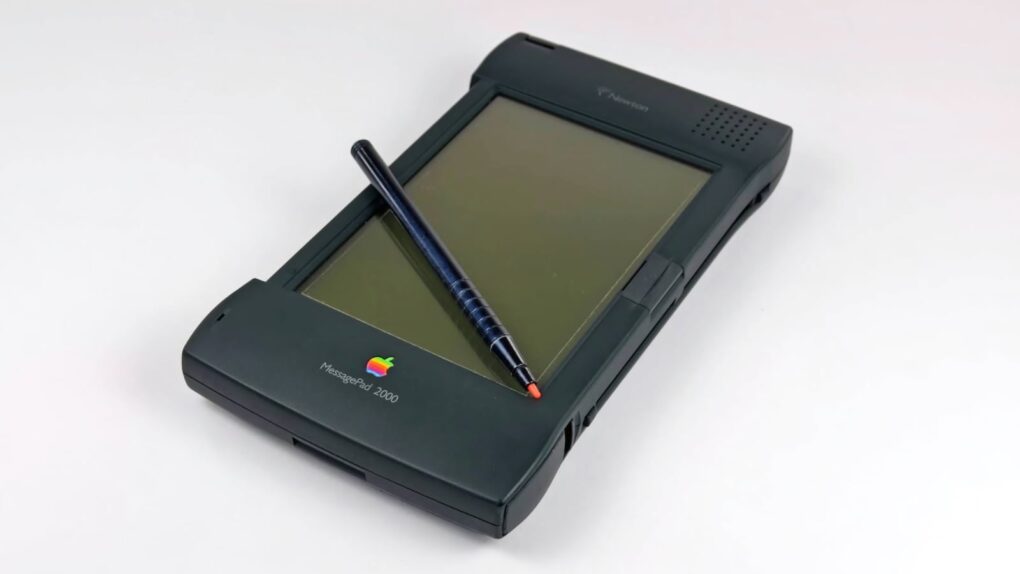
 September 4, 1997: The writing is on the wall for Apple’s Newton product line as the recently returned Steve Jobs effectively kills the Newton Inc. spinoff.
He tells executives at the recently created subsidiary company not to bother moving into their new offices. The flip-flop on the Newton spinoff by Apple’s new interim CEO takes employees by surprise.
It’s quite the turnaround for the Newton division. Only months earlier, Apple portrayed it as large (and successful) enough to become its own company.
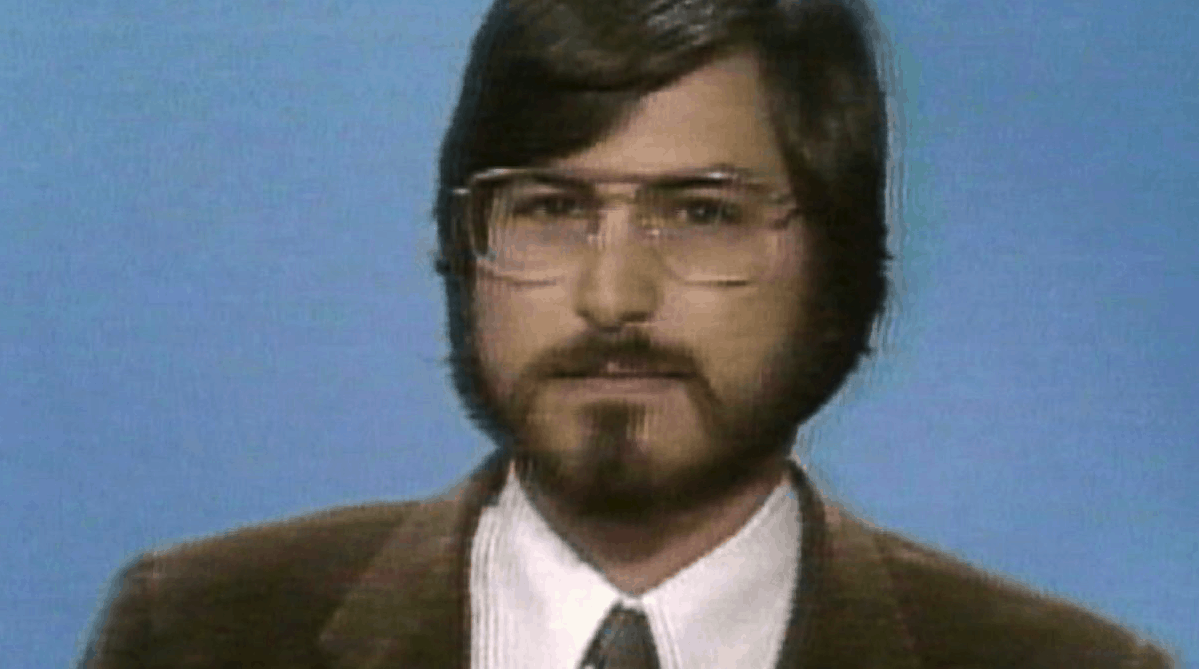
 September 2, 1985: Reports claim Apple co-founder Steve Jobs is on the verge of setting up a new company to compete with Cupertino. The rumors fly after Jobs sells Apple stock holdings worth $21.43 million.
For anyone who thinks speculation about Apple’s future is an invention of the blog era, today’s edition of “Today in Apple history” is a reminder that the tech rumor mill was alive and well in 1985.
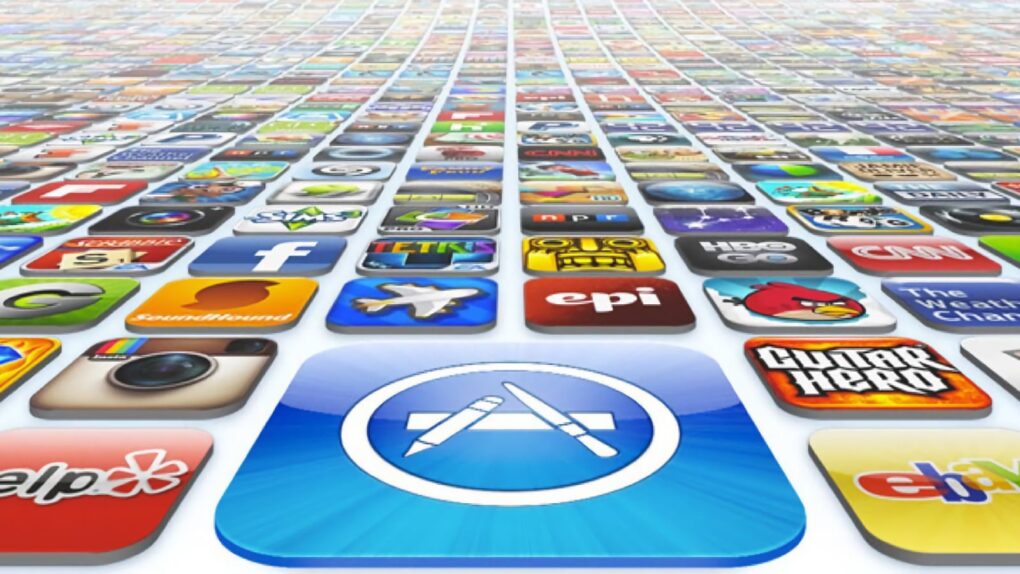
 August 30, 2010: Just two years after opening its virtual doors, the iOS App Store passes a key milestone: one-quarter of a million apps for sale.
It’s a massive demonstration of success for a service Apple CEO Steve Jobs didn’t even initially want to offer.
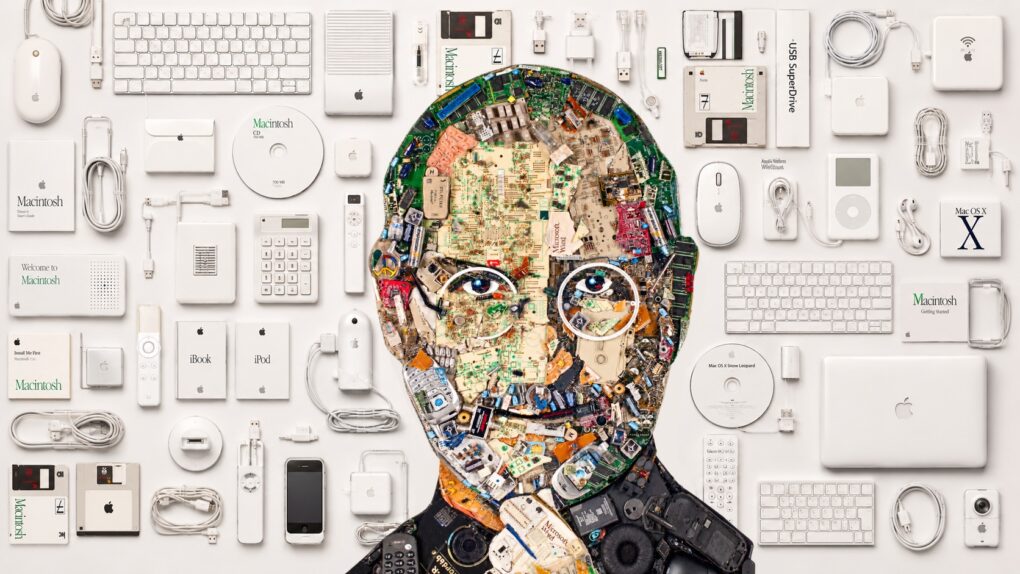
 August 29, 2001: During a meeting, Apple’s board of directors awards CEO Steve Jobs new stock options that will become part of a stock-backdating scandal several years later.
When the matter eventually ends up in court, Apple’s former general counsel pays $2.2 million to settle charges that she backdated stock options for Jobs, herself and others — and created fake paperwork to hide this fact.
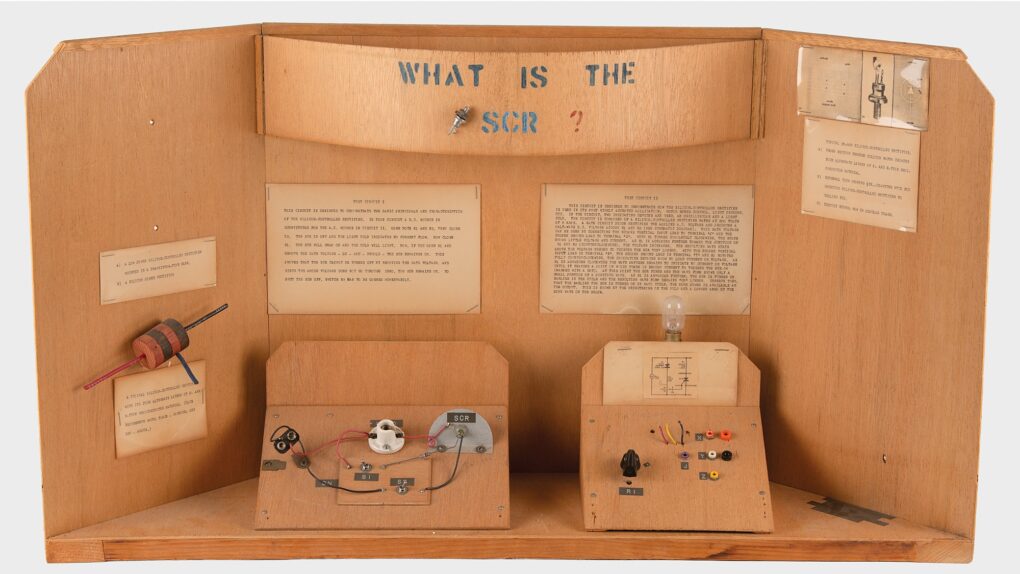
Parents, convinced your child is a budding genius? Then be sure to save everything they make because maybe someday you’ll be able to auction it off for big bucks. As proof, a science project Apple co-founder Steve Jobs built as an eighth grader recently sold at auction for $34,375.
It was part of an auction with other Apple memorabilia, like an Apple-1 computer and an Apple Computer business card signed by Jobs.
 August 27, 1999: Apple Computer swaps out the striped, multicolored logo the company had used since 1977 for a new single-color version. The evolution of the iconic Apple logo from rainbow to monochrome shocks many longtime fans.
However, it is part of a sustained, company-wide overhaul led by Apple CEO Steve Jobs. The makeover includes new products, the “Think Different” ad campaign and, eventually, the removal of the word “Computer” from the company’s name.
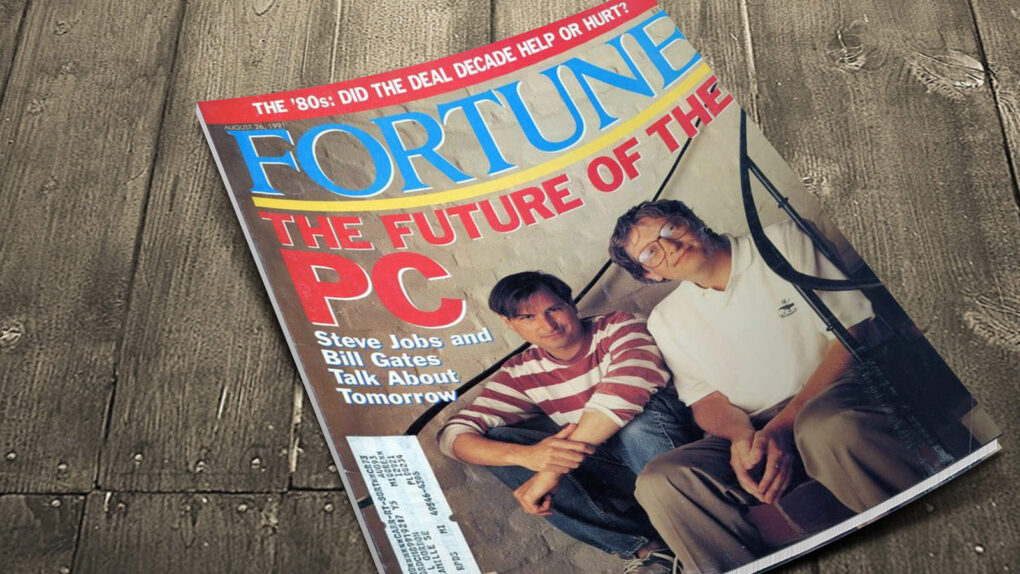
 August 26, 1991: In their first joint interview, Steve Jobs and Bill Gates trade barbs and debate “the future of the PC” in Fortune magazine.
The spirited discussion marks 10 years since the first IBM PC shipped. The piece also looks at what the future holds for both men — described as the former “boy wonders of computing, now thirtysomething.”
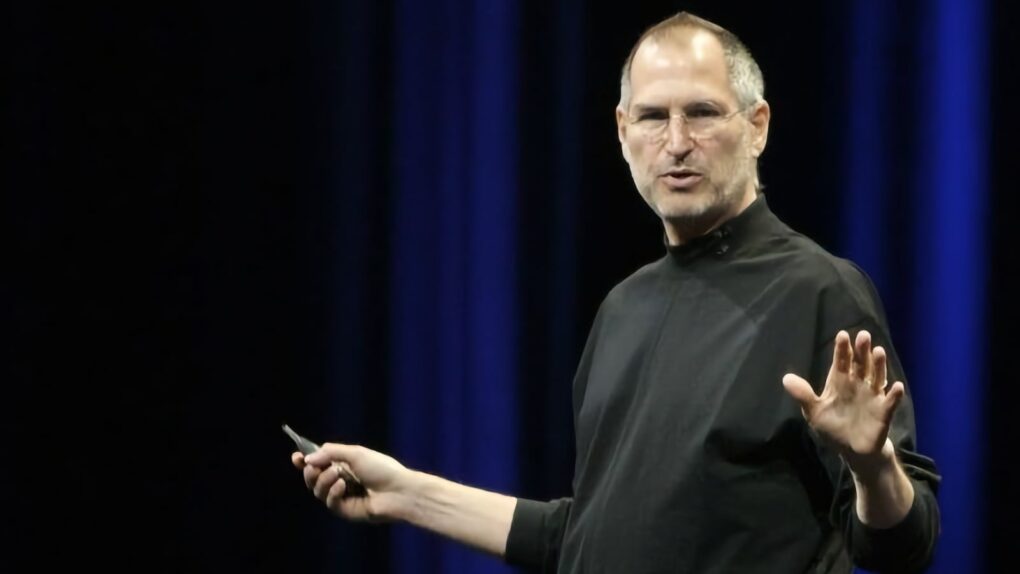
 August 24, 2011: With his health worsening, a cancer-stricken Steve Jobs resigns from his role leading Apple. Tim Cook assumes the role of Apple’s seventh CEO.
“I have always said if there ever came a day when I could no longer meet my duties and expectations as Apple’s CEO, I would be the first to let you know,” Jobs writes in his retirement letter to the Apple board. “Unfortunately that day has come.”
 August 22, 2001: Apple takes home a technical Emmy Award for developing FireWire, the high-speed serial port that allows users to transfer data quickly between a Macintosh and another device, such as a digital camera.
“Apple enabled the desktop video revolution with its invention of FireWire,” says Jon Rubinstein, Apple’s senior vice president of hardware engineering, in a press release about the Emmy win.
FireWire plays a key role in Apple CEO Steve Jobs‘ “digital hub” strategy for the company. However, the technology’s origins go back much further than that.

 August 17, 2012: Apple CEO Steve Jobs’ stolen iPad winds up in the hands of a clown called Kenny, who performs kids’ shows in the San Francisco Bay Area.
It’s a bizarre story all around, and fortunately winds up with the iPad being returned.
 August 8, 1997: At Macworld Expo, Apple co-founder Steve Jobs introduces the world to the company’s new slogan, “Think different.” The catchy marketing reassures fans that Apple is exiting its mid-1990s dark age and once again making products customers will love.
It’s the beginning of Apple’s most iconic advertising campaign since the original “1984” Macintosh ad.
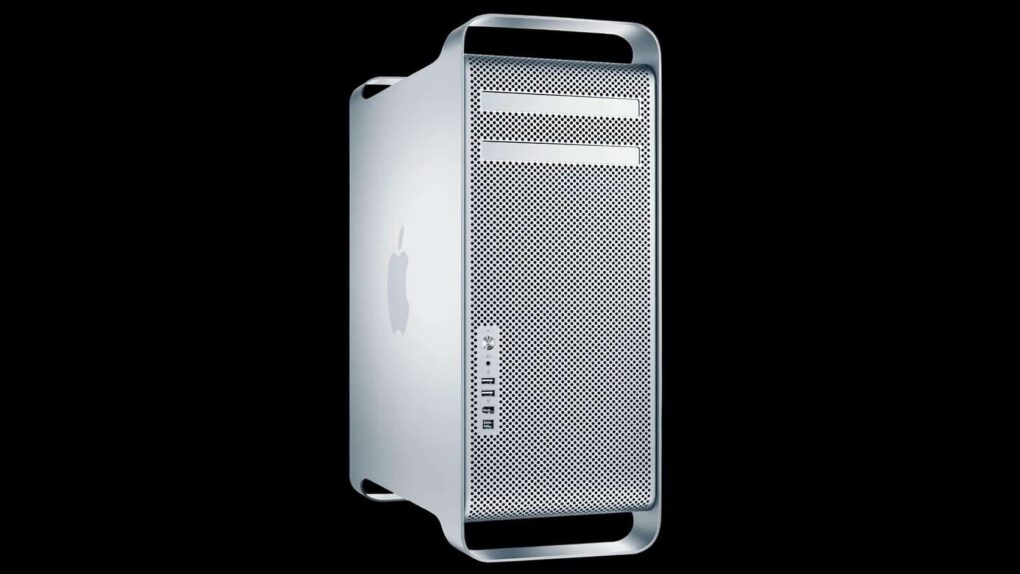
 August 7, 2006: Apple unleashes the first Mac Pro, a high-end desktop computer that completes the company’s transition from PowerPC to Intel processors.
Built for computation-heavy tasks like 3D rendering and professional audio and video editing, the quad-core, 64-bit Mac Pro serves as a replacement for the Power Mac G5 (from which it borrows its aluminum “cheese grater” design).