The Apple App Store is Apple’s tightly curated digital marketplace for iPhone, iPad, Mac, Apple Watch and Apple TV, serving as the primary gateway for downloading apps and games across the company’s ecosystem.
Launched in 2008, the store has grown into a global platform hosting millions of titles, ranging from indie creations to software from major developers, and handles secure distribution, payments, and updates in one centralized hub.
Apple reviews submissions for security, privacy compliance, and content standards, a process the company says protects users but that has also drawn scrutiny from regulators and developers over fees and control.
Beyond transactions, the App Store functions as a discovery engine, featuring editorial recommendations, curated collections, and subscription management tools that help drive billions of downloads each year.
The App Store racked up 200 million downloads in less than five months. Photo: Graham Bower/Cult of Mac
October 22, 2008: During a conference call, Apple CEO Steve Jobs reveals that a user downloaded the 200 millionth app from the App Store that very day.
The news comes less than five months after the launch of the App Store, and only a month after Apple surpassed 100 million app downloads.
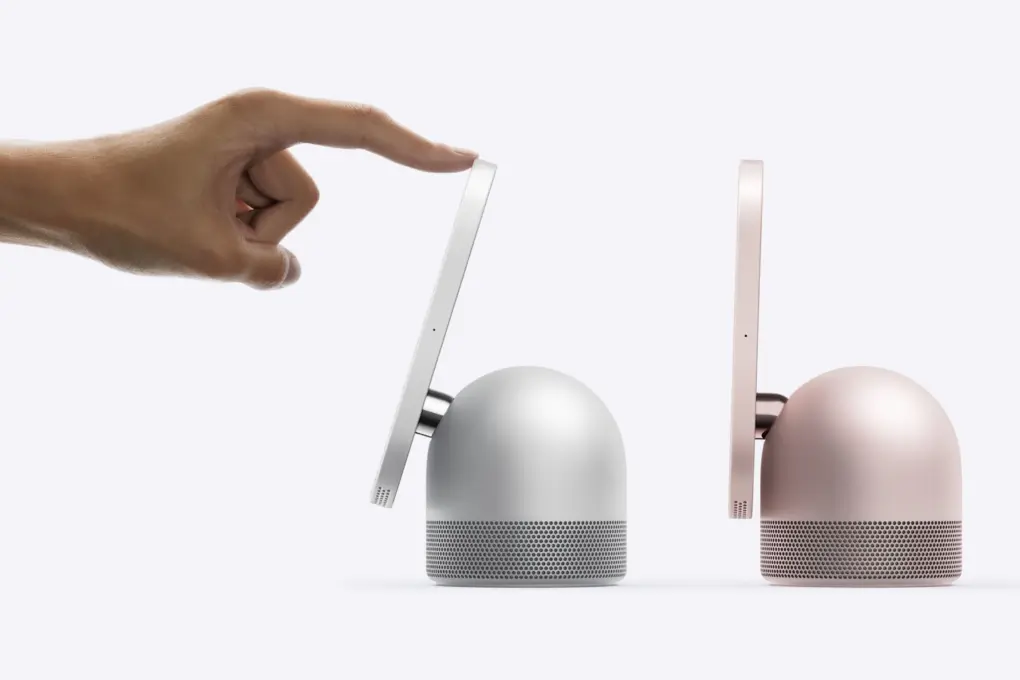
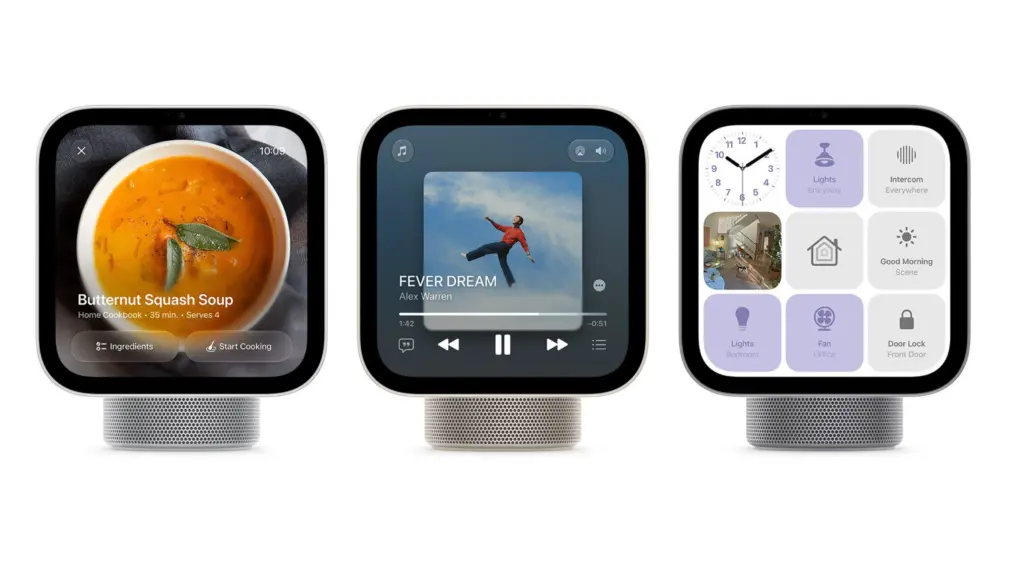
Unlike almost all of Apple's devices, HomeView doesn't have its own App Store. Apple's moving to a new model. Photo: Apple
Apple’s new HomeView smart home hub doesn’t come with an App Store, a decision that’s puzzling users accustomed to installing apps to customize their devices.
There seem to be several good reasons for Apple’s decision, related to the device’s memory, storage, ease of use, privacy and maybe even regulation. But perhaps the most important factor is all about elevating Siri AI as a next-generation user interface.
Phil Schiller has been critical to the success of Apple for decades. Photo: Apple
Tim Cook isn’t the only high-level Apple executive changing roles: Phil Schiller, one of the most recognizable faces in Apple’s modern history, is reportedly stepping away from his remaining major responsibilities at the company.
The 66-year-old Apple veteran is giving up oversight of the App Store and Apple’s product events, according to a report published Monday.
But Schiller isn’t completely walking away from Apple. He will supposedly remain an Apple Fellow and work on unspecified projects.
The I Am Rich app could be yours for the bargain price of $999.99. Photo: Ste Smith/Cult of Mac
August 10, 2008: The developer of I Am Rich, a pointless iPhone app that sold for a whopping $999.99, defends his notorious creation as “art.”
After Apple removed I Am Rich from the App Store in the wake of controversy over the app’s outrageous price and total lack of usefulness, its creator, German developer Armin Heinrich, says he made it as a sort of joke.
A fake Sparrow Wallet app allegedly slipped past Apple’s App Store review process. Image: Sparrow Wallet
Three iPhone owners sued Apple last week over a fake Sparrow Wallet app they say they downloaded from the App Store. The plaintiffs say using the bogus app led to the theft of their Bitcoin, resulting in losses of roughly $1.8 million.
The lawsuit, Ramirez et al v. Apple, Inc., accuses Cupertino of failing to catch the scam app despite years of marketing the App Store as a safe place to download software.
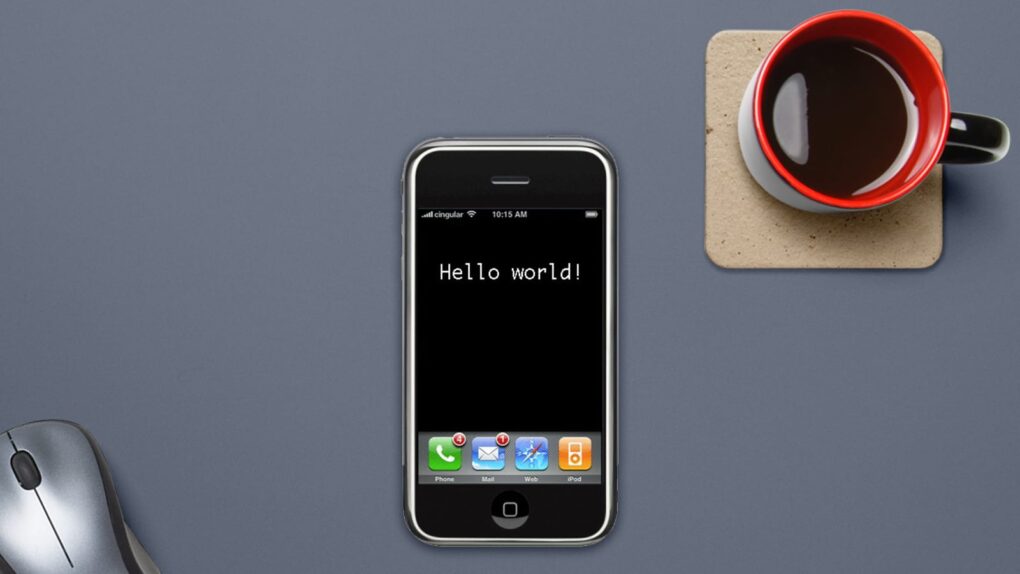
An intrepid hacker gets the iPhone to say "hello." While the message is simple, the meaning is profound. Image: Ste Smith/Cult of Mac
July 20, 2007: Just a month after the original iPhone goes on sale, a hacker compiles the first third-party app and launches it for the new platform. The Hello World app serves more as a proof of concept than a serious tool. However, it clearly demonstrates that third-party apps will become a cornerstone of the new iPhone economy.
The iPhone 3G brought major upgrades. Photo: Apple
July 11, 2008: The iPhone 3G goes on sale. Expectations for the smartphone sequel run high, and Apple delivers with the addition of GPS, faster 3G data and a higher-quality build. The iPhone 3G launch also brings a new mobile operating system packed with features.
Apple’s second smartphone runs iPhone OS 2, which introduces a better Mail app, turn-by-turn navigation and a little something called the App Store.
What was the first app you ever downloaded? Photo: Graham Bower/Cult of Mac
July 10, 2008: Apple launches the App Store, an online hub that lets iPhone owners browse and download apps made by third-party developers. Transforming the iPhone from a locked-down platform to a generative one, the App Store means that every iPhone user can have his or her own “killer app” depending on the software they want — from social networking to composing music to playing games.
One of the most significant launches in Apple history, the App Store opens up a whole new revenue stream for Cupertino. It’s hard to believe that Steve Jobs was originally dead-set against it!
What was the first app you ever downloaded? Image: Ste Smith/Cult of Mac
July 7, 2011: Three years after its launch, the App Store passes 15 billion downloads.
This represents a major milestone for Apple. The App Store offers more than 425,000 apps, which give the iPhone and iPad incredible capabilities and add to the devices’ wide appeal.
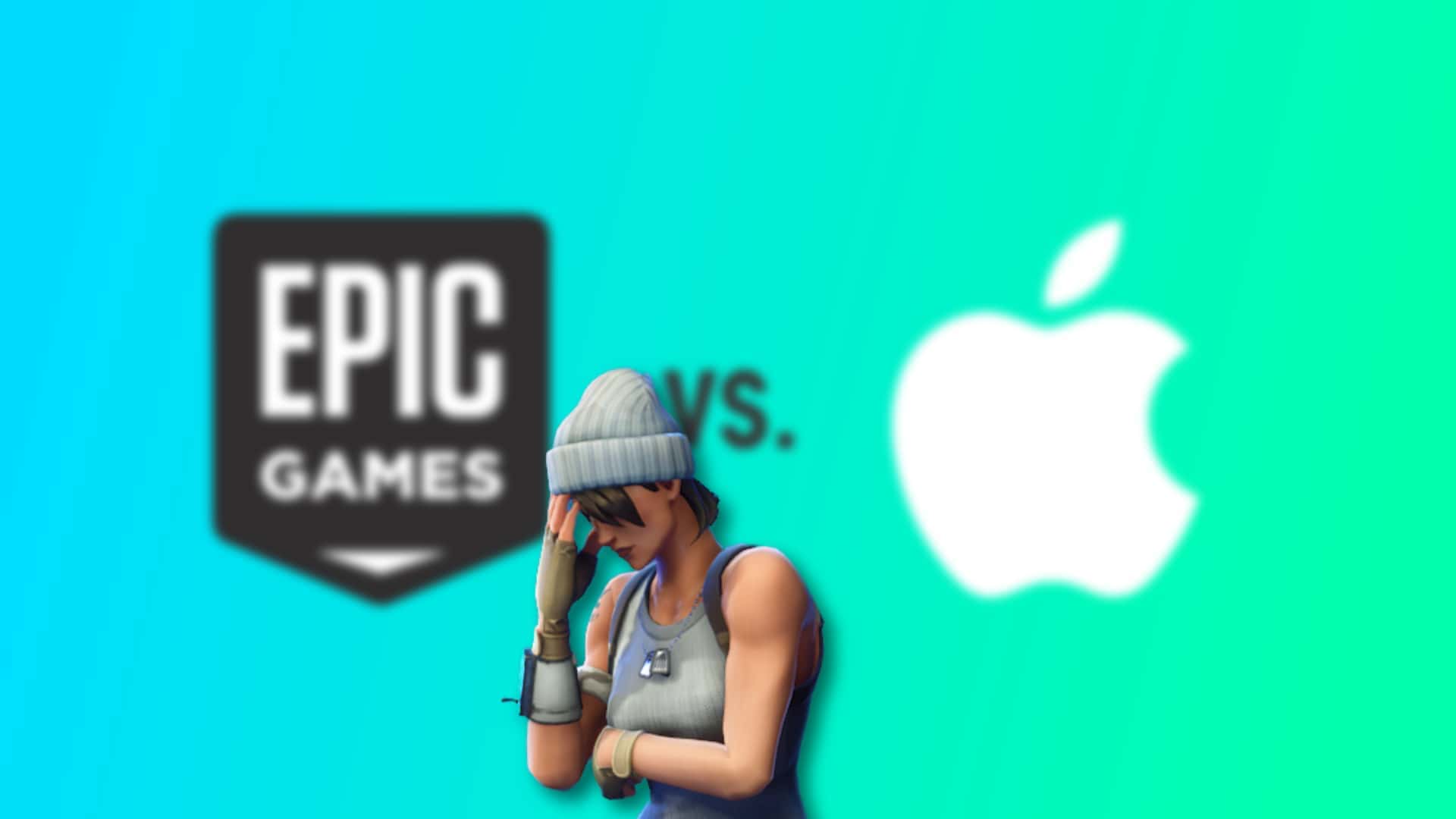
Apple and Epic Games' App Store fee battle now heads to the Supreme Court. Photo: Unsplash
Apple’s years-long App Store fight with Fortnite maker Epic Games is now headed to the Supreme Court. The justices agreed on Tuesday to hear Apple’s appeal of a contempt ruling that has already forced it to change how it handles payments outside the App Store. And the stakes just got a lot higher.
If you’ve purchased anything through an iPhone app recently, this affects you more than you’d think. At stake is whether Apple can keep charging app developers a commission on payments made outside the App Store, and that fee trickles down to what you pay for subscriptions and in-app purchases.
Apple started accepting App Store submissions on this day in 2008. Photo: Ste Smith/Cult of Mac
June 26, 2008: A year after the first iPhone was released, Apple sends an email to developers calling for smartphone software to be distributed in the forthcoming App Store.
Coders around the world greet the news with excitement. They hurry to submit their iPhone apps and get in on the looming App Store gold rush. Many rake in small fortunes when the App Store goes live less than a month later.
Apple's new Personalized Collections feature in the App Store raises privacy concerns after researchers flagged the scope of its tracking. Image: Apple
The App Store’s new Personalized Collections feature gives you tailored app recommendations based on your behavior. Sounds great for finding new apps that you might like, but security researchers say the feature uses a tracking mechanism that logs every single tap you make in the App Store, with no way to opt out.
This means Apple might record all your search queries, every app page you visit, and even how fast you type. If you happen to use an iPhone, Apple could be collecting this data right now.
Apple is ready to dump copycat applications from the App Store. Graphic: Apple/Cult of Mac
Finding useful software in the App Store is about to get easier. Apple is apparently preparing to remove what it describes as “opportunistic” apps that provide little value to iPhone and iPad users.
It already had a policy of not approving applications that are “indistinguishable from what’s already widely available.” This week, it quietly warned developers that it will start removing low-value software that doesn’t attract attention from users.
App Store developer sales hit $1.4 trillion in 2025, thanks in part to AI-focused apps. Photo: Apple
The App Store ecosystem generated more than $1.4 trillion in developer billings and sales during 2025, Apple said Thursday. The figure nearly triples what the platform posted in 2019 and underscores how central the App Store has become to digital earnings. And artificial intelligence-boosted apps played a huge role.
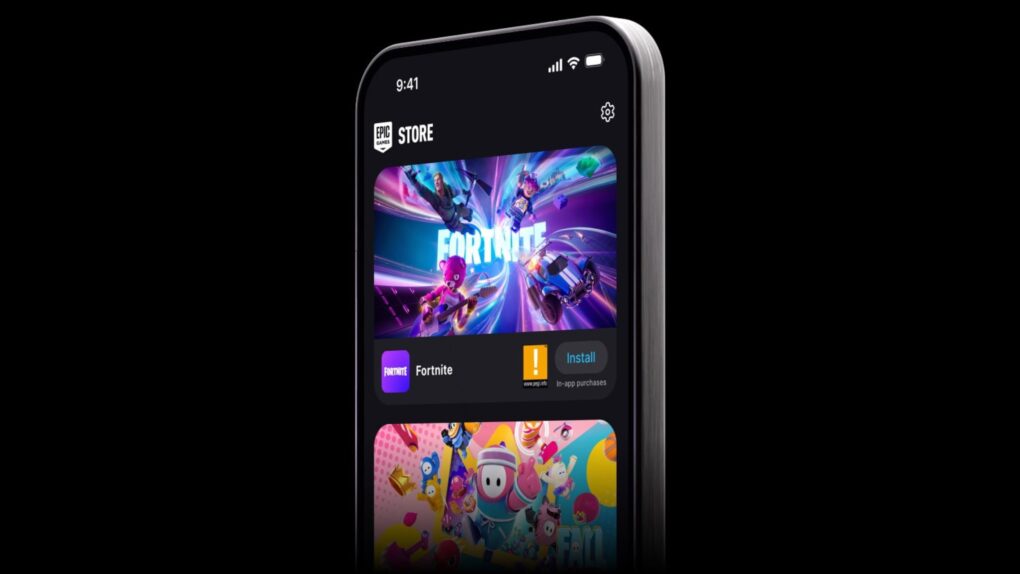
Fortnite is back on iPhone after years away following Epic Games’ legal clash with Apple. Photo: Epic Games
Fortnite returned to the App Store in almost all regions, ending its years-long absence that began when Epic Games sued Apple over in-app purchases.
The battle royale’s comeback is real, but Epic Games’ claim that it has already won isn’t completely true. Epic Games brought back Fortnite to the App Store on Tuesday, following the game’s U.S. return last year. But there’s an exception — Australia — and the legal fight that made this possible is nowhere near finished.
Apple showcased its 2025 efforts to keep the App Store safe for users and developers alike. Image: Apple
Apple stopped more than $2.2 billion in potentially fraudulent App Store transactions last year and rejected over 2 million problematic app submissions, the company reported Wednesday. It’s all part of what it said is a sustained, multilayered effort to keep the App Store safe for both users and developers.
Epic Games came out ahead in the latest skirmish between the developer and Apple. Image: Killian Bell/Cult of Mac
Apple’s bid to freeze court-ordered App Store changes while it pursues U.S. Supreme Court review got rejected Tuesday as the latest decision in the iPhone giant’s long-running legal fight with Fortnite maker Epic Games. So the clock is now ticking on compliance pending another decision over what Apple can charge in fees.
The App Store just got a new way to pay for annual app subscriptions. Photo: Apple/Rajesh Pandey
Apple now allows developers to offer monthly subscriptions with a 12-month commitment. This means instead of paying the annual subscription fee upfront, users can pay it monthly.
This change makes it easier for users to subscribe to apps with high annual fees, lowering the barrier to entry.
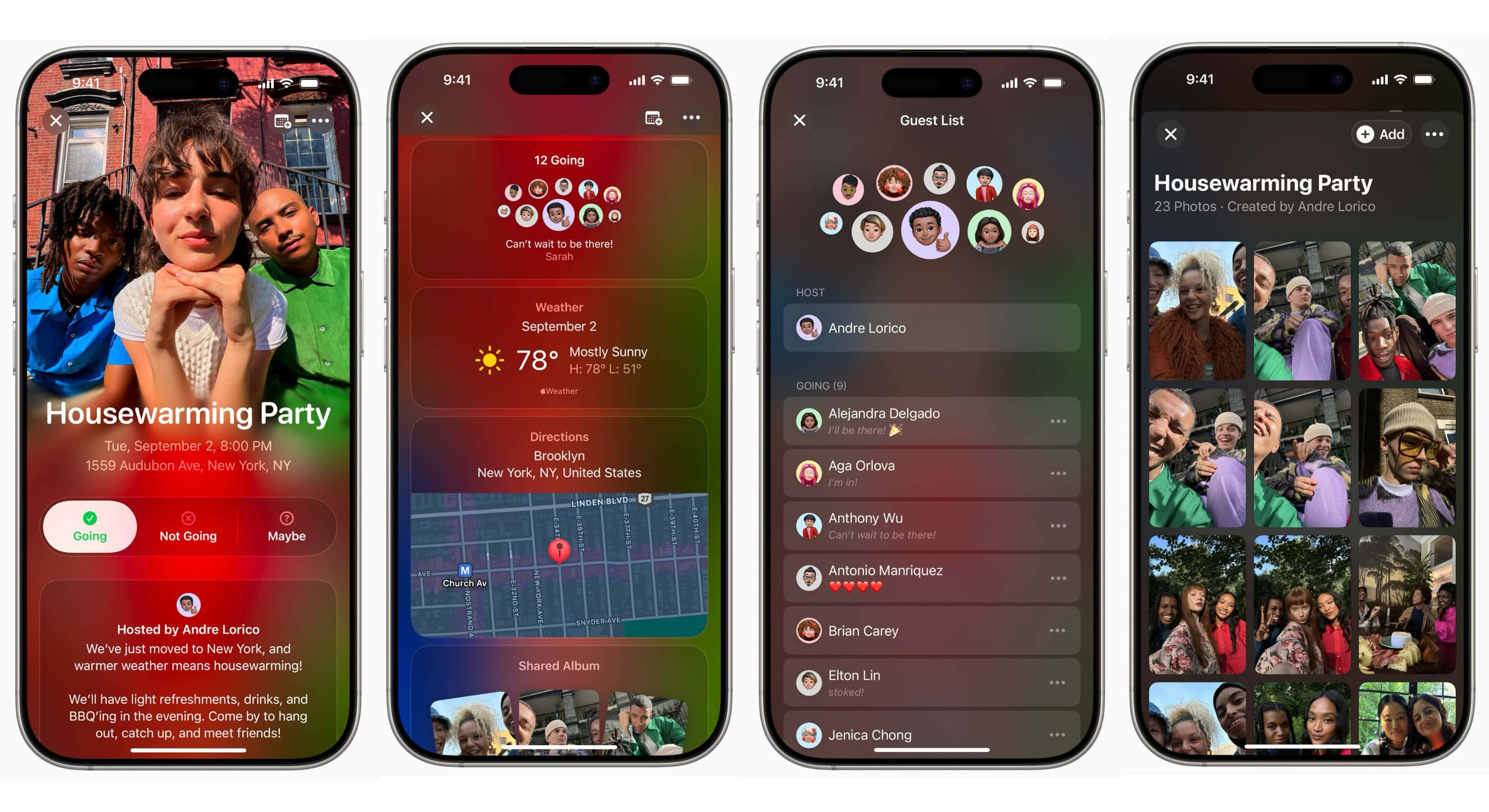
The Apple Invites app lets organizers and attendees share event details like location, weather, directions, guest list and a shared photo album. Screenshots: Apple
Apple rolled out version 1.8 of its Apple Invites app Thursday, bringing seven new features that make planning and sharing events easier than ever. The update, available on the App Store, is the second recent upgrade for the iCloud+-exclusive digital invitation service.
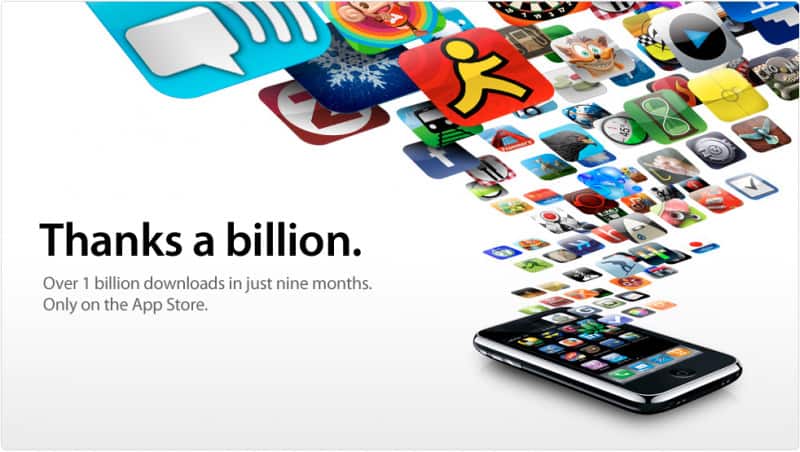
What was the first app you ever downloaded? Photo: Apple
April 23, 2009: Less than a year after opening its virtual doors, the App Store reaches 1 billion downloads.
Peer-to-peer file sharing app Bump becomes the 1 billionth app to be downloaded. As a result of his purchase, 13-year-old Connor Mulcahey of Weston, Connecticut, wins Apple’s “1 Billion App Countdown” promotion.
He takes home an assortment of Apple products valued at more than $13,000, including a $10,000 iTunes gift card, a 32GB iPod touch, an Apple Time Capsule wireless router and a 17-inch MacBook Pro.
The popular Cal AI app violated a handful of App Store guidelines, according to Apple. It's still keeping a close eye, apparently. Photo: Cal AI
Apple briefly removed the popular calorie-counting app Cal AI from the App Store last week. The episode offers a clear message to developers everywhere, according to a new report: The company is still very much in charge of how apps handle payments — even in the wake of a landmark court ruling that loosened some of its long-standing rules.
The iPhone SDK plants the seeds for the App Store's stunning success. Photo: Apple
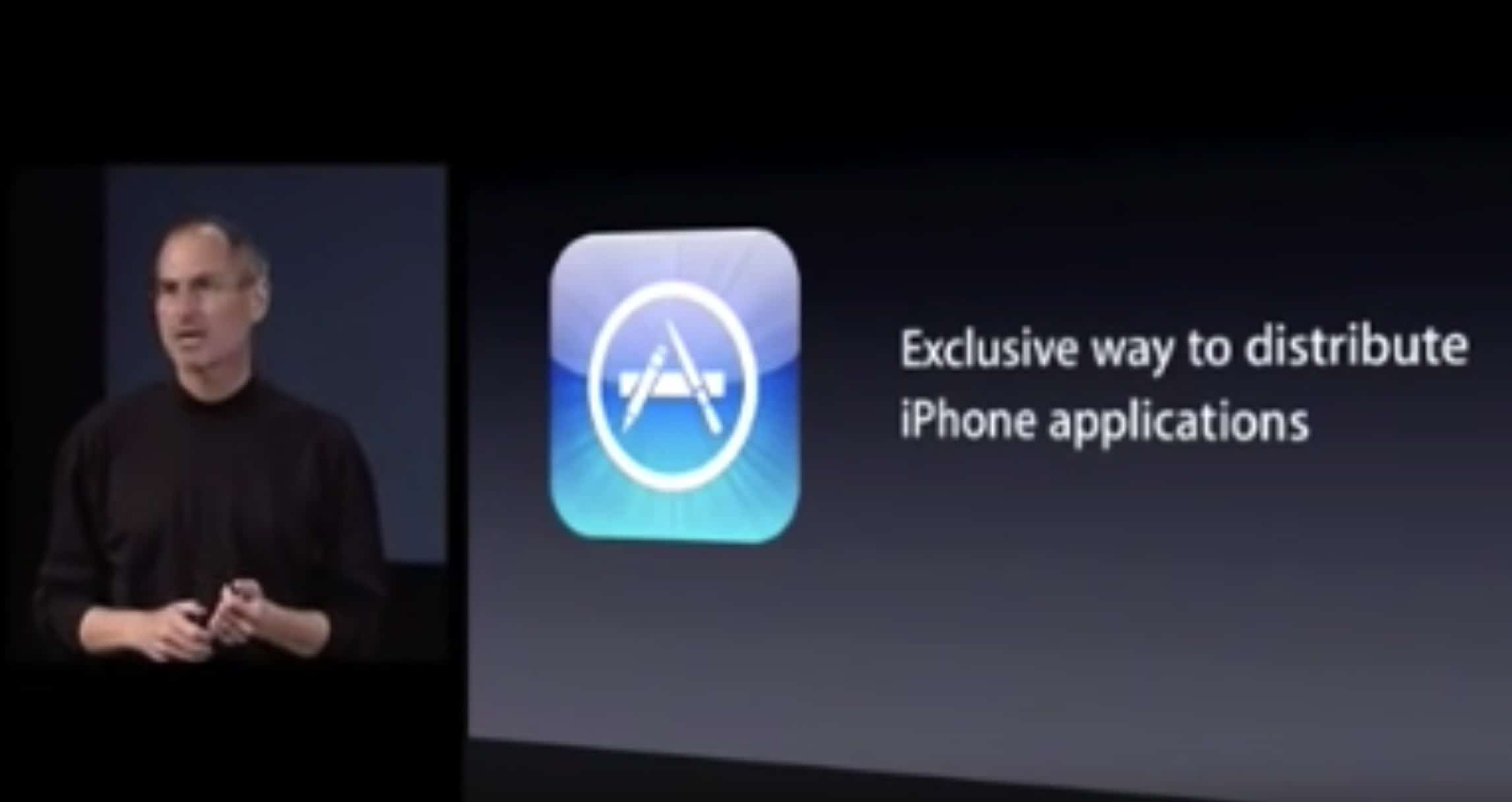
March 6, 2008: Apple releases the iPhone software development kit, finally allowing coders to start creating native mobile apps for the new smartphone. The iPhone SDK gives developers the tools they need to unlock the new smartphone’s potential.
When the App Store eventually opens a few months later, a new industry springs up overnight. Third-party devs rush to take advantage of Apple’s lucrative app distribution network.
At 25 billion downloads, Apple marked a major App Store milestone. Photo: Apple
March 5, 2012: Apple reaches a staggering milestone, with 25 billion apps downloaded from the iOS App Store. The company celebrates with a giveaway titled the “25 Billion App Countdown.”
The lucky 25 billionth app downloader wins an iTunes gift card worth $10,000.
 October 22, 2008: During a conference call, Apple CEO Steve Jobs reveals that a user downloaded the 200 millionth app from the App Store that very day.

 August 30, 2010: Just two years after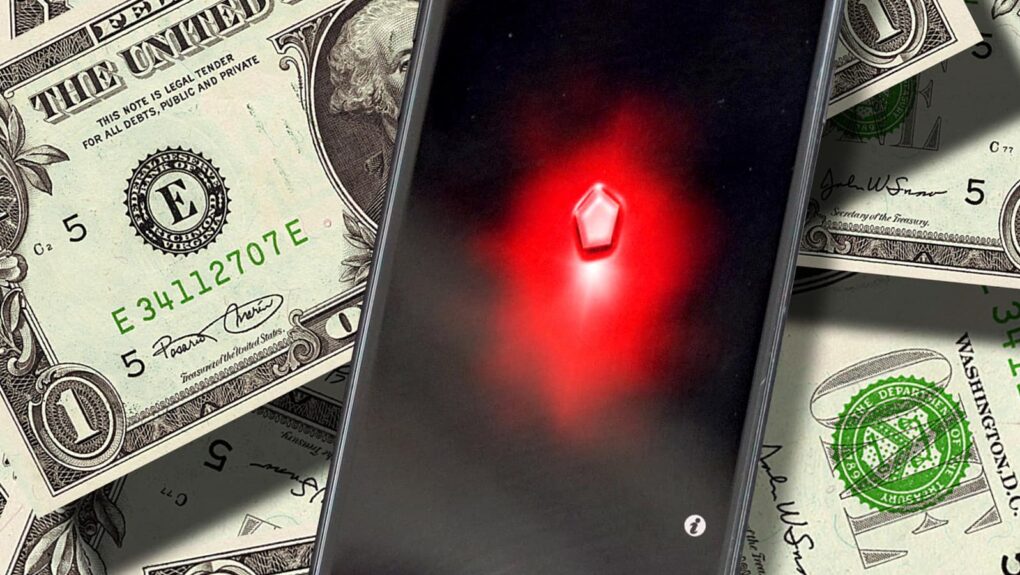
 August 10, 2008: The developer of I Am Rich, a pointless iPhone app that sold for a whopping $999.99, defends his notorious creation as “art.”
 July 20, 2007: Just a month after the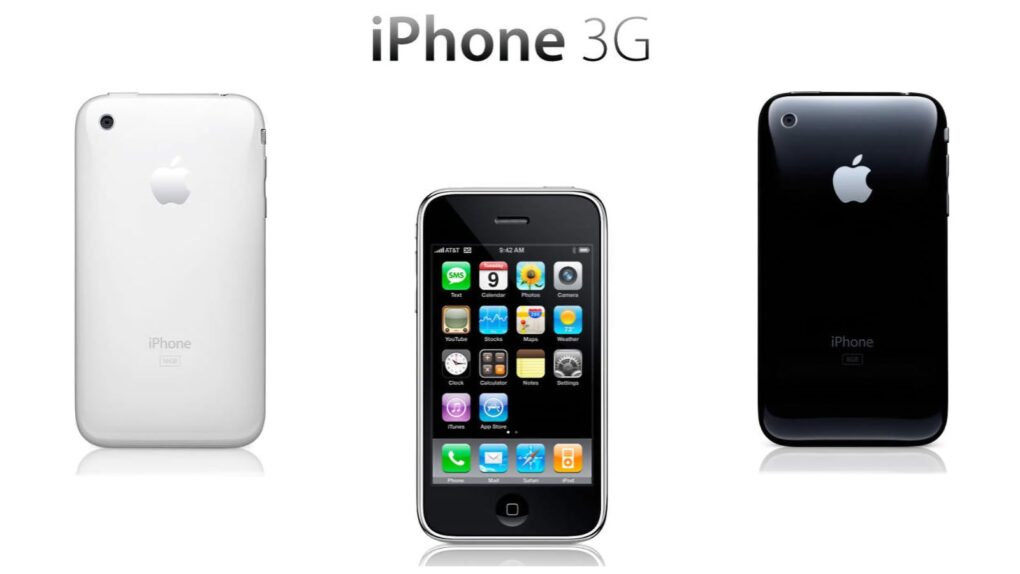
 July 11, 2008: The iPhone 3G goes on sale. Expectations for the smartphone sequel run high, and Apple delivers with the addition of GPS, faster 3G data and a higher-quality build. The iPhone 3G launch also brings a new mobile operating system packed with features.
 July 10, 2008: Apple launches the App Store, an online hub that lets iPhone owners browse and download apps made by third-party developers. Transforming the iPhone from a locked-down platform to a generative one, the App Store means that every iPhone user can have his or her own “killer app” depending on the software they want — from social networking to composing music to playing games.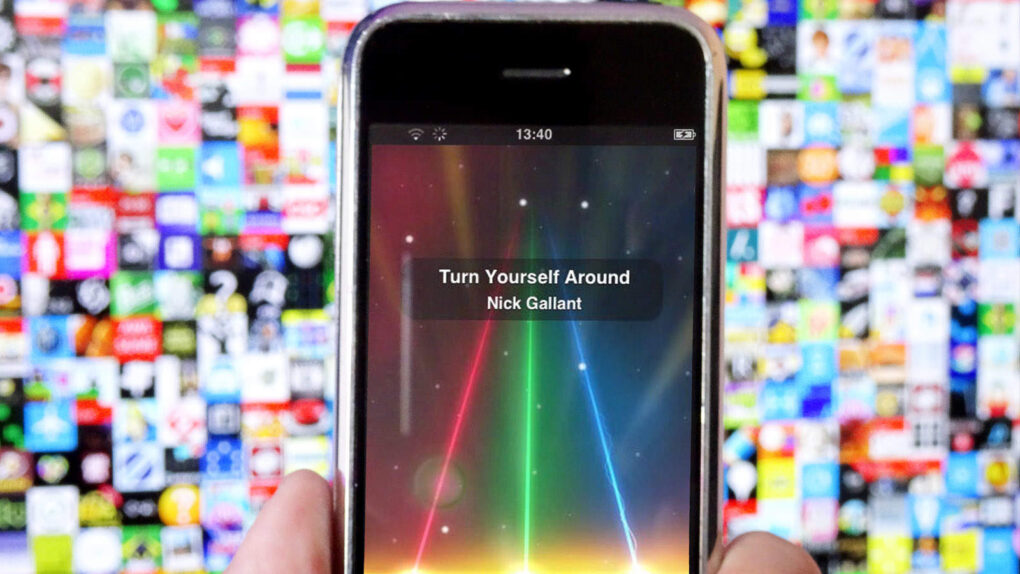
 July 7, 2011: Three years after its launch, the
 June 26, 2008: A year after the
 April 23, 2009: Less than a year after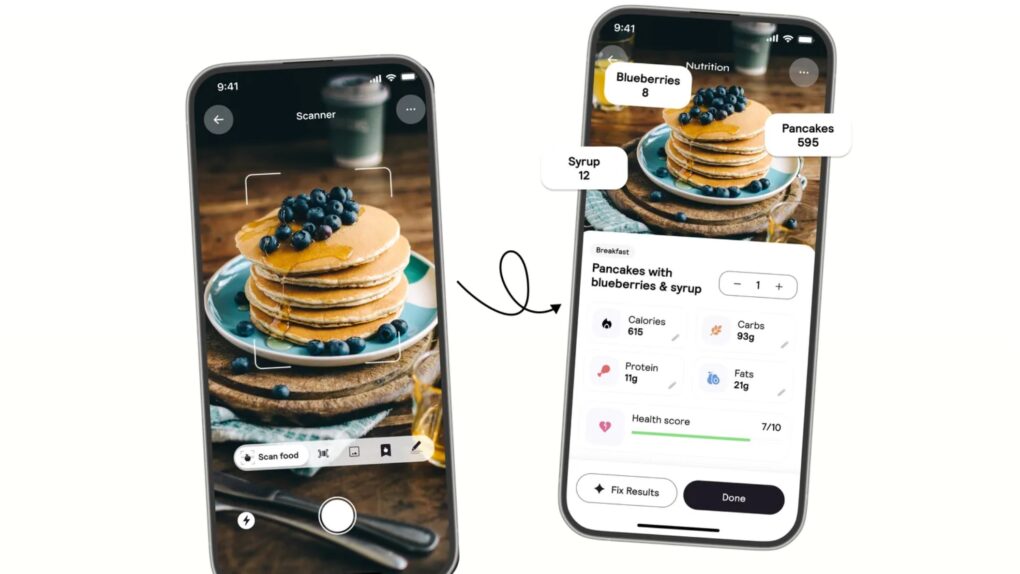
 March 6, 2008: Apple releases the iPhone software development kit, finally allowing coders to start creating native mobile apps for the new smartphone. The iPhone SDK gives developers the tools they need to unlock the new smartphone’s potential.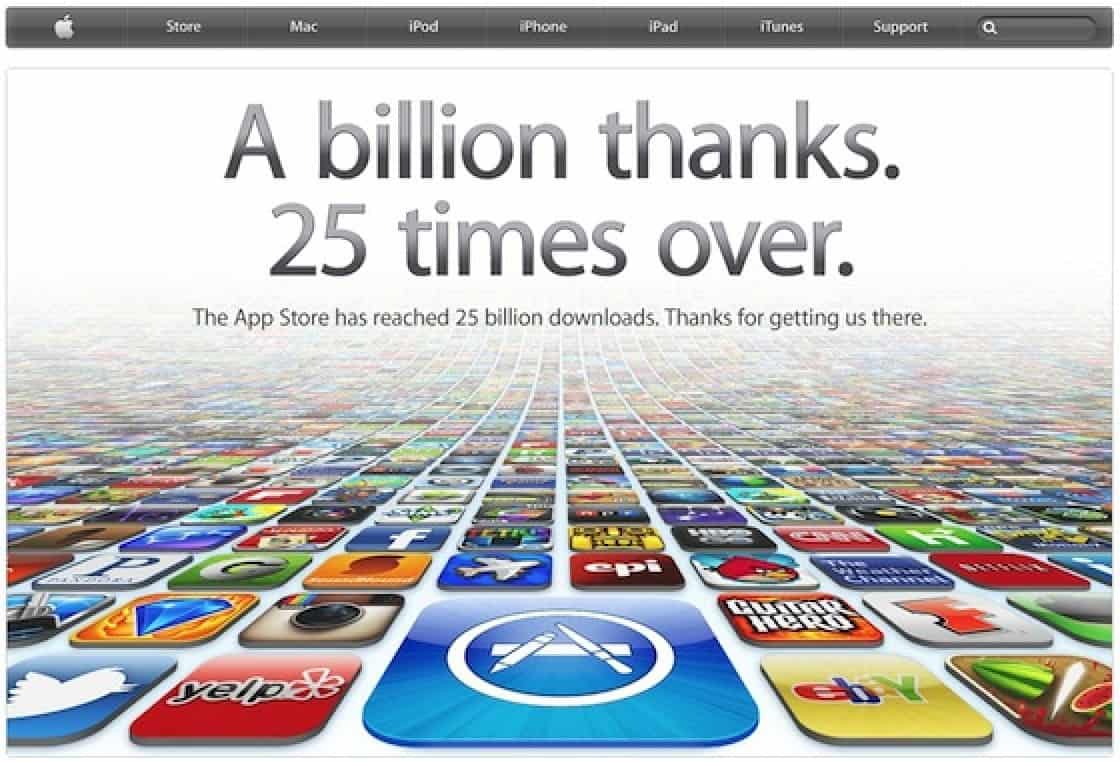
 March 5, 2012: Apple reaches a staggering milestone, with 25 billion apps downloaded from the iOS App Store. The company celebrates with a giveaway titled the “25 Billion App Countdown.”