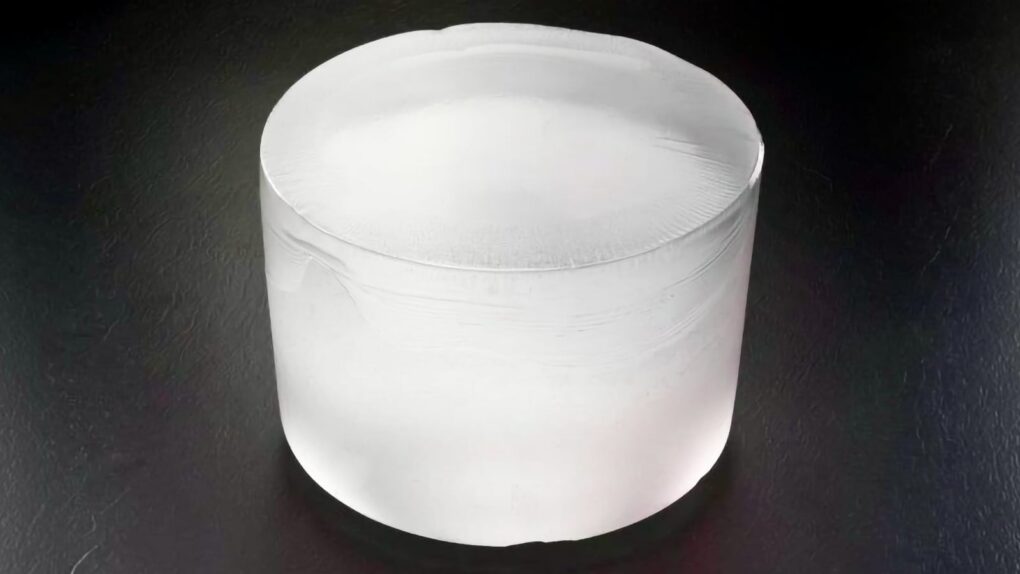
 October 8, 2014: Apple says it is “surprised” after GT Advanced Technologies, the supplier previously rumored to make ultra-strong sapphire glass displays for the iPhone 6, files for bankruptcy.
The announcement appears to mark the end of the road for sapphire glass iPhone screens, a highly anticipated upgrade that promised to make devices more durable but never arrived.
Apple’s sapphire glass deal with GT Advanced Technologies
The iPhone 6 was supposed to have a nearly indestructible screen. Instead, Apple’s much-hyped sapphire-glass revolution ended in spectacular failure. Apple had bet heavily on sapphire as a tougher, more scratch-resistant alternative to conventional smartphone glass, raising expectations for one of the iPhone’s biggest hardware upgrades in years.
It didn’t happen. The sapphire project collapsed just as the new iPhone launched. It was a rare, very public reminder that even Apple can bet big on the future — and get it spectacularly wrong.
Up until the iPhone 6 and 6 Plus release, sapphire glass screens remained one of the biggest rumored upgrades for Apple’s smartphones. Ahead of the devices’ unveiling, the prospect excited many people. YouTube videos purporting to show iPhone 6 sapphire displays resisting knife scrapes got people amped. One survey even showed that consumers’ most-anticipated iPhone 6 feature was a sapphire display.
To try and make this a reality, Apple signed a deal with GT Advanced Technologies in November 2013. The pact included a $578 million payment from Apple to speed up “the development of its next generation, large capacity ASF furnaces to deliver low cost, high volume manufacturing of sapphire material,” according to a GT Advanced Technologies press release.
This would take place at a plant in Mesa, Arizona. However, Apple never confirmed its interest in sapphire glass iPhone displays. Still, as the rumors grew stronger, GT’s stock price rose.
Unfortunately, things unraveled behind the scenes. Supposedly unhappy with GT’s progress, Apple withheld its final $139 million payment. Sapphire yield rates of 25% or less reportedly disappointed Cupertino.
The end of the road for sapphire iPhone screens
Seeing no way forward, Apple rolled out the iPhone 6 without the rumored sapphire glass display, causing GT Advanced Technologies’ stock to plummet. (GT’s CEO reportedly made $10 million offloading his shares ahead of the iPhone 6 event.)
In early October 2014, GT suddenly filed for bankruptcy. Court documents revealed that the company blamed Apple for its woes. The sapphire-maker said Apple “imposed oppressive and burdensome terms and obligations on GTAT.” Ultimately, Cupertino’s demands made GT’s “continued performance” no longer “a viable business option,” the company said.
Apple, meanwhile, said it would work to keep people employed in Arizona, where GT’s factory went belly-up.
“We are focused on preserving jobs in Arizona following GT’s surprising decision and we will continue to work with state and local officials as we consider our next steps,” Apple spokesman Chris Gaither told Reuters.
The 1.3-million-square-foot facility in Mesa wound up becoming a new Apple data center for 150 full-time employees.
Ceramic Shield arrives to save the day
Years later, we still don’t have our iPhone sapphire glass displays, although Apple used it for Touch ID and Home buttons in some models. The company continues to use the tough material for iPhone camera lens covers and some Apple Watch screens.
As for the iPhone’s screen, the Ceramic Shield technology introduced in iPhone 12 (and updated for the iPhone 16 series) makes current screens quite durable. The specially engineered glass is heat-treated to develop nanocrystals similar to those found in ceramics.
Apple showcased Ceramic Shield in 2021’s “Fumble” ad, which you can watch below.

Luke Dormehl is a U.K.-based journalist and author, with a background working in documentary film for Channel 4 and the BBC. He is the author of The Apple Revolution and The Formula: How Algorithms Solve All Our Problems … and Create More, both published by Penguin/Random House. His tech writing has also appeared in Wired, Fast Company, Techmeme and other publications.

2 responses to “Today in Apple history: Apple’s sapphire dreams shatter”
iPhone 6 and 6 plus? I think you meant 8 and 8 plus?
Sounds like they shouldn’t have put all of their eggs in one basket.