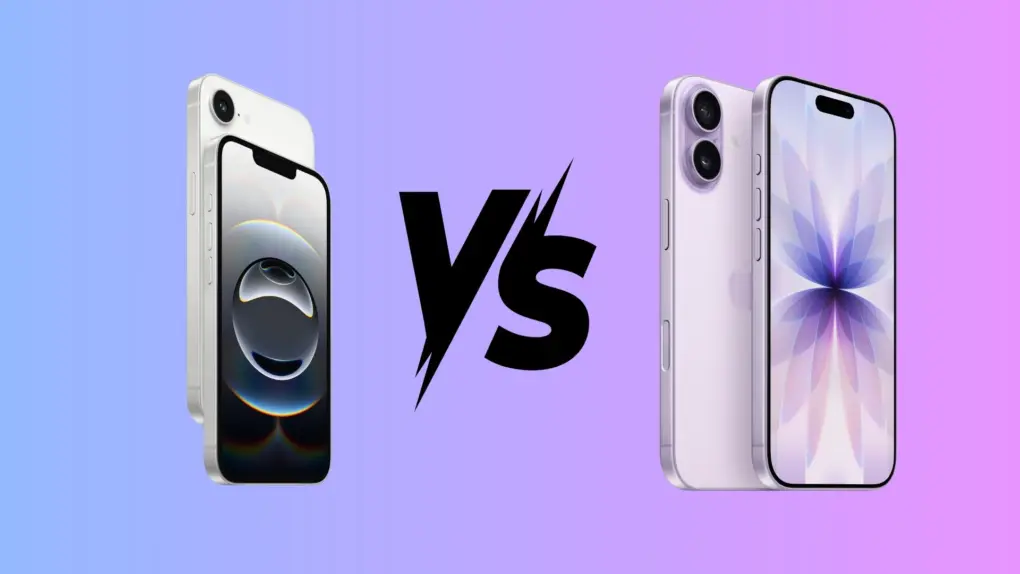
Apple’s budget-oriented iPhone 17e packs a faster processor and more base storage — at a lower price — than the iPhone 16. But despite launching more than a year earlier, the iPhone 16 still holds an edge in several important aspects.
Here’s how the two affordable iPhones compare — and which one you should buy.
iPhone 17e vs. iPhone 16 comparison
As Apple’s new entry-level model, the iPhone 17e makes the right compromises versus the iPhone 17 to achieve its lower price point. However, a closer look reveals that the iPhone 16 trumps the newer iPhone, thanks to a better display and a more flexible camera setup.
The iPhone 17e still makes a compelling case on paper. It offers a faster chip, better efficiency and double the base storage, all at a $599 starting price that’s $100 lower than the iPhone 16. These upgrades are hard to ignore, especially for someone on a tight budget.
But between the iPhone 17e and iPhone 16, there clearly has to be one better phone. Which one is it?
Table of contents: iPhone 17e vs. iPhone 16 comparison
Design
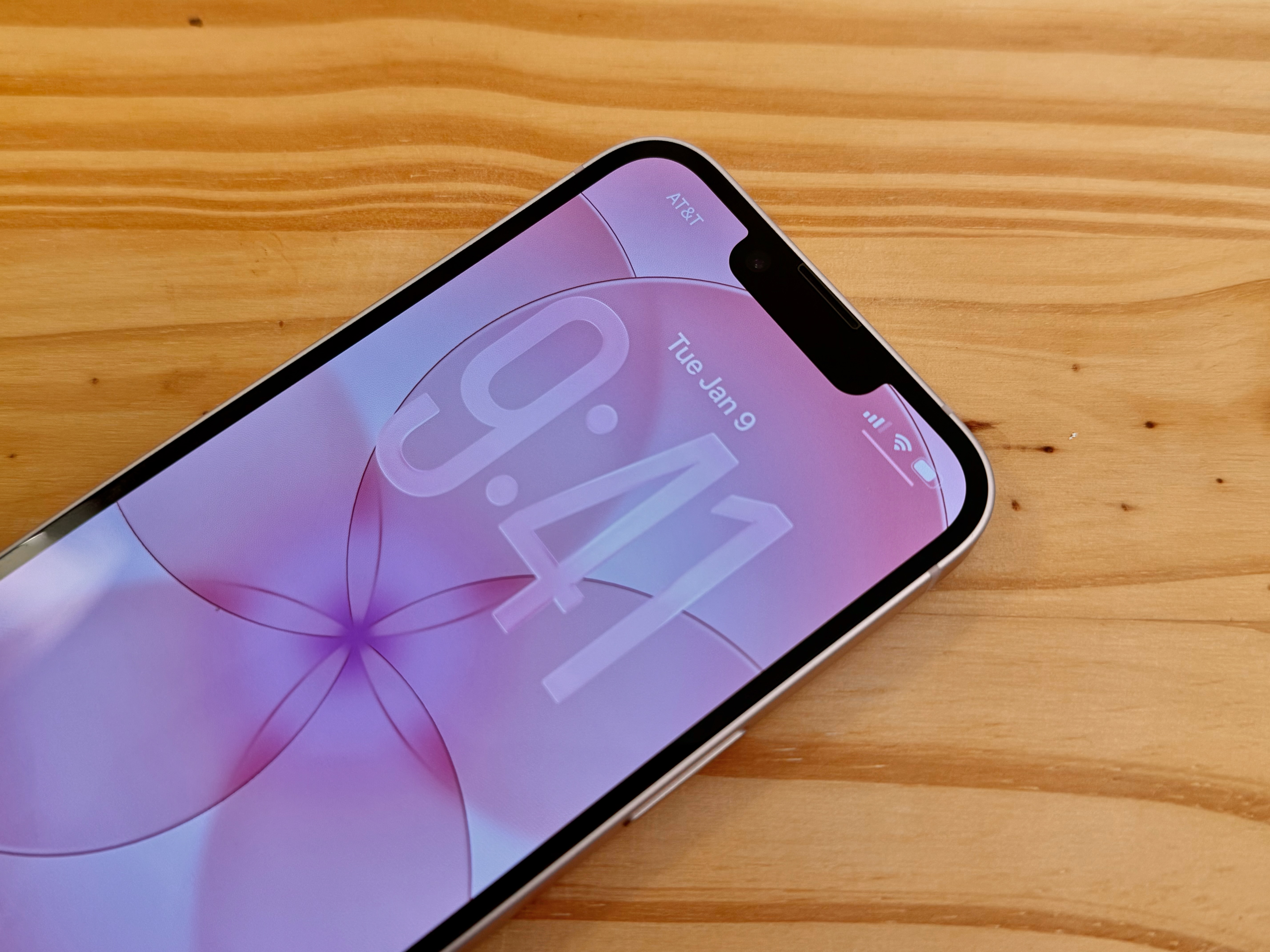
Photo: D. Griffin Jones/Cult of Mac
- iPhone 17e: 146.7 mm x 71.5 mm x 7.8 mm, 169 grams; screen notch, aluminum frame, Action button, Ceramic Shield 2 front, IP68 water resistance
- iPhone 16: 147.6 mm x 71.6 mm x 7.80 mm; 171 grams; IP68, aerospace-grade aluminum with color-infused glass back, Ceramic Shield 2 (rear), Action button, Camera Control
The iPhone 17e hit the market almost 1.5 years after the iPhone 16. Yet, it features an outdated design, sticking to the same iPhone 11-like design as its predecessor. This means there’s a notch up front instead of the smaller — and legitimately functional — Dynamic Island.
The iPhone 16’s vibrant color options and color-infused glass back further boost its modern look. It’s available in five shades — ultramarine, teal, pink, white and black. By comparison, you can get the iPhone 17e in black, white and soft pink colors.
While both iPhones feature a customizable Action button, the iPhone 16 gets a Camera Control, too.
From a design viewpoint, the iPhone 16 wins despite launching in late 2024.
Display
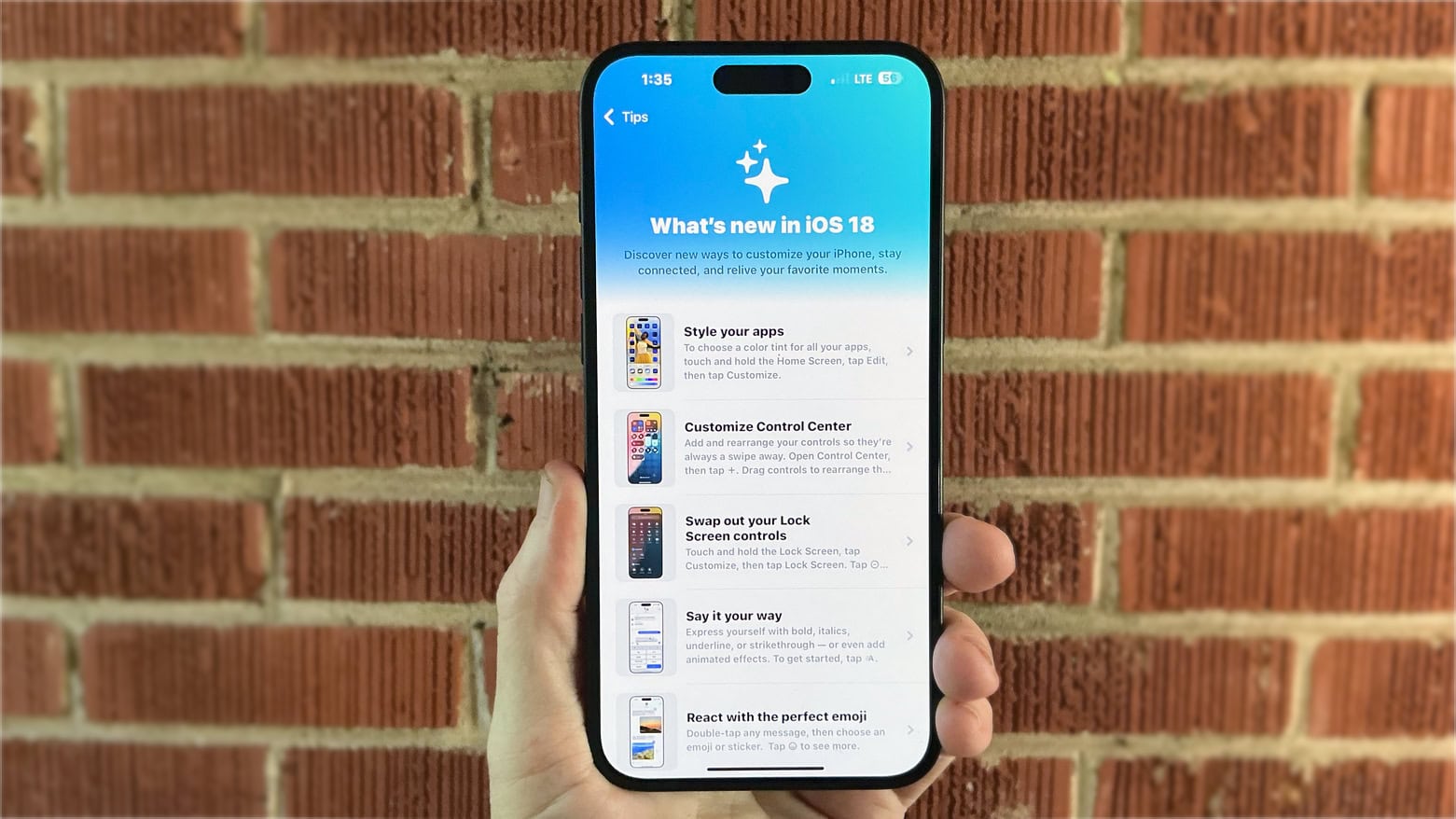
Photo: Ed Hardy/Cult of Mac
- iPhone 17e: 6.1-inch Super Retina XDR display, 2,532 x 1,170 pixels, 60Hz refresh rate, Haptic Touch, True Tone, Ceramic Shield 2 cover glass, 800 nits typical brightness, 1,200 nits peak brightness
- iPhone 16: 6.1-inch Super Retina XDR display, 2,556 x 1,179 pixels, 60Hz refresh rate, Haptic Touch, True Tone, Dynamic Island, HDR10, Dolby Vision, 1,000 nits typical brightness, 2,000 nits peak brightness, 1 nit minimum brightness
The iPhone 17e and iPhone 16 both feature a 6.1-inch Super Retina XDR display. However, the older iPhone 16 packs a superior panel, as it can hit higher typical and peak brightnesses of 1,000 nits and 2,000 nits respectively. It can also drop the minimum brightness to 1 nit.
The iPhone 17e can only deliver 800 nits of max brightness, with HDR brightness going up to 1,200 nits.
Neither of the phones offer 120Hz ProMotion support or an Always-On Display.
But the iPhone 17e does possess one advantage over the older iPhone. It uses a more durable Ceramic Shield 2 cover glass that provides three times better scratch resistance than the iPhone 16’s regular Ceramic Shield glass, according to Apple.
Performance: iPhone 17e vs. iPhone 16

Photo: Apple
- iPhone 17e: A19 processor, 3nm fab, 6-core CPU, 4-core GPU with Neural Accelerators, upgraded 16-core Neural Engine, hardware-accelerated ray tracing; 256GB and 512GB storage options
- iPhone 16: A18 processor, 3nm fab, 6-core CPU, 5-core GPU, 16-core Neural Engine, storage starts at 128GB and goes up to 512GB
Despite being more affordable than the iPhone 16, the iPhone 17e runs on a more powerful A19 chip. It’s the same SoC that Apple uses inside the regular iPhone 17.
With a 6-core CPU and a 4-core GPU, each featuring its own Neural Accelerator, the iPhone 17e’s A19 chip is among the fastest mobile SoCs in the world.
However, this does not mean the iPhone 16’s A18 is slow by any means. Despite launching in 2024, the A18 is a very powerful SoC that can handle heavy apps and games with ease.
Both phones feature 8GB RAM, though the iPhone 17e packs one advantage. It ships with 256GB storage as standard, while the iPhone 16 starts at 128GB. This might not seem like a big deal now, but in a few years, that additional storage will come in very handy.
Camera
- iPhone 17e: Single 48MP f/1.6 Fusion camera; 12MP TrueDepth front camera, optical image stabilization, True Tone flash, Photonic Engine, Deep Fusion, Smart HDR 5, next-gen portraits with Focus and Depth Control, Night mode, Spatial photos; 4K 60fps Dolby Vision video recording
- iPhone 16: 48MP f/1.6 Fusion camera, sensor-shift stabilization; 12MP f/2.2 Ultra Wide; macro photography, Smart HDR 5, True Tone flash, Cinematic mode (4K HDR@30fps), Action mode, spatial video recording, wind noise reduction, Audio Mix; Front: 12MP camera with f/1.9 aperture, autofocus
Both iPhones feature the same primary rear camera: a 48MP Fusion camera with f/1.6 aperture. But the similarities end there. The iPhone 16 uses the more sophisticated sensor-shift stabilization, while the iPhone 17e sticks to optical image stabilization.
The iPhone 16 also includes a 12MP f/2.2 Ultra Wide camera, allowing you to capture a much wider field of view. This adds flexibility for landscapes, group shots and creative compositions. Meanwhile, the iPhone 17e misses out on Action mode and spatial video recording because it only comes with a single rear camera.
On the front, both iPhones pack the same 12MP TrueDepth camera with an f/1.9 aperture.
Connectivity
Photo: Apple
- iPhone 17e: Apple C1x modem, Wi-Fi 6, Bluetooth 5.3, GPS, USB-C (USB 2 at 480Mbps), Emergency SOS via satellite, Roadside Assistance via satellite, Thread networking, high-dynamic-range gyro, Crash Detection, dual eSIM slots, second-gen Ultra Wideband chip
- iPhone 16: Qualcomm modem, Wi-Fi 7, Bluetooth 5.3, GPS, USB-C (USB 2 at 480Mbps), Emergency SOS via satellite, Roadside Assistance via satellite, Thread networking, high-dynamic-range gyro, Crash Detection, dual eSIM slots
Apple uses the Snapdragon X75 modem inside the iPhone 16. While it’s no longer Qualcomm’s flagship baseband, it still packs a punch, supporting mmWave 5G and all possible LTE and 5G bands.
By comparison, the iPhone 17e uses Apple’s second-gen in-house C1X modem. It offers double the 5G speeds of its predecessor, the C1, though it still lacks mmWave 5G connectivity. But at least Apple’s modem is more power-efficient.
Despite being the older model, the iPhone 16 supports the newer Wi-Fi 7 standard along with Bluetooth 5.3.
The iPhone 17e, by comparison, is limited to Wi-Fi 6, though it also supports Bluetooth 5.3. It also lacks an Ultra Wideband chip, meaning features like AirTag’s Precision Finding will not work. On the plus side, it uses Apple’s N1 chip, which promises better Hotspot and AirDrop performance.
Lastly, the iPhone 16 can act as a Thread border router for compatible smart home devices.
Battery life: iPhone 17e vs. iPhone 16
- iPhone 17e: Up to 26 hours of video playback, up to 21 hours of streaming video playback; 50% fast charge in 30 minutes, 15W MagSafe wireless charging support
- iPhone 16: Up to 22 hours of video playback; 25W MagSafe and Qi2 wireless charging support
For all the compromises the iPhone 17e makes, it trumps the iPhone 16 in the battery life department. Apple says the iPhone 17e can provide up to 26 hours of video playback — four hours more than the iPhone 16.
But when it comes to wireless charging, the iPhone 16 beats the newer budget iPhone. With a compatible MagSafe charger, it can top up its battery at 25W speeds. The iPhone 17e maxes out at 15W.
Price
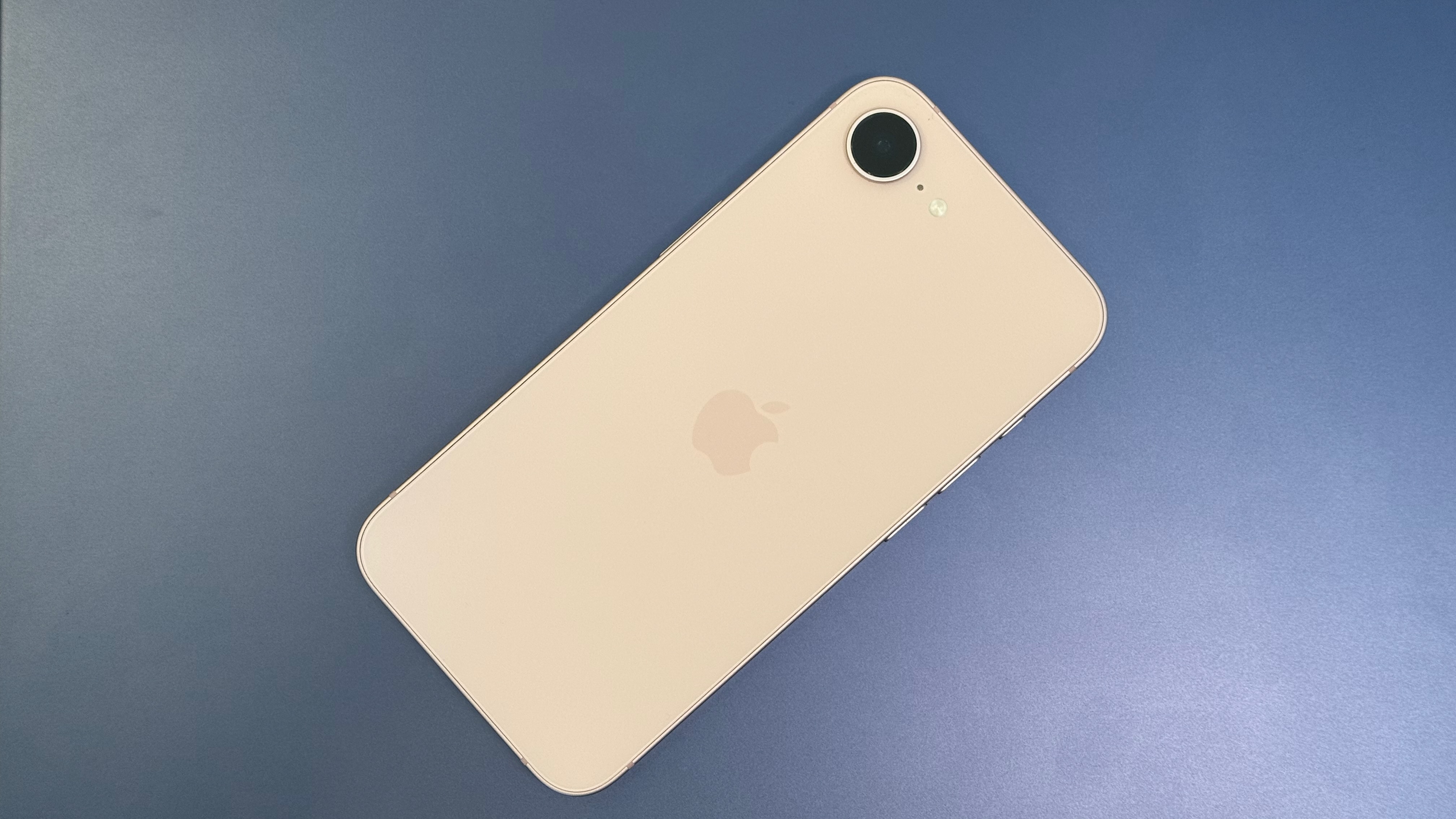
Photo: D. Griffin Jones/Cult of Mac
- iPhone 17e: Starts at $599 for 256GB
- iPhone 16: Starts at $699 for 128GB
Apple sells the iPhone 16 through its online store in the United States. Prices start at $699.
By comparison, the iPhone 17e — despite launching more than 1.5 years later and using a faster processor — starts at $599. And that’s for the 256GB model. Upgrading the iPhone 16 to 256GB will cost you another $100.
Outside the United States, you should find the iPhone 17e and iPhone 16 selling at similar prices.
The better iPhone depends on what you need
A cheaper price tag does not necessarily make the iPhone 17e a better buy over the iPhone 16. It certainly offers more value for money, especially since even the base model comes with 256GB storage. Plus, the faster A19 chip makes the iPhone 17e more future-proof.
However, the older iPhone 16 remains the better choice for customers who want more camera capabilities and a better overall, everyday experience. Its support for newer connectivity standards, a brighter display and faster charging all contribute to that advantage.
The iPhone 17e combines Apple’s latest processor with an older design and budget feature set. It’s a phone designed to last for years at a low price point. Now with support for MagSafe, it’s compatible with a wide range of charging stands and accessories.
- Most affordable new model
- Latest A19 chip
- MagSafe support
- Only one rear camera
- Older display

Rajesh has been writing about consumer technology for over a decade, with a strong focus on iPhones, Macs and Apple’s ecosystem. He enjoys digging into Apple software updates, hardware changes, and discovering new Mac apps that make work faster and more enjoyable.

