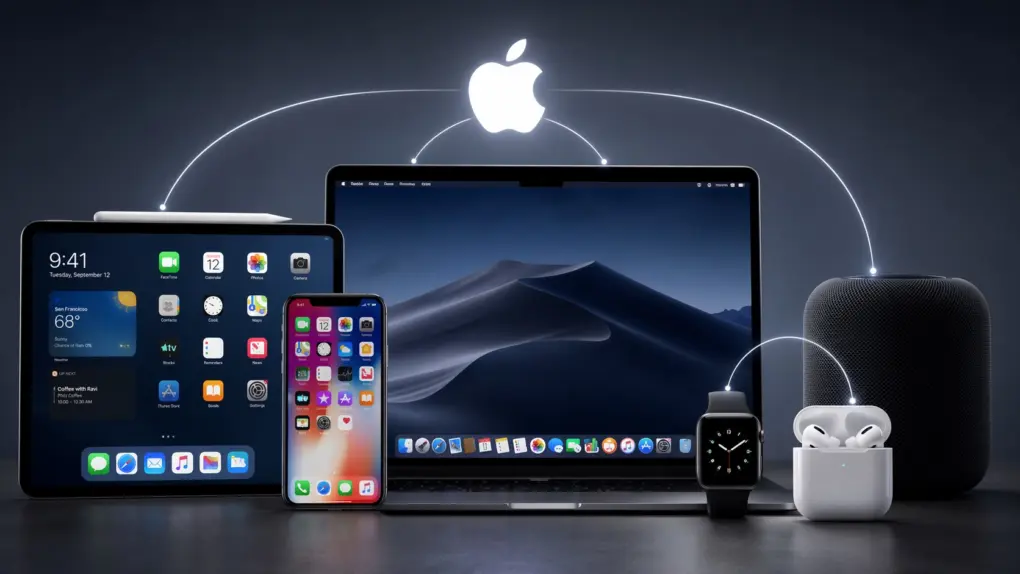
What makes the Apple ecosystem so alluring? Individually, the iPhone, iPad, Mac or Apple Watch might not be the best devices in their respective categories. Yet, when combined, they form one of the best ecosystems in the world.
It’s this Apple ecosystem — the so-called walled garden — that makes it almost impossible to ditch Apple devices. But what makes it so good?
5 reasons Apple’s ecosystem is almost impossible to leave
If you only use an iPad, iPhone or Mac, you might not realize just how powerful Apple’s ecosystem is. But once you start using multiple Apple devices, there’s no going back. In fact, you start taking the deep ecosystem integration for granted. It’s only when you step outside it that you realize how much it was doing for you.
This deep ecosystem integration is one of Apple’s most powerful lock-in techniques. Because of it, even if an Android phone might serve you better, you likely will end up sticking with an iPhone due to the ecosystem integration.
So, what makes Apple’s ecosystem impossible to leave?
Table of contents: What makes Apple’s ecosystem impossible to leave?
- The polished hardware
- Deep cross-device integration
- Aging gracefully
- iMessage and FaceTime lock-in
- The cost of switching
1. The polished hardware
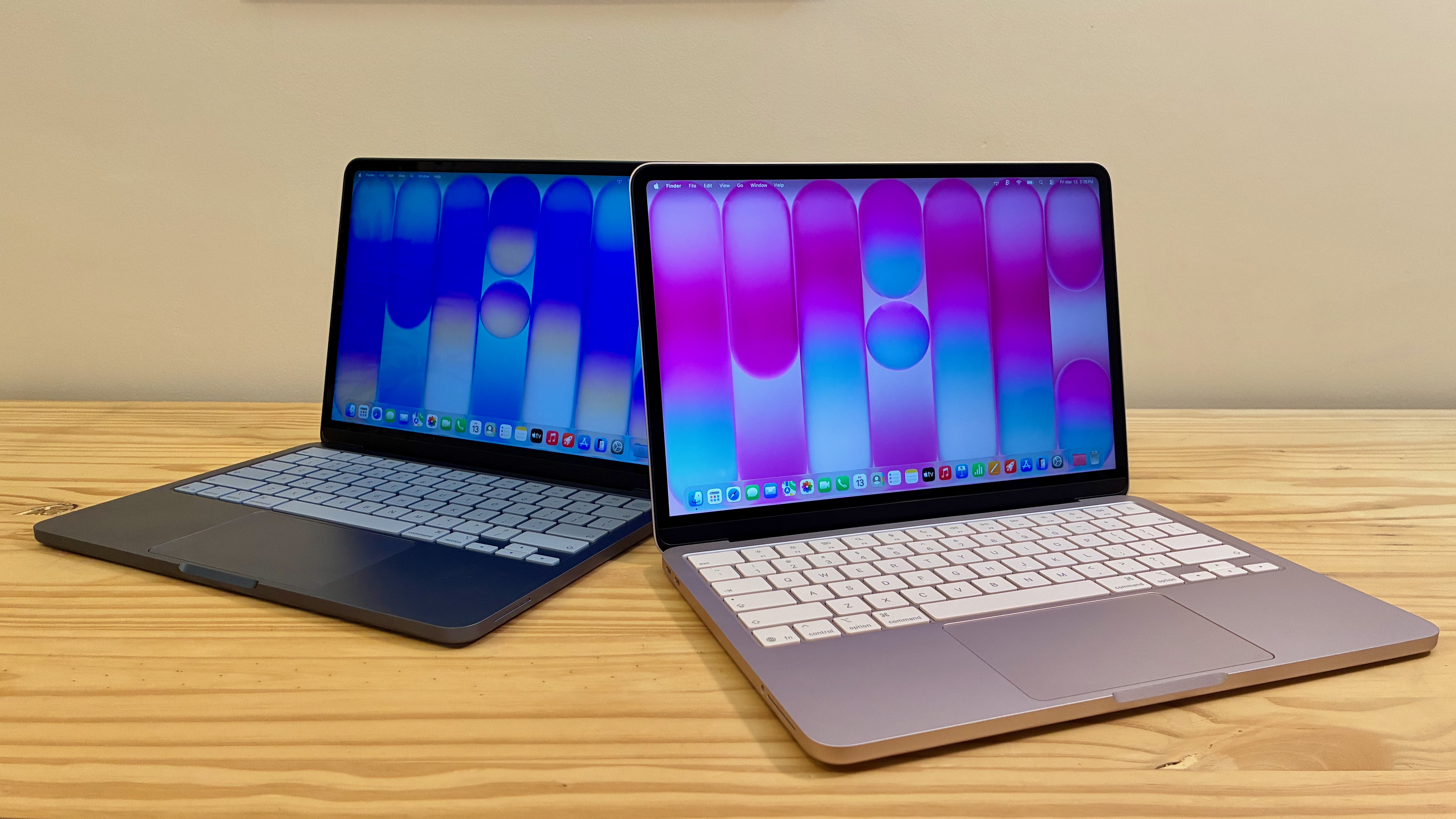
Photo: D. Griffin Jones/Cult of Mac
There’s one thing common across all Apple devices: excellent hardware and build quality. While this might not sound like a big deal, it’s actually incredibly difficult to replicate.
Buy an iPhone. Or an iPad. Or a Mac — even Apple’s affordable new $599 MacBook Neo. They will all impress you with their build quality. Forget cheap devices — even expensive Android phones can’t match the iPhone’s fit, finish and build quality after all these years.
Likewise, the MacBook Pro stands out for its build quality. Sure, there are more feature-rich and sleeker laptops out there. But none deliver the same premium in-hand feel and look as the MacBook Pro.
It’s not just about the build quality, either. Even after all these years, the MacBook Pro’s trackpad and speakers set the bar for the rest of the industry to follow.
It’s the same story with something as basic as the webcam. The MacBook’s webcam delivers image quality that most Windows laptops cannot match.
Even on the insides, Apple products are leaps and bounds ahead of the competition. After the transition to Apple silicon, Macs surpassed the best Windows hardware in both performance and efficiency. Similarly, iPhones dominate benchmarks thanks to the amazing performance of Apple’s A-series chips.
2. Deep cross-device integration
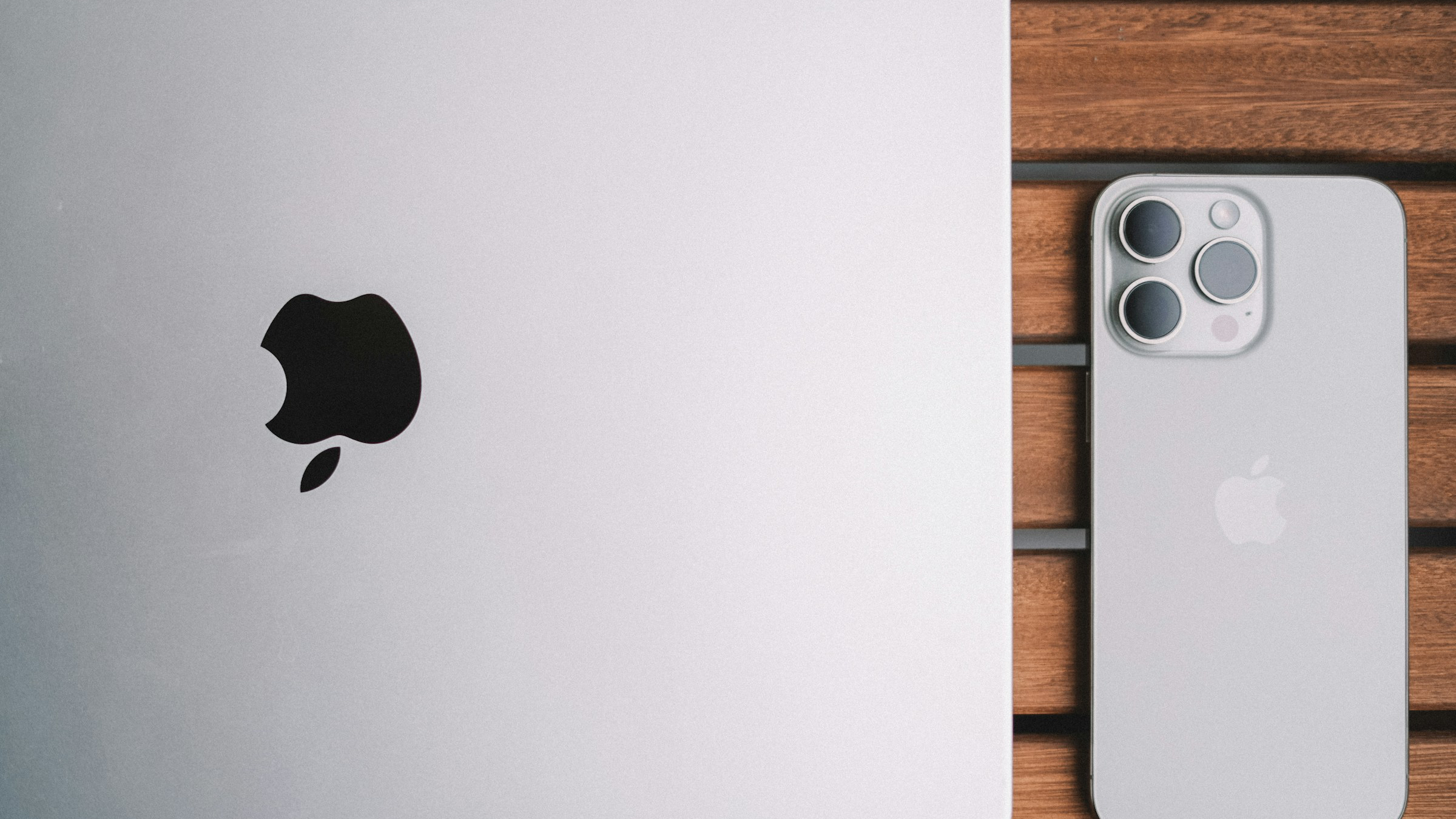
Photo: Lala
I don’t use an iPhone as my primary phone. But the Mac is my primary computing device. And I watch all my content on the iPad.
And yet, even without the iPhone — Cupertino’s hero device — I can’t give up on Apple’s ecosystem
I can copy text on my Mac mini and paste it into an app on my MacBook Pro. I can seamlessly share large files from my MacBook Pro to my iPad using AirDrop.
When traveling, I can use the iPad as a secondary screen for my MacBook Pro using Sidecar. I can start reading an article on my MacBook and seamlessly pick it up on my iPad after a few hours.
iPhone, Apple Watch, AirPods … you name it, it all works well together
iPhone integration takes things a step further. My Mac mirrors notifications from my secondary iPhone, so I don’t need to constantly check my phone. (See also: Everything you need to know about iPhone Mirroring on the Mac.)
I can also use the iPhone as a webcam for video calls on my Mac, thanks to Continuity Camera. This free feature delivers significantly better video quality than most built-in webcams.
If you use an Apple Watch, you can seamlessly unlock your Mac. My wife can’t give up on her AirPods because of how they magically switch between her iPhone and iPad.
It’s the same with other accessories, like the Apple Pencil and even MagSafe chargers. I can use the Apple Pencil to draw on my iPad and have it appear on my Mac instantly. It’s possible to use the Apple Watch’s MagSafe charging puck to top up the AirPods’ battery.
3. Aging gracefully
One underrated reason to stay within Apple’s ecosystem is how gracefully the company’s devices age. Despite its age, my M1 iPad Pro and M1 MacBook Pro still deliver a great experience. There are no major performance hiccups or slowdowns — something you can’t say about other platforms.
Similarly, my wife has no complaints about her Apple Watch Series 7. It still lasts more than a day on a single charge and tracks her key health metrics reliably.
This sort of longevity is something that other tech platforms struggle with. Most Android phones start lagging and feel outdated after a couple of years. And the less said about Wear OS watches, the better. Windows laptops are no better, with Microsoft only making matters worse by unnecessarily integrating Copilot into the OS wherever possible.
Apple also supports its devices for a long, long time. iPhones and iPads typically get at least six or seven years of OS updates with access to most major features.
The excellent resale value of Apple devices acts as another cherry on top. Yes, Apple devices command a premium. But they justify it with their longevity and resale value.
4. iMessage and FaceTime lock-in
Screenshot: D. Griffin Jones/Cult of Mac
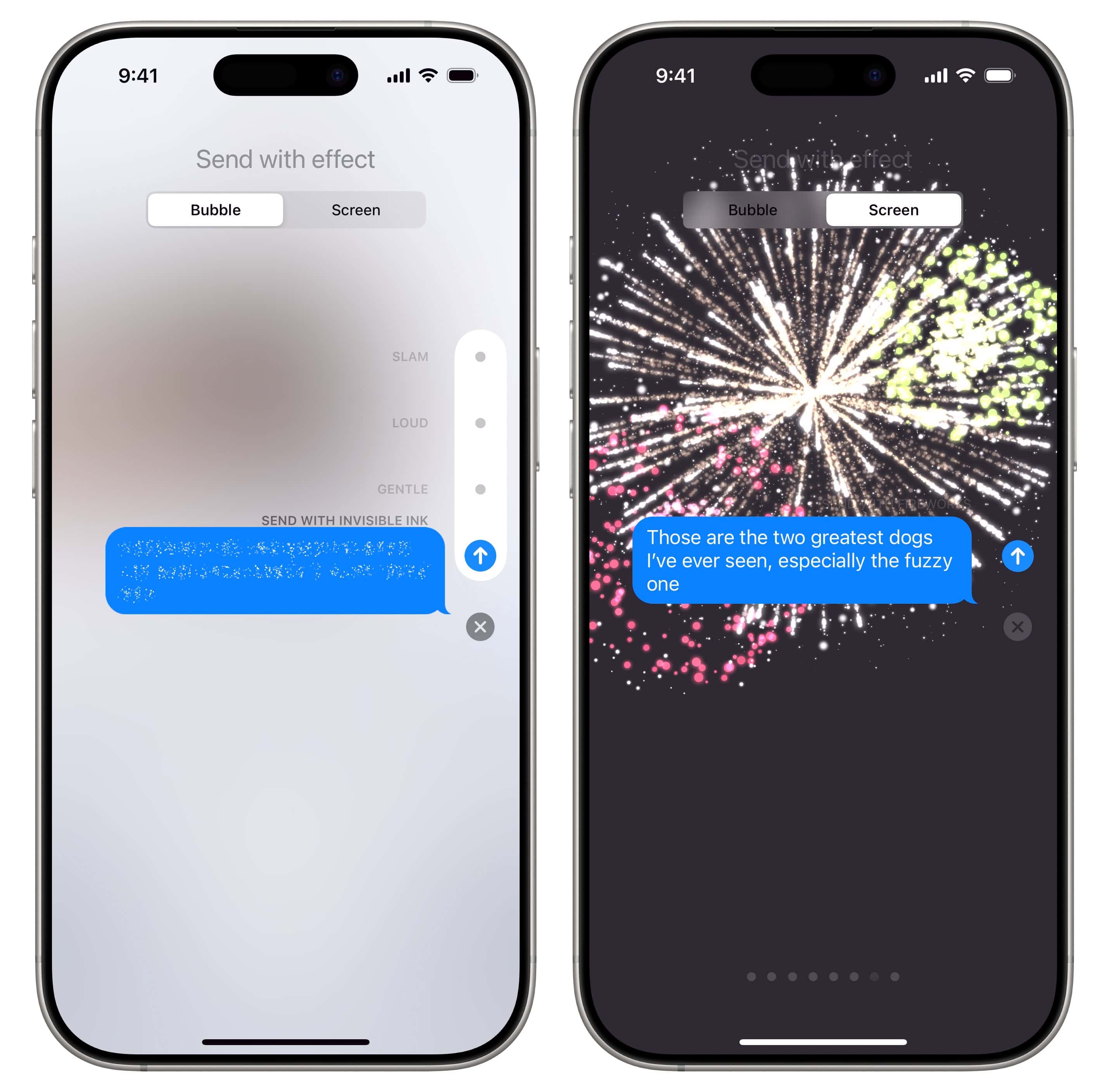
The iMessage lock-in is real and incredibly effective. While Google is trying to bridge this gap with Rich Communication Services, iMessage serves as one of Apple’s strongest ecosystem hooks.
Your friends, family and colleagues already use iMessage. Moving away from an iPhone to Android would not just be about changing your phone. It would mean changing how you communicate with people. And that’s easier said than done.
While cross-device RCS helps, the experience is nowhere near as good as iMessage. RCS group chats are another mess altogether.
Yes, you can use WhatsApp, Telegram and even Signal on all kinds of devices (including Apple’s). But none of them integrates as deeply with iOS as iMessage. In the United States, at least, there’s no replacement for iMessage.
FaceTime is another great example of one of Apple’s services acting as an ecosystem lock-in.
You can do video calls on WhatsApp or Telegram, or use Google Meet. But the way FaceTime integrates with iOS is so seamless that it’s hard to give up on it, especially once you get used to it.
5. The cost of switching
There’s another hidden Apple ecosystem lock-in that you may not have even considered: the cost of switching.
If you switch from an iPhone to Android, you lose access to all your paid apps, games and accessories. Similarly, if you switch away from Mac to Windows, you risk losing access to all your paid apps, subscriptions and accessories.
You have gotten used to Apple Music, Podcasts, Apple TV and/or your HomePod. None of them will work as well (if at all) on Android or Windows.
Switching away from iPhone or Mac means rebuilding your workflow from scratch. You must find alternatives, set them up, and then adjust accordingly. And even then, the experience will rarely feel as seamless as using all Apple devices.
This is just one of the many hidden ways Apple’s ecosystem locks you in. The cost of leaving is so high that sticking to it becomes the easier and only choice.
Conclusion: Apple’s ecosystem is very difficult to leave
From the outside, Apple’s ecosystem lock-in may not appear that difficult to leave. But once you are inside it, the company traps you in with seamless and deep integration among its devices, premium hardware and excellent software.
Admittedly, none of this is bad. Apple doesn’t force you to stay. It simply makes leaving the Apple ecosystem feel like a step backward. If anything, that’s a testament to how well the company’s ecosystem works.

Rajesh has been writing about consumer technology for over a decade, with a strong focus on iPhones, Macs and Apple’s ecosystem. He enjoys digging into Apple software updates, hardware changes, and discovering new Mac apps that make work faster and more enjoyable.