 Looking back over Apple’s first 50 years, it’s clear what the company’s greatest talent is: turning rivals’ niche products into mainstream hits.
Apple proves adept at releasing new products in categories that looked like failures because customers simply lacked interest. But then Apple figured out what its competitors were doing wrong and released its own versions that quickly became iconic.
Here are five examples of Apple turning other companies’ fiascos into triumphs.
Apple: Not the first, but definitely the best
Apple often faces criticism for not immediately jumping into every new product category. This comes from people who do not understand how Apple works.
Take the foldable phone, for example. The original Samsung Galaxy Fold launched in 2019, but Apple has yet to release one. (We expect the first folding iPhone to arrive this fall.)
Many people wonder why Apple is developing a foldable at all. The ones manufactured by other companies remain seriously flawed, and the category makes up maybe 2% of the global market.
The following five examples show that this is exactly where Apple excels. Time after time, Cupertino turned others’ niche products and failures into huge piles of cash.
The iPhone
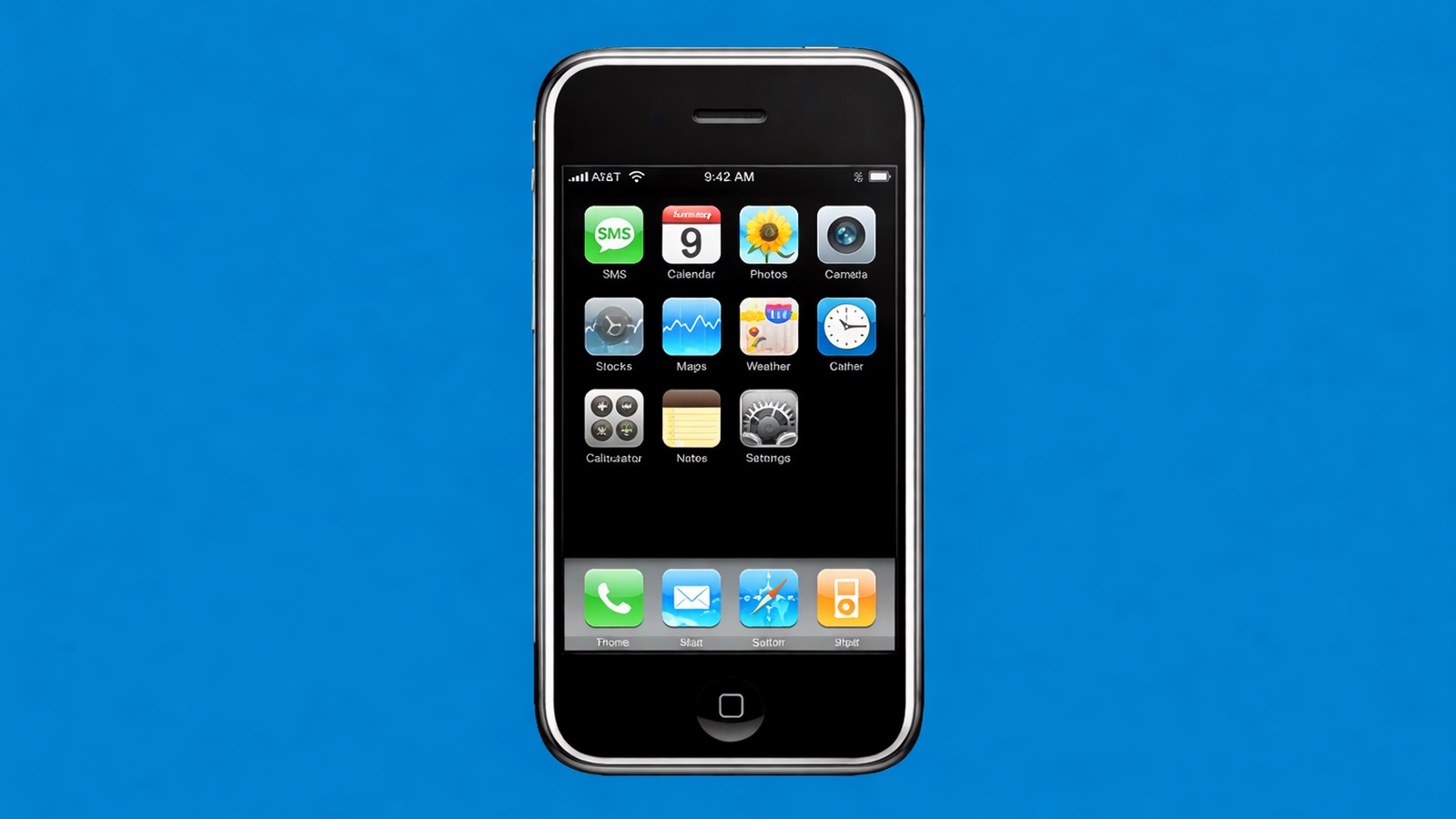
Photo: Apple/Cult of Mac
The iPhone certainly wasn’t the first smartphone. Not even close — that honor goes to the IBM Simon, from way back in 1994. But the smartphone remained a very niche product category for more than a decade. In 2006, maybe 2% to 3% of all handsets fell into the category.
That’s because almost no one wanted a smartphone. Even the original iPhone, which arrived in 2007, struck many as too radical.
Consider this review from The Guardian: “Apple’s iPhone combines a phone, music and video player with web and email capabilities, but researchers found demand for these converged devices was lowest in affluent countries.”
However, once people got a chance to use an iPhone, their attitudes changed. By 2012, smartphones made up about 40% of all handsets sold. And today, Apple sells more smartphones than any rival.
How? Apple nixed the physical keyboard that virtually all smartphones used before the iPhone. That made room for a larger screen that users loved. With no stylus needed!
To be fair, the launch of Android in 2008 helped spur the adoption of smartphones. But because Google stole much of the design for its mobile OS from the iPhone, and device makers copied the hardware, Android’s success really serves as further proof that Apple revolutionized the smartphone product category.
The iPad
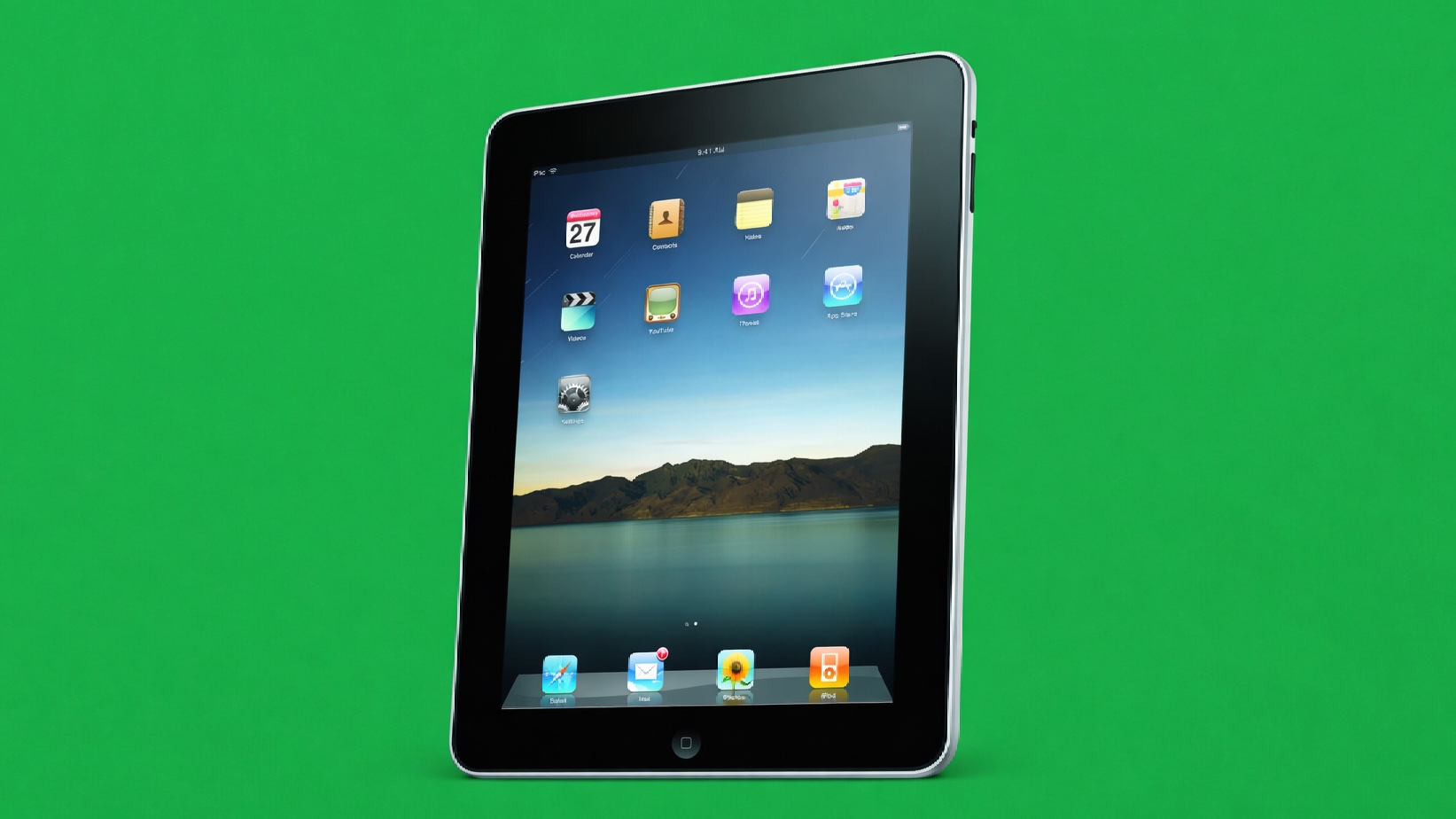
Photo: Apple/Cult of Mac
Apple didn’t invent the tablet. Anyone who watched Star Trek in the 1980s saw Captain Picard using a PADD. And the for-real GridPad 1900 launched in 1989.
But the product category was barely there, with perhaps half a million sold in 2009. Virtually none of those early tablets went to consumers. Few people seemed interested in those thick, heavy computers that required a stylus and cost a mint.
Then, of course, the iPad launched in 2010 — and about 20 million tablets sold that year! By 2013, the total soare to around 200 million. The immediate success is understandable. The slim iPad sparked a revolution. And at just $499, it was an affordable revolution.
The iPod
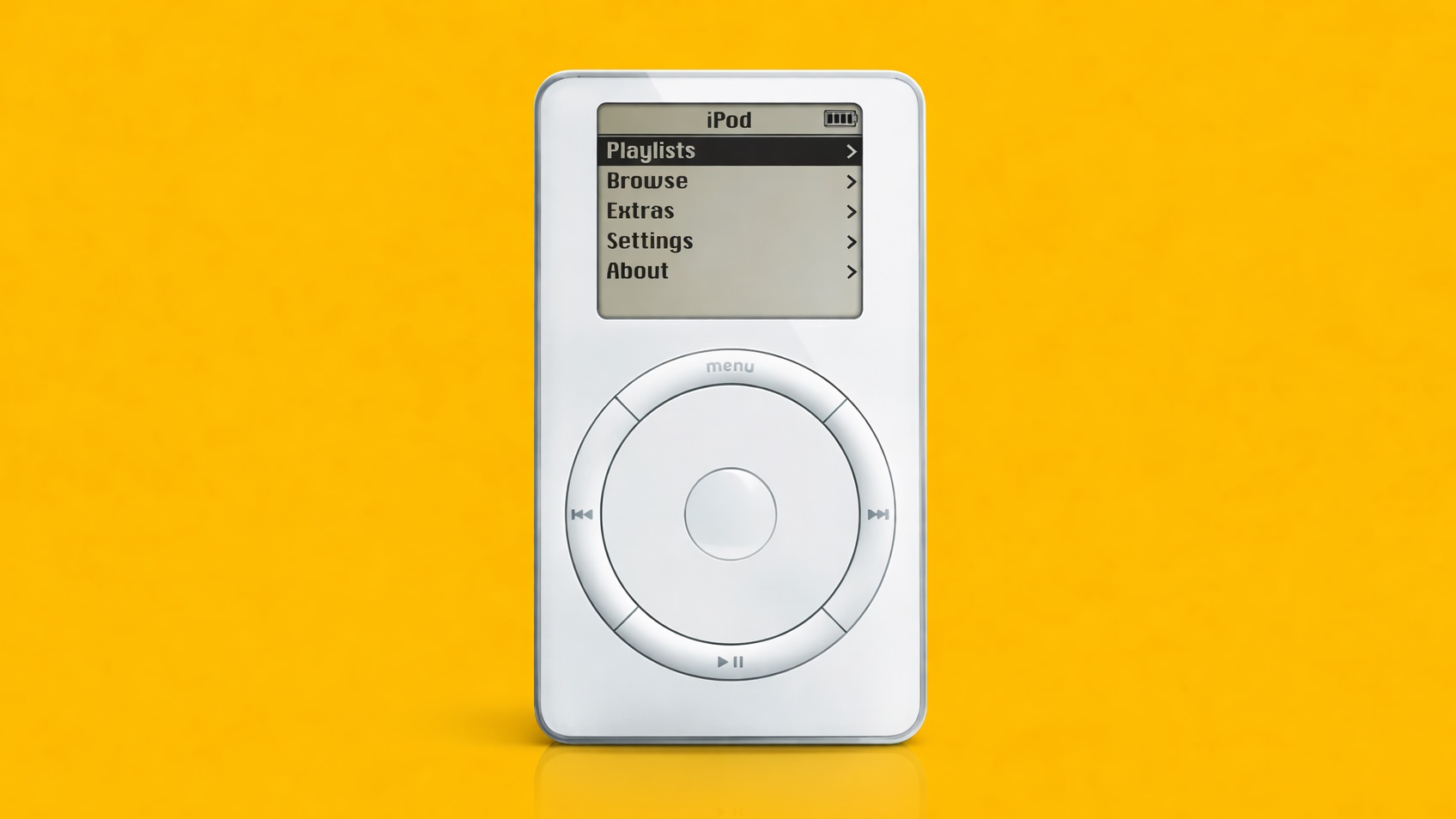
Photo: Apple/Cult of Mac
The first MP3 player to experience any commercial success was the Diamond Rio PMP300 in 1998. And by “success,” I mean about 400,000 of them sold in total. It was very much a niche product.
But Apple saw potential in the category and launched the first-gen iPod in 2001. By 2005, Apple had sold more than 30 million of them.
The appeal of the iPod came from its much larger capacity compared to competitors’ products. The Rio held about 10 songs, while the first iPod famously put “1,000 songs in your pocket.” With that much difference, customers didn’t care that the iPod cost twice as much as the Rio.
The PowerBook 100
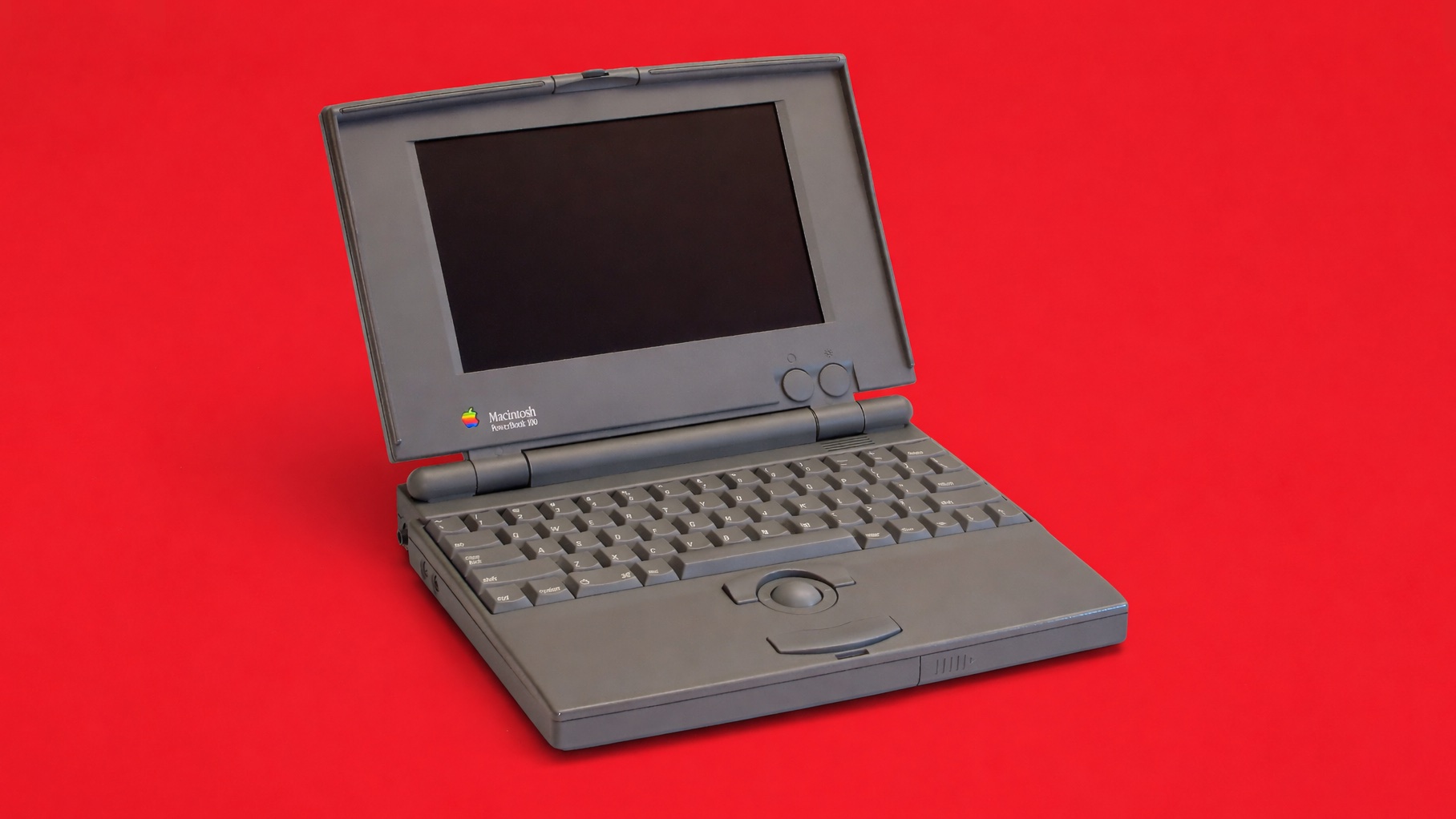
Photo: Wikipedia/Cult of Mac
The basic design of every MacBook, every Chromebook and every Windows laptop comes directly from the PowerBook 100, which Apple released in 1991.
Before it arrived on the scene, portable computers came with their keyboards right at the front and a pointing device (if any) stuck on the side. Apple moved the keyboard back, making room for the palm rest and a pointing device centered below the keys. That might seem obvious now, but at the time it was a radical usability breakthrough. It made laptops comfortable instead of cramped.
More than that, the PowerBook 100 was thin and lightweight (for its time). Plus, it ran Macintosh System 7 and performed quite well. It showed us that we could work anywhere — we didn’t need to remain tied to a desk. The world hasn’t been the same since.
The Macintosh
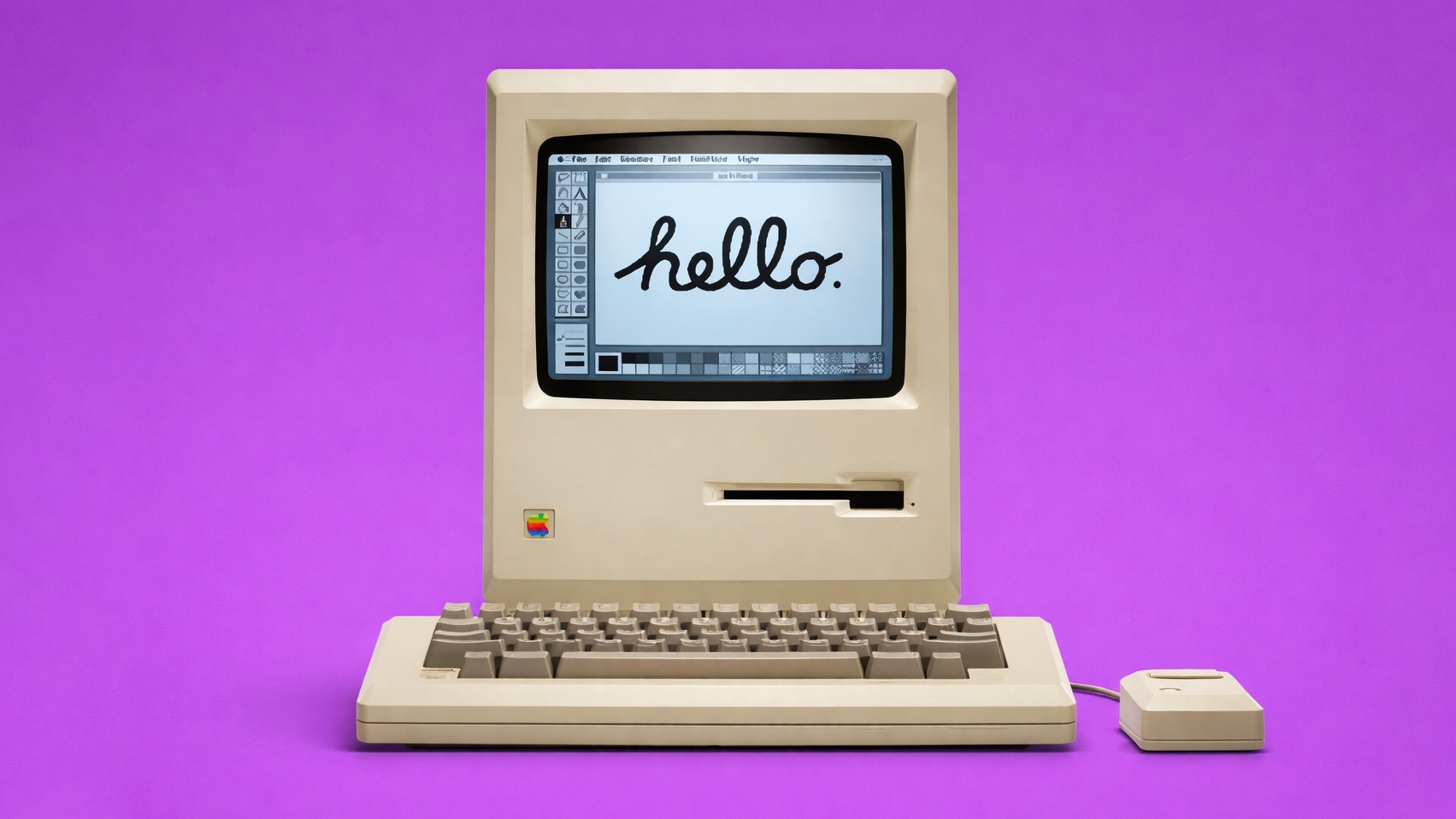
Photo: Apple/Cult of Mac
Those who weren’t around in the early 1980s might be unaware of just how user-hostile computers used to be. DOS and command-line interfaces are not easy to learn or use. The computer revolution wasn’t going to happen unless something better came along.
In 1984, Apple launched the original Macintosh with a graphical user interface. Suddenly, the user could grab a mouse and point and click. We went from typing in “copy file.txt a:\” to drag-and-drop simplicity.
The change proved so profound that Microsoft decided to “borrow” it. Windows got layered over MS-DOS, and soon, GUIs were on every desktop and laptop. Today, they’re everywhere, from smartphones to TVs.
Apple Watch, AirPods, AirTags … and more
You’re probably starting to see the pattern here. Companies make a product that’s not catching on. Then Apple figures out what those other companies are doing wrong and releases a version of the product that sells by the million.
It did that with Apple Watch, AirPods and AirTag in the last decade or so. And it’ll keep it up.

Ed Hardy has been writing full-time about tech for 25 years, and using it for much longer than that. His intro to Apple was a Macintosh SE/30 (which he still has), but now he uses a 13-inch iPad Pro as his primary computer.
That’s because he’s a “tablet first” type of guy. Rather than use a Macbook, he connects a keyboard case to the iPad. And instead of a desktop Mac, he connects his tablet to a 27-inch display and full-size keyboard. (So don’t try to tell him that everyone has to use a Mac to be productive.)
Before coming to Cult of Mac, Ed wrote for NotebookReview, TabletPCReview and Brighthand, as well as other sites.

