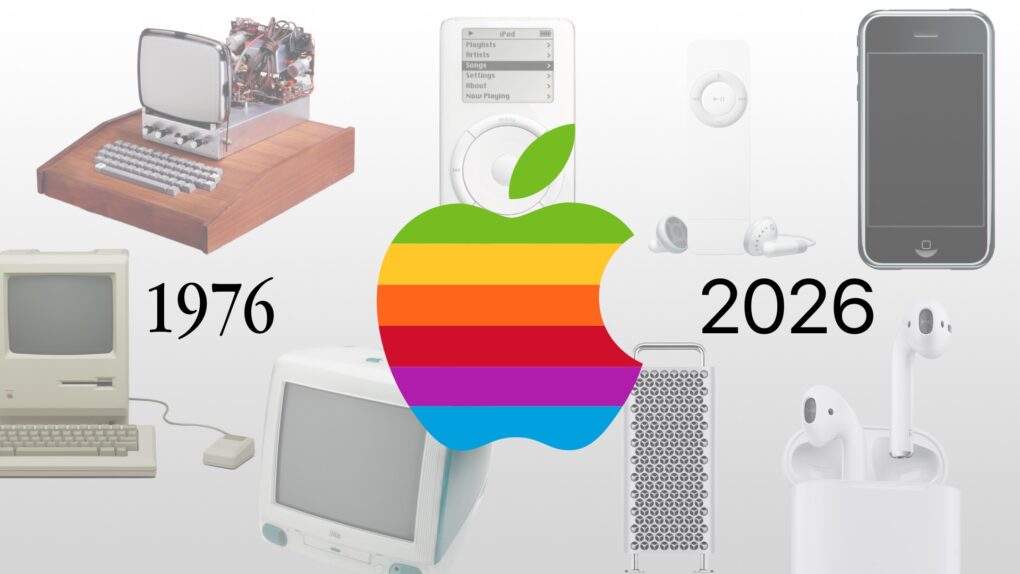
 As Apple turns 50, it’s worth looking back on the company’s greatest accomplishments and lowest moments through history. If you don’t have time for David Pogue’s 600-page epic, Apple: The First 50 Years, maybe you can spare eight minutes to relive the single biggest piece of Apple news every year.
You can watch 50 years of Apple announcements compressed into a single video. Or, keep reading below for a quick rundown.
The most important Apple announcement every year
No other company has changed the world as radically — or as many times — as Apple.
Apple kicked off the personal computer revolution in 1977, reinvented the personal computer in 1984, invented the modern laptop in 1991, transformed the music industry in 2001, put a powerful computer in your pocket in 2007, and fit a hospital on your wrist in 2015.
It’s a remarkable series of hits. Watch the highlight reel here:
Table of contents: The most important Apple announcement every year
The 1970s
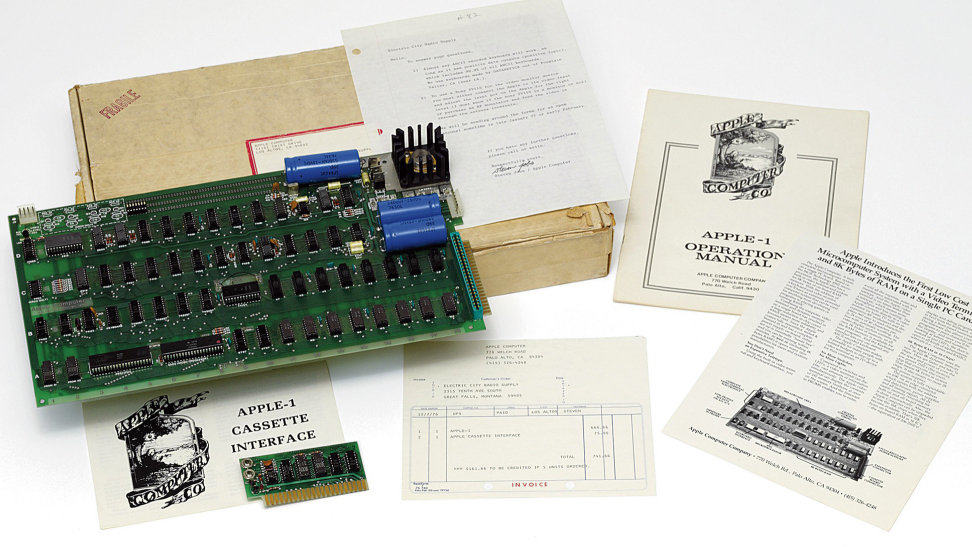
Photo: Christie’s
1976: Apple releases the Apple 1 computer. Thanks to clever engineering by Apple co-founder Steve Wozniak, it’s a full computer on a single small circuit board — although you need your own monitor, keyboard and case. The freshly founded company makes about 200 of its original computers.
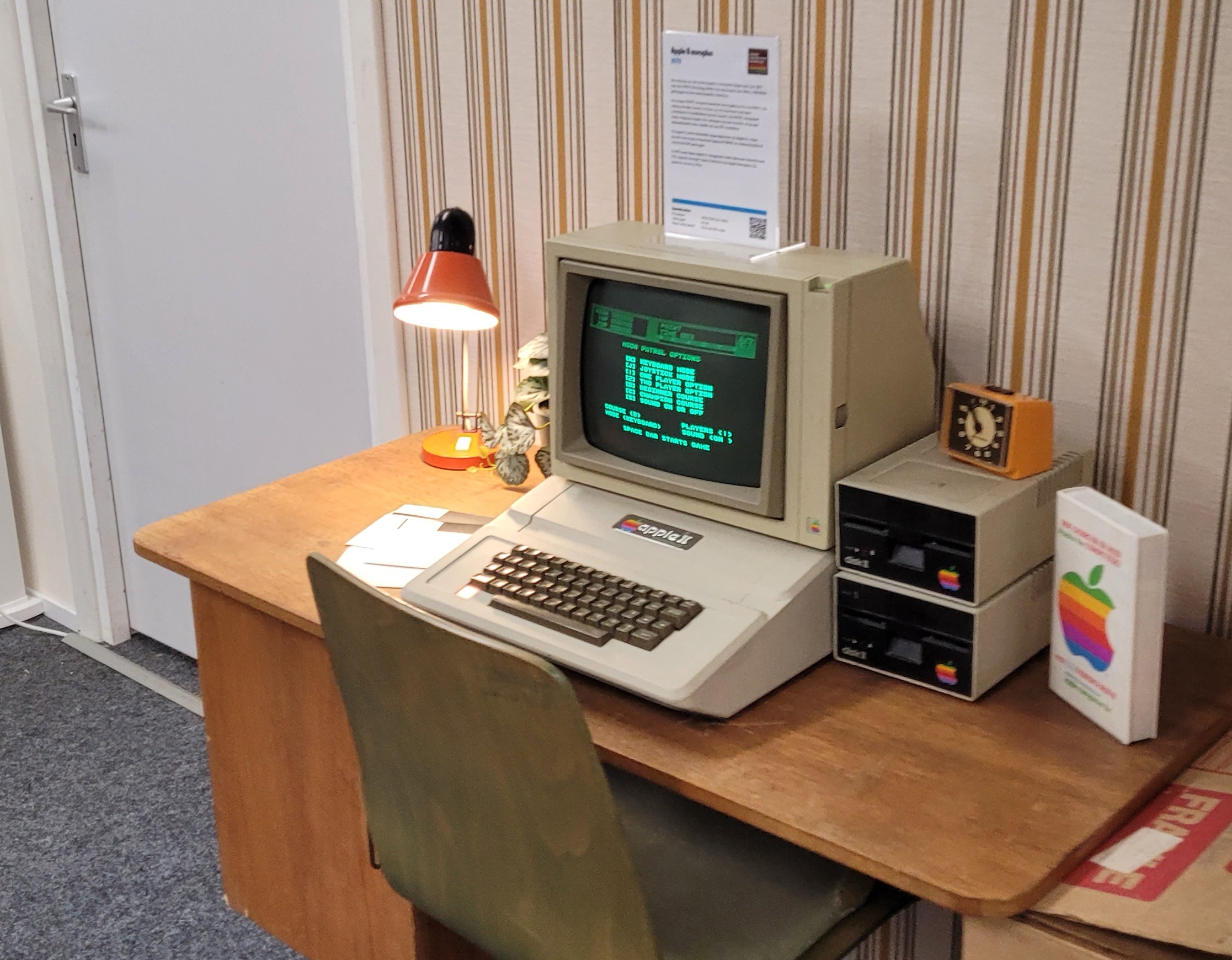
Photo: Prolete, CC0, via Wikimedia Commons
1977: Apple releases the Apple II computer, a more complete system with a built-in keyboard and a modern plastic case. Apple wanted to make it look as approachable and friendly as a telephone. The Apple II packs full-color graphics, too.
1978: The Disk II floppy disk drive, a much-needed accessory, arrives. Previously, the Apple II relied on cassette tapes — cheap, but also slow and unreliable.
1979: Spreadsheet software VisiCalc becomes the Apple II’s first “killer app.” The ability to freely fiddle with numbers, and see instant calculations and projections, proved a game-changer for small businesses and managers. Many people bought a complete Apple II system just for VisiCalc.
The 1980s
1980: The Apple III misses the mark. Its fanless design, cast-metal case and complex engineering led to significant overheating problems and failures. It failed to reach a large customer base.
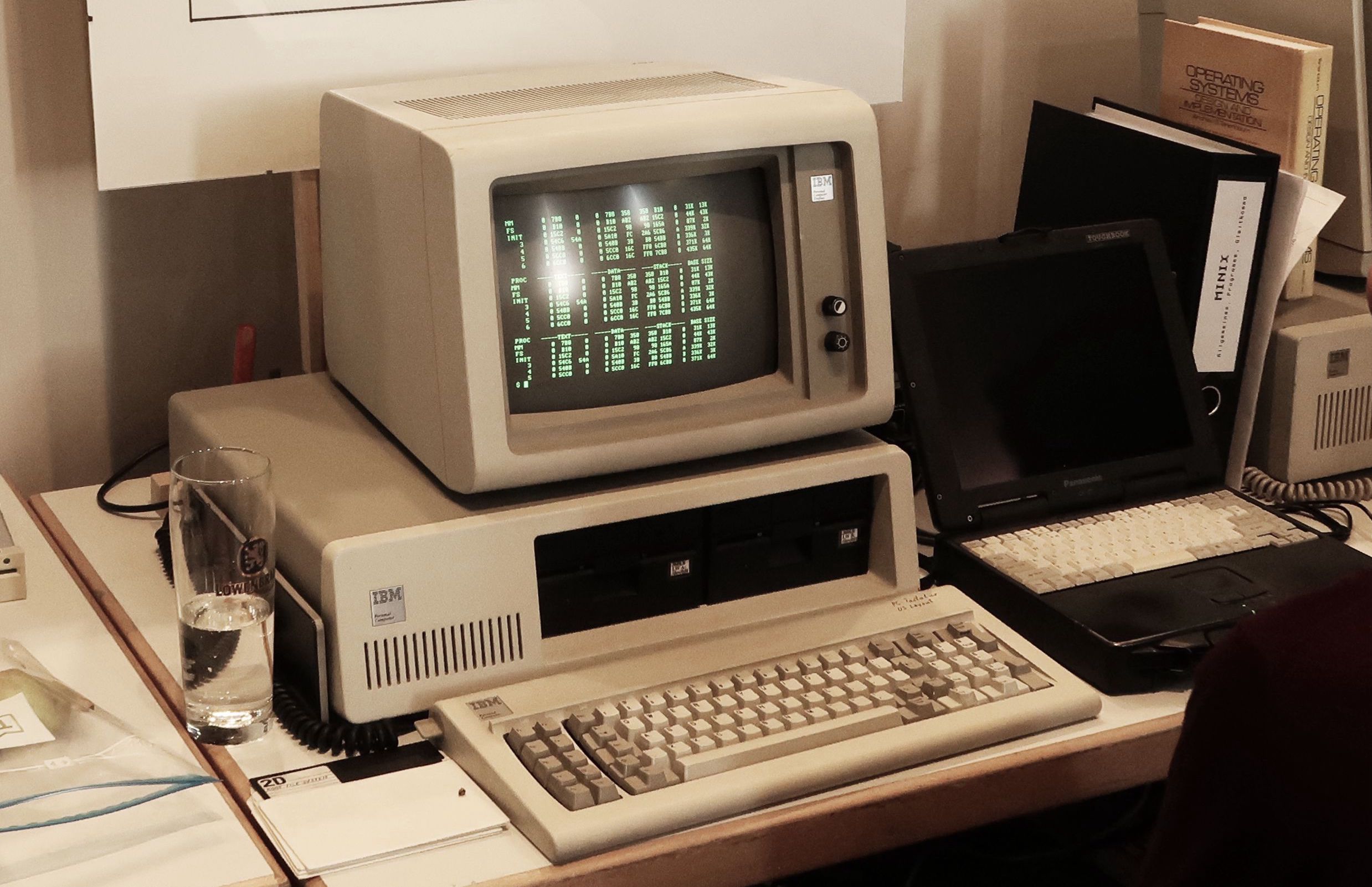
Photo: Wolfgang Stief from Tittmoning, Germany, CC0, via Wikimedia Commons
1981: Apple squares off against International Business Machines, a new competitor in the personal computer market. IBM — a juggernaut of the business world, a market Apple would always struggle to penetrate — put together its Personal Computer with as many off-the-shelf components as possible. This kick-started a wave of cheap PC clones that quickly took over the industry.
1982: Apple tries to differentiate itself from the IBM PC with Apple Business Graphics, an Apple II program that makes full-color charts from VisiCalc spreadsheets.
1983: The Apple Lisa becomes the company’s first computer with a graphical user interface and mouse. It comes with a full suite of business software: project management, spreadsheets, documents and graphics. The powerful multitasking system also packs an astronomical price tag — $9,995.
Here comes the Macintosh
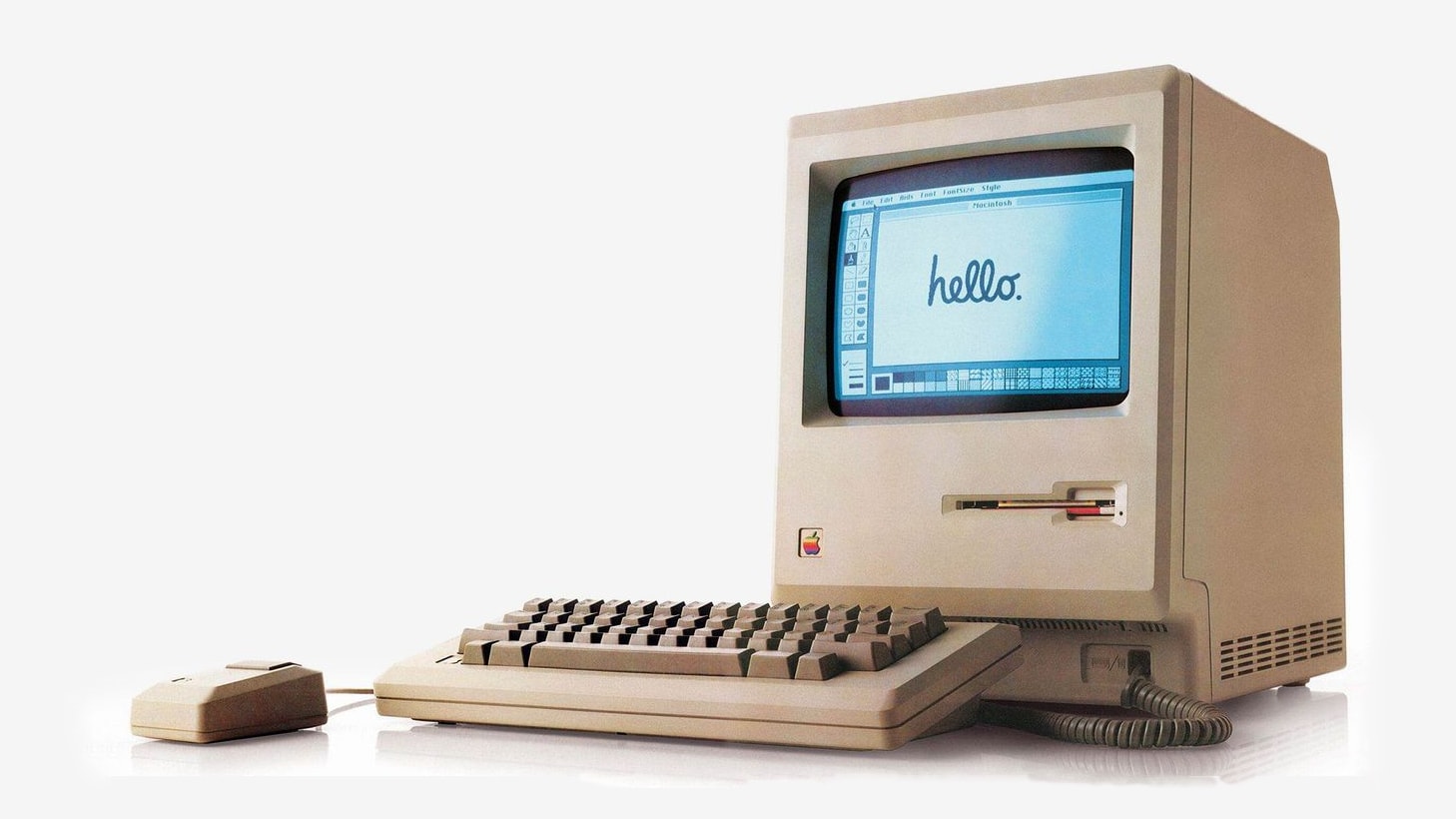
Photo: Apple
1984: Apple releases the Macintosh. Although the Lisa computer was more powerful, the Mac cost a fraction of the price. It also benefited from a more refined user interface, a friendlier design and a brand-new 3.5-inch floppy disk drive from Sony. Apple quickly rolled out successors with more RAM, better disk drives and internal storage.
1985: Sales of the Macintosh slow to a crawl after the initial fervor surrounding its release. The Apple II, the most popular computer in schools nationwide, continues to serve as Apple’s cash cow.
1986: The Apple IIGS brings higher-resolution graphics with more color, as well as enhanced sound capabilities. With a 16-bit processor, it even utilizes a Mac-like desktop interface.
1987: The desktop publishing revolution is in full swing. With a Macintosh, Apple LaserWriter printer and Adobe PostScript fonts, anyone can print professional-looking books, newspapers, zines and more.
1988: Apple produces a three-minute CGI short film, Pencil Test, using the powerful new Macintosh II — 28 of them, actually.
1989: The Macintosh Portable is Apple’s first attempt at making a Mac to go. Weighing 15 pounds and measuring 4 inches thick, “portable” seemed a little generous. However, it did boast a 10-hour battery life.
The 1990s
1990: The Macintosh LC starts a new line of affordable Macs with color screens. Its slim, “pizza box” design fits comfortably under a monitor.
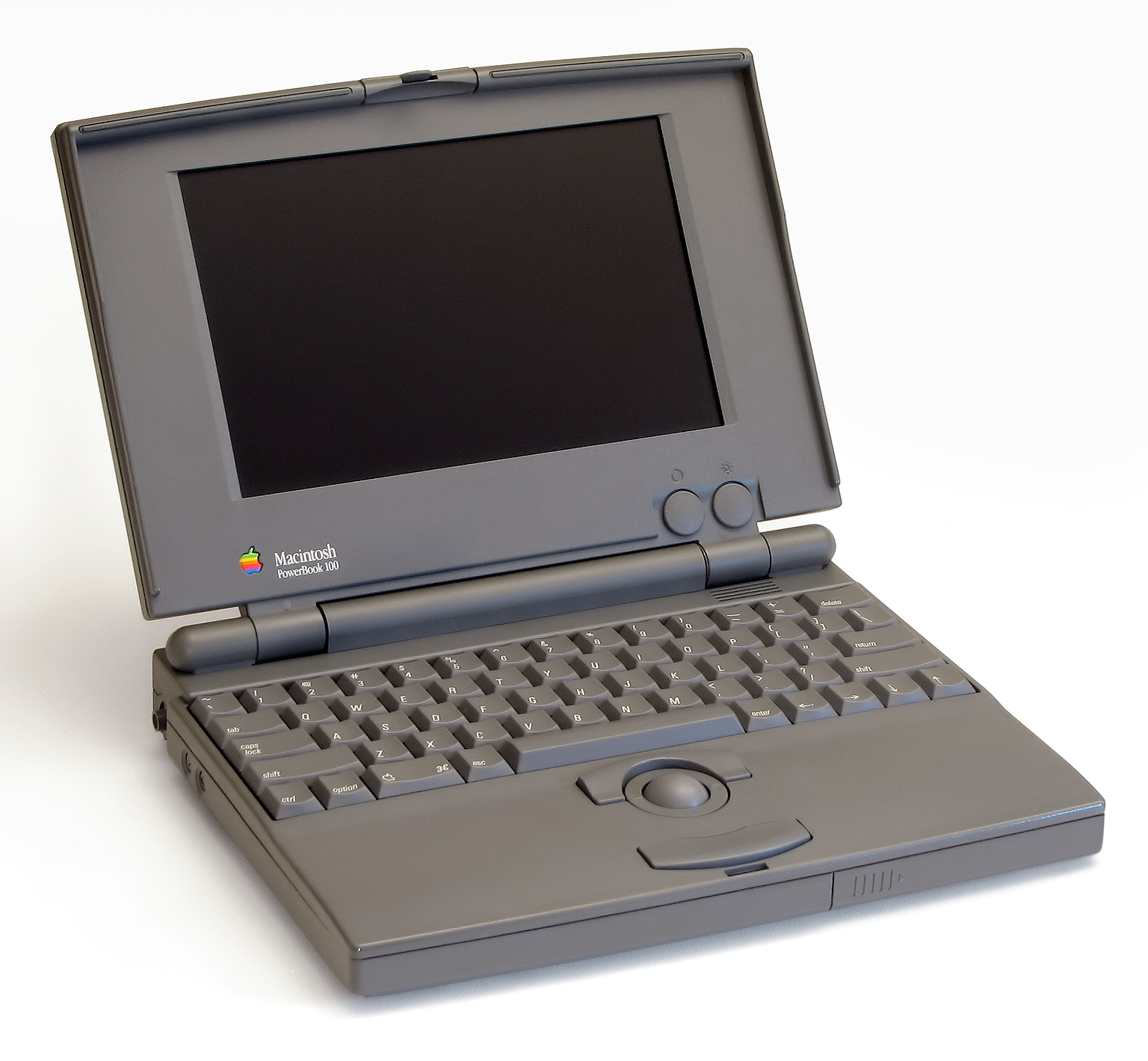
Photo: Danamania/Wikipedia CC
1991: The PowerBook 100 invents the modern laptop layout. Pushing the keyboard to the rear gives you palm rests, and your thumb can easily reach the trackball. It becomes a runaway success.
1992: Apple releases the PowerBook Duo, a smaller, lighter laptop optimized for portability. When used alone, it lacked certain features due to a paucity of ports. But at your desk, you could slide the closed laptop like a VHS tape into Apple’s Duo Dock, which offered connections for a full-color monitor, disk drives, ports, expansion slots and additional compute power.
1993: The Newton MessagePad is Apple’s first PDA — a precursor to the smartphone. It can take notes and drawings using a stylus, send faxes, store contacts and calendar events, and sync to a Mac. The first version faces widespread ridicule for its poor handwriting recognition.
1994: The first Power Macintosh computers switch from Motorola’s aging 680×0-series chips to PowerPC processors. Designed in a joint venture with IBM and Motorola, the new chips outperform the Intel 486 and Pentium processors — despite lower clock speeds.
The PC dominates
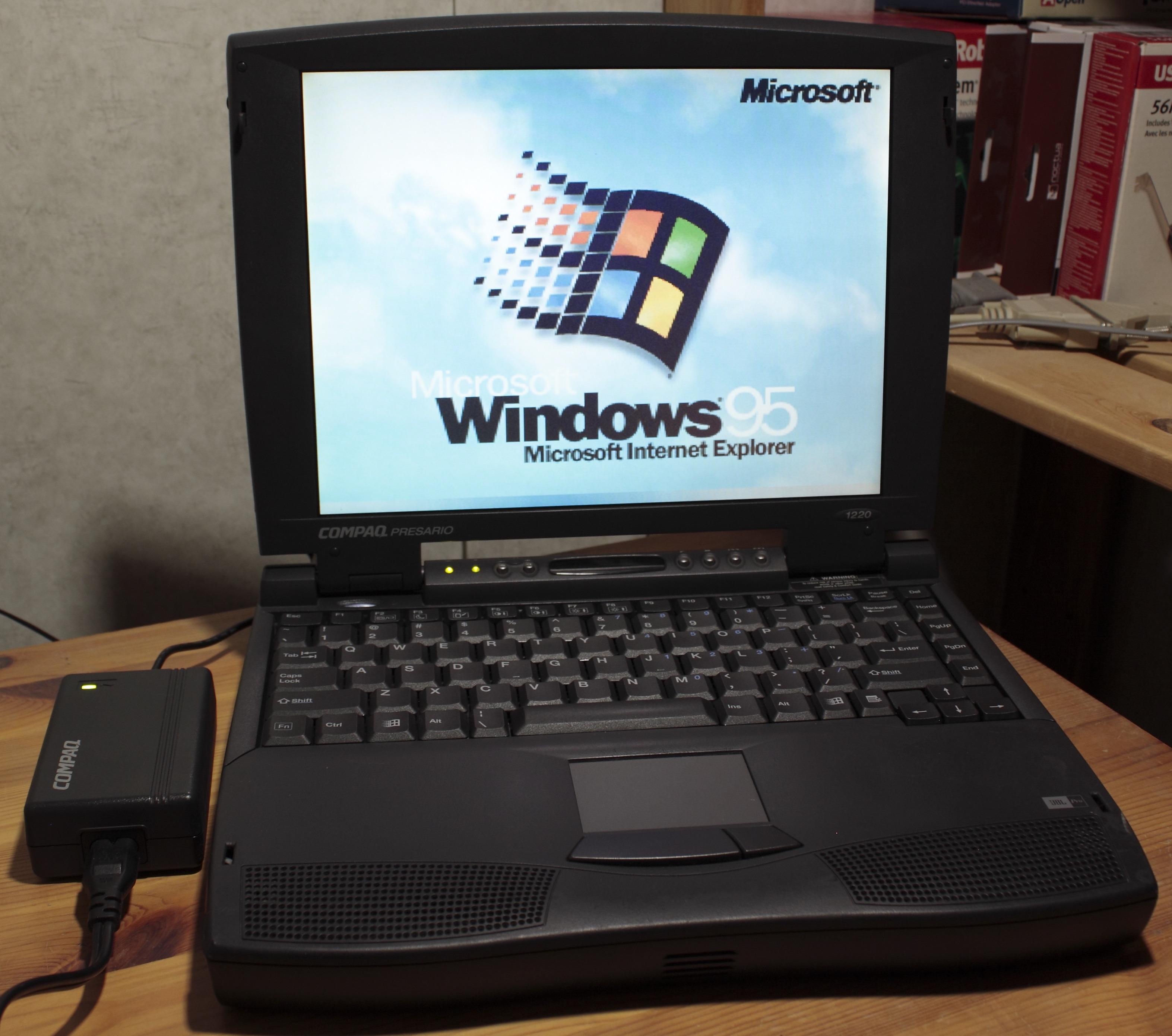
Photo: Pirozhkebab, CC BY-SA 4.0, via Wikimedia Commons
1995: Microsoft’s huge advertising and marketing campaign turns Windows 95 into a sensational launch. It’s another nail in the coffin for Apple’s dwindling computer market share.
1996: Apple’s last-ditch effort to spur Mac sales comes in the form of a $15 million marketing campaign tying the computers to blockbuster movies, Mission: Impossible and Independence Day. At its lowest point, Apple is 90 days from bankruptcy.
1997: Following the acquisition of NeXT and Steve Jobs’ return to Cupertino, Apple comes back with a clear marketing message that hearkens to the company’s roots. Apple is for people who Think Different.
1998: The original iMac signals a true reinvention of the Mac. It brings the power of the internet (and simple plug-and-play USB ports) to the masses. And its stunning blue, transparent chassis shakes up the beige PC world.
1999: The iBook laptop is an iMac-to-go, with an equally curvy and colorful plastic shell. It’s the first computer with Wi-Fi, marketed by Apple at the time as “AirPort.”
The 2000s
2000: The Power Mac G4 Cube shrinks Apple’s pro desktop computer into an 8-inch cube. It looks remarkable, with a clear acrylic case covering a metallic framework. However, the stunning design proves problematic. The fanless computer suffers from overheating and other problems.
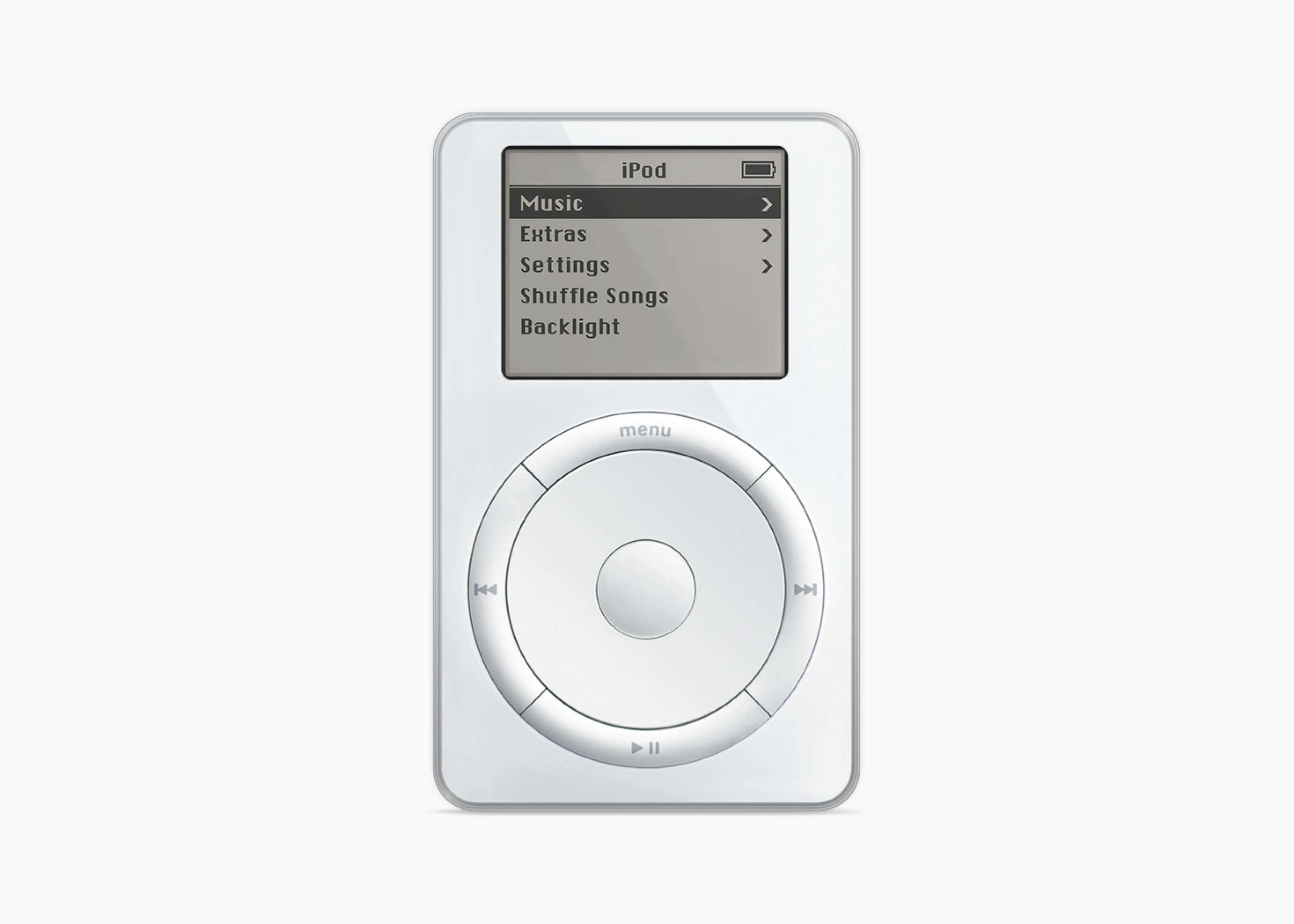
Photo: Apple
2001: Apple launches the iPod and ushers in a digital music revolution. The compact device contains a small hard drive that enables owners to put 1,000 songs in their pockets — and take them wherever the go.
2002: The iMac G4 brings a flat-panel screen to the all-in-one in style. The display floats above the dome-shaped computer, connected by a shiny steel arm that articulates, swivels and swings any which way you want.
2003: The PowerBook G4 comes with a gigantic 17-inch screen, the same panel as the desktop iMac G4. It’s a real mobile workstation. And it comes with a 12-inch little brother, Apple’s smallest laptop yet.
2004: The iMac G5, inspired by the iPod, puts the computer’s guts inside its screen. The chunky bezels and Jay Leno chin are more eyesore than eye-catching, but the all-in-one computer sets the template for the next 20-plus years and counting.
2005: Apple kills the wildly successful iPod mini and introduces the iPod nano. It holds less music, but its flash storage makes it absolutely tiny. Apple sells more iPod nanos than all previous iPods combined.
2006: After announcing the transition from PowerPC to Intel processors the year prior, the first Intel Macs ship: an iMac, the new MacBook Pro and the Mac mini. In April, Apple releases Boot Camp, software that lets you install and boot Windows XP on your Mac.
Apple’s greatest hit of all time
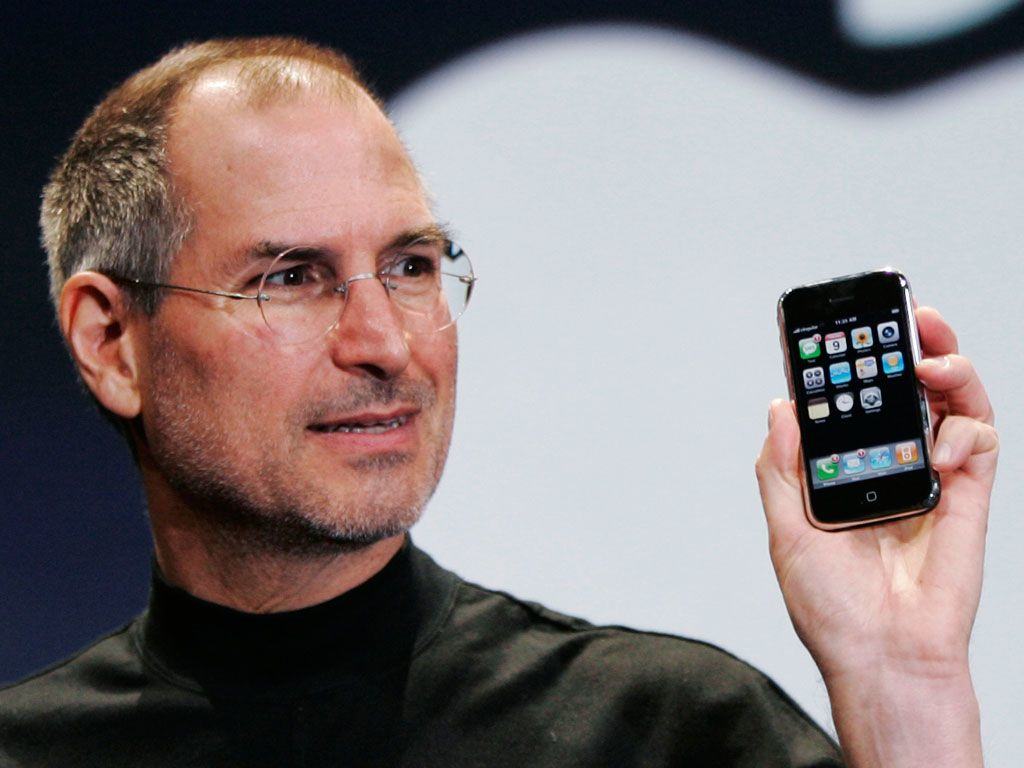
Photo: Apple
2007: The first iPhone reinvents the smartphone. Steve Jobs introduced it as three revolutionary products in one: a widescreen iPod with touch controls, a revolutionary mobile phone, and an internet communicator — “the ultimate digital device.” It will become perhaps the most influential consumer product of all time.
2008: Steve Jobs pulls the MacBook Air out of a manila envelope. While the first version is pretty compromised and slow, the MacBook Air eventually sets the standard for thin and light laptops across the computer industry.
2009: The iPod nano arrives in a rainbow of colors. The built-in video camera aims to take on the popular Flip Video cameras of the day.
The 2010s
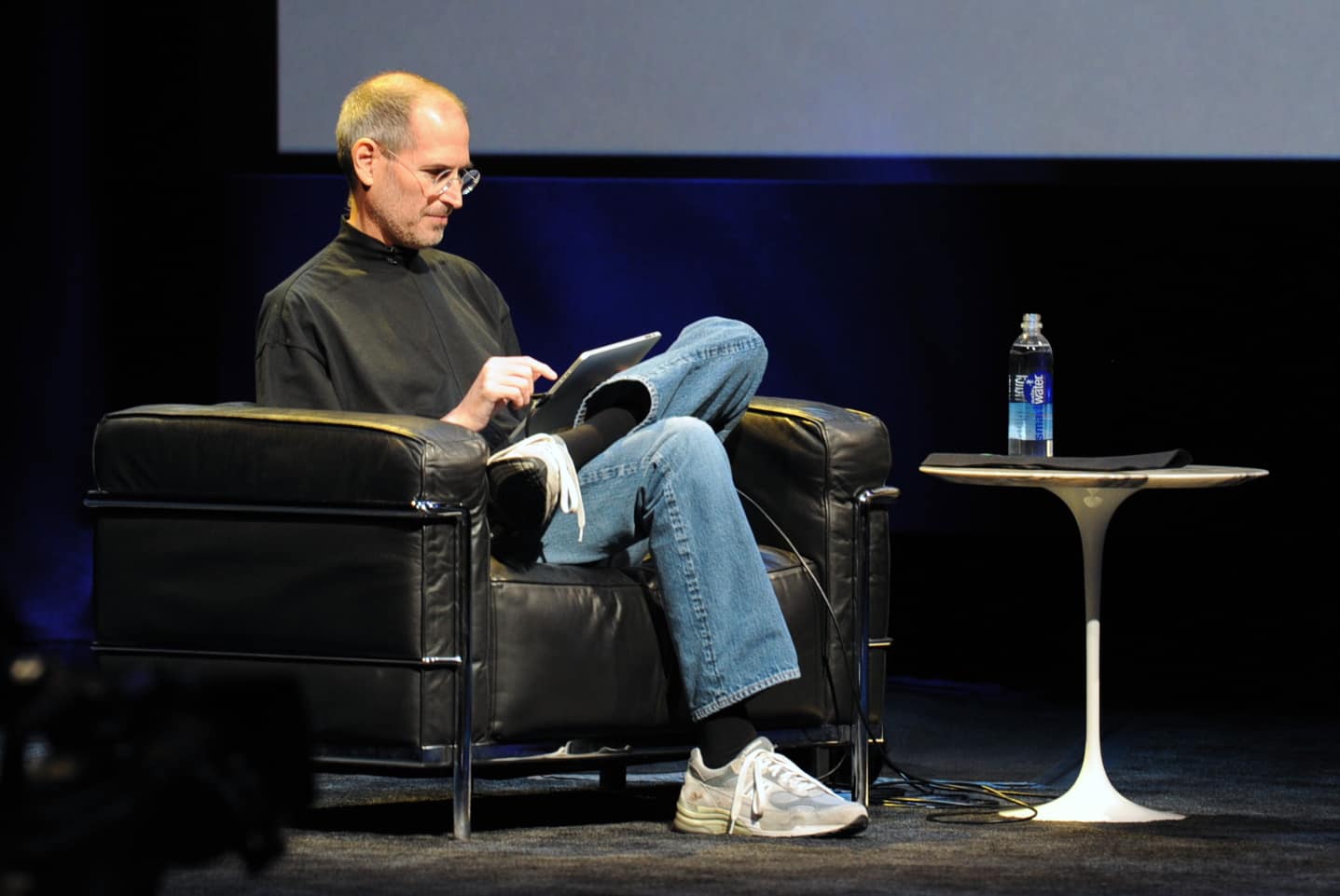
Photo: Apple
2010: The iPad fills the gap between a smartphone and a laptop. Steve Jobs demos the tablet by putting a nice leather armchair onstage, showing off how nice it the iPad is for casually browsing the web or buying movie tickets. Jobs also sings the tablet’s praises for how magical browsing the web with your fingers on a big screen can be.
2011: Siri debuts on the iPhone 4s as the intelligent voice assistant of the future. It can process your queries for information, weather, texts and more using natural language … kind of.
2012: The first Retina MacBook Pro brings the high-resolution revolution to the Mac. The new design drops the optical drive to make way for a radically thin design. It will be revered for many years.
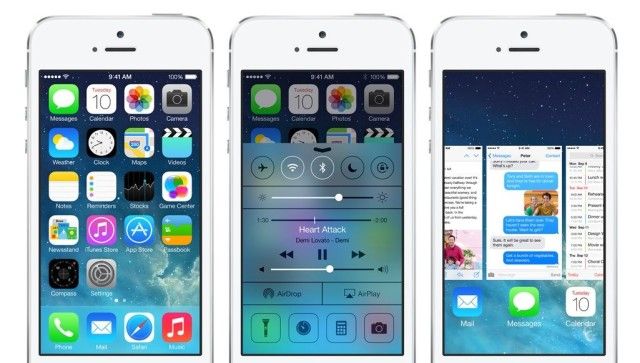
Image: Apple
2013: iOS 7 strips the iPhone’s software of its shiny chrome, gray linen, brushed metal, green felt and balsa wood textures. It’s all thin blue icons and text on frosted white translucent layers. Bright, colorful icons make up the new Home Screen. It’s a radical transformation.
2014: The iPhone goes supersized with the iPhone 6 and 6 Plus. After seven years of small, light handheld phones, Apple responds to the Android “phablets” in style. The iPhone 6 outsells every previous iPhone combined — the last model to do so.
iPhone companion products
2015: After months of waiting, the Apple Watch arrives. Apple describes it as the company’s “most personal device yet.” It tracks your activity, shows notifications on your wrist, and even runs its own mini apps. Apple leans into the possibilities of technology as fashion, with an array of finishes and swappable bands — and even a $10,000 gold model.
2016: Apple launches AirPods, its new wireless earbuds for the post-headphone-jack world. As much as people complain about Apple’s “courageous” decision and the high price, AirPods set the standard for wireless headphones that everyone will copy.
2017: The iPhone X brings the most radical reinvention of the iPhone since the original. Eliminating the Home Button and bezels, the display stretches edge to edge. And Face ID unlocks the phone just by looking at it.
2018: A redesigned iPad Pro takes the tablet to the next level, with an edge-to-edge screen and Face ID, just like the iPhone X. The A12X chip inside is an absolute monster, with faster performance than most PC laptops and graphics on par with the Xbox One S. Plus, the pro tablet’s flat edges allow for the new magnetically attaching Apple Pencil. And it’s the first iPad with a USB-C connection.
2019: The 2019 Mac Pro is a return to form as a fully expandable tower computer. With a 28-core Xeon and 1.5 TB of RAM inside, it’s also the last gasp for Intel processors. The matching Pro Display XDR (and its $999 stand) is pricey, but its 32-inch 6K screen and picture-perfect quality proves unmatched.
The 2020s Apple silicon revolution
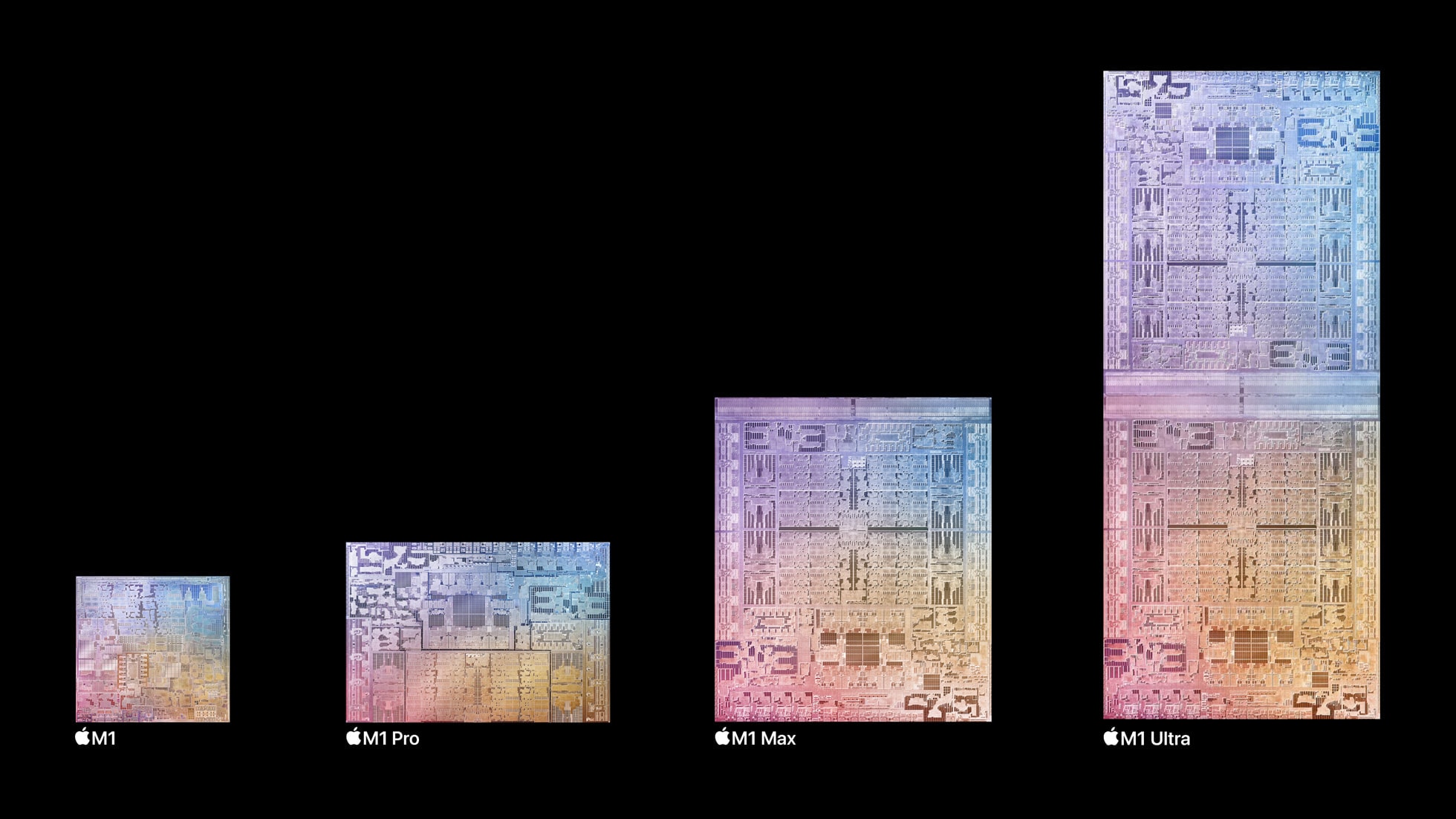
Photo: Apple
2020: The Mac switches from Intel to Apple’s own processors, dubbed “Apple silicon.” The M1 MacBook Air takes the world by storm. It packs insane battery life and performance in a fanless design.
2021: The all-new MacBook Pro repents for all the sins of the late Intel era. It brings back function keys, the HDMI port, the SD card slot and MagSafe charging in a design that’s actually a little thicker than the previous model. And it’s supercharged with the M1 Pro and M1 Max chips.
2022: The Mac Studio becomes the most powerful desktop Mac ever. And the Studio Display is Apple’s first standalone 5K display — its $1,599 price is far more reasonable than the $4,999 Pro Display XDR.
A few big swings miss the mark
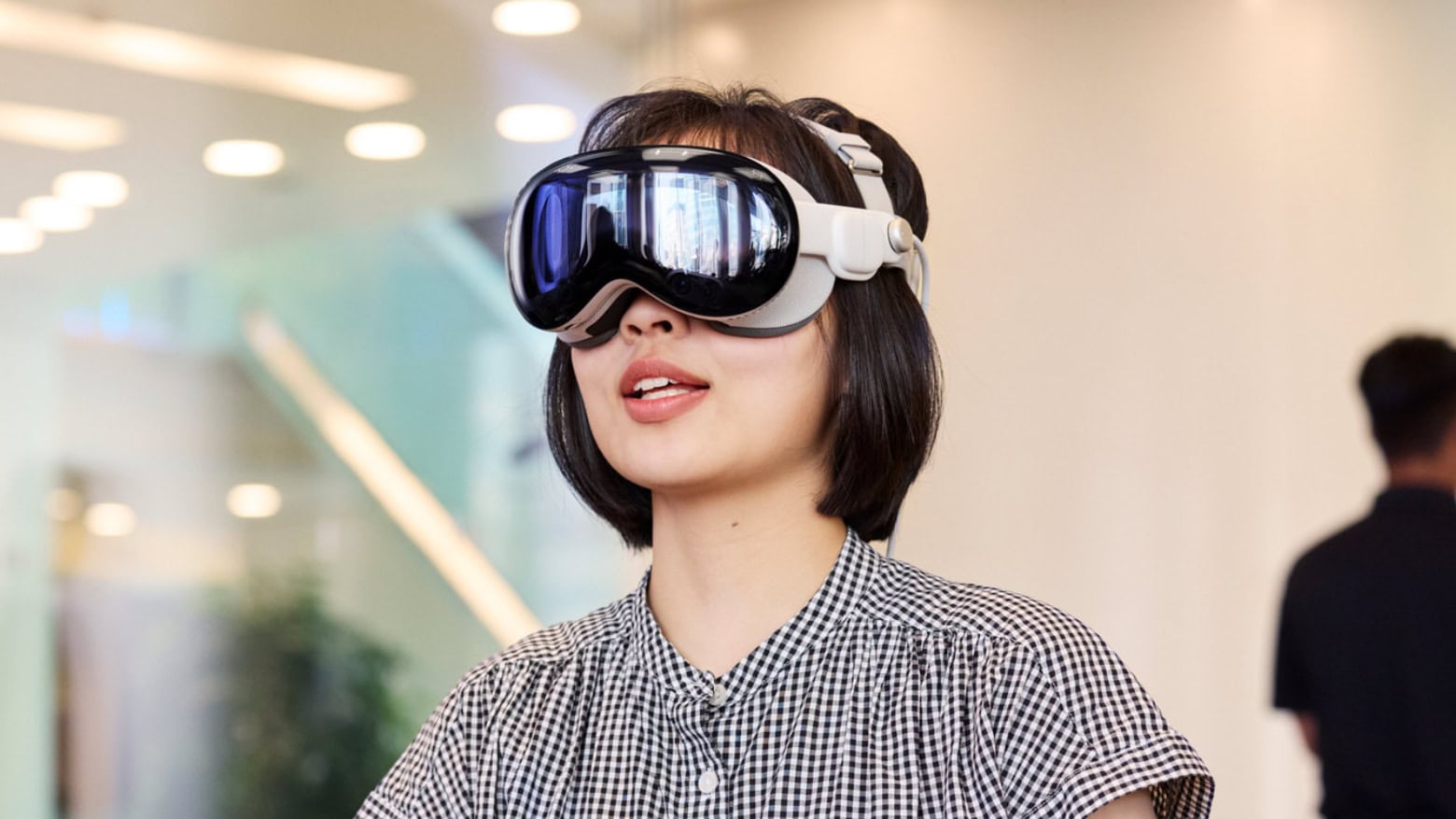
Photo: Apple
2023: Apple shows off the Vision Pro, the first “spatial computer.” Inside, all your apps like Safari, Messages, Apple Music and more freely float around your virtual environment. You interact by looking with your eyes and tapping your fingers together. But on the outside, it’s a heavy, $3,499 face computer with unsettling eyes.
2024: Apple Intelligence is Apple’s high-profile stumble into AI hype. At WWDC24, Apple shows off a radically powerful and capable new Siri, which still has not shipped after nearly two years. The features that actually arrive — notification summaries, Writing Tools, Image Playground, Image Clean Up — meet with a tepid response.
2025: Apple unleashes Liquid Glass, a radical new UI design, across all its platforms. It uses the power of Apple silicon to render buttons, menus, panels and other controls as bubbles of glass that fluidly form and refract the content underneath. Users’ response to Liquid Glass is … mixed.
2026: Apple hits it out of the park with the MacBook Neo, the company’s cheapest-ever laptop. It runs on a lower-end iPhone chip inside, and comes with a few second-grade specs, but for only $499 in the Apple Education Store, it’s hard to argue with the value proposition. And it’s shaping up to be a runaway success.

D. Griffin Jones is a writer, podcaster and video producer for Cult of Mac. Griffin has been a passionate computer enthusiast since 2002, when he got his first PC — but since getting a Mac in 2008, he hasn’t turned back. His skills in graphic and web design, along with video and podcast editing, are self-taught over 20+ years. Griffin has a bachelor’s degree in computer science and has written several (unpublished) apps for Mac and iOS. His collection of old computers is made up of 40+ desktops, laptops, PDAs and devices, dating back to the early ’80s. He brings all of these creative and technical skills, along with a deep knowledge of Apple history, into his work for Cult of Mac.