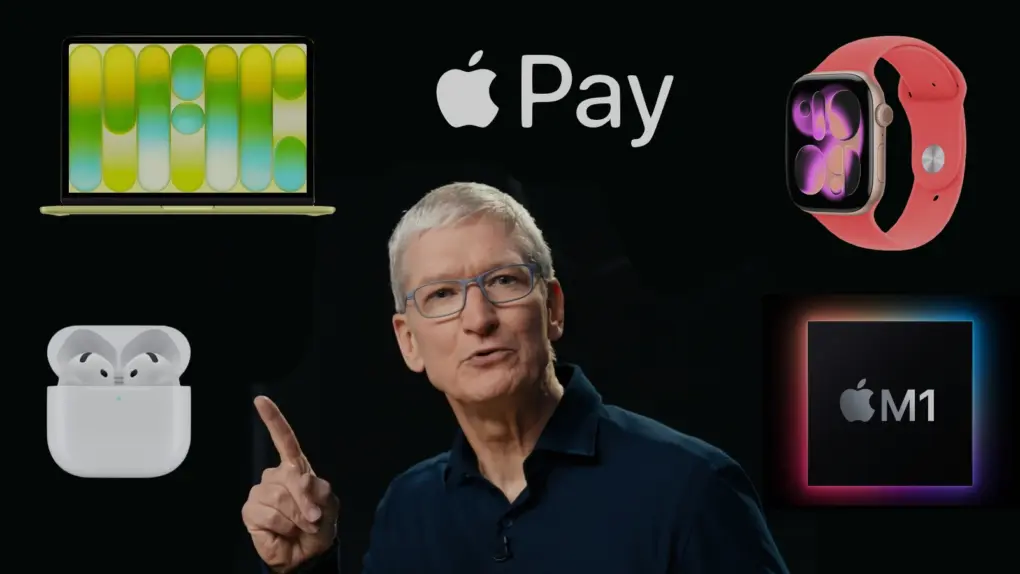
Tim Cook doesn’t get enough credit for launching groundbreaking products as Apple CEO. He quietly oversaw launches that reshaped how people listen, make purchases and monitor their health. He even revitalized the Mac.
With Cook leaving the CEO spot to become chairman of Apple’s board of directors in September, it’s time for some perspective on his time in office. Here are five examples of Cook embedding Apple deeper into our lives than ever before.
Give Tim Cook credit for his best Apple products
Tim Cook often goes underappreciated because his strengths don’t fit the popular image of a visionary tech leader, as exemplified by his predecessor, Steve Jobs.
Cook suffers by comparison to Jobs. The new products that came out of Apple during Cook’s tenure as CEO are great, but not world-changing like the Mac or the iPhone.
However, it’s not fair to discount them. “Not Steve Jobs” is a very high bar to ask anyone to jump over. And it’s not like Jobs didn’t have his share of failures. People tend to brush those under the rug, though. (See also: 6 times Steve Jobs failed hard.)
Tim Cook scored some real successes, too. Here are five of them from his 15 years as Apple CEO. Plus a few bonus wins.
AirPods
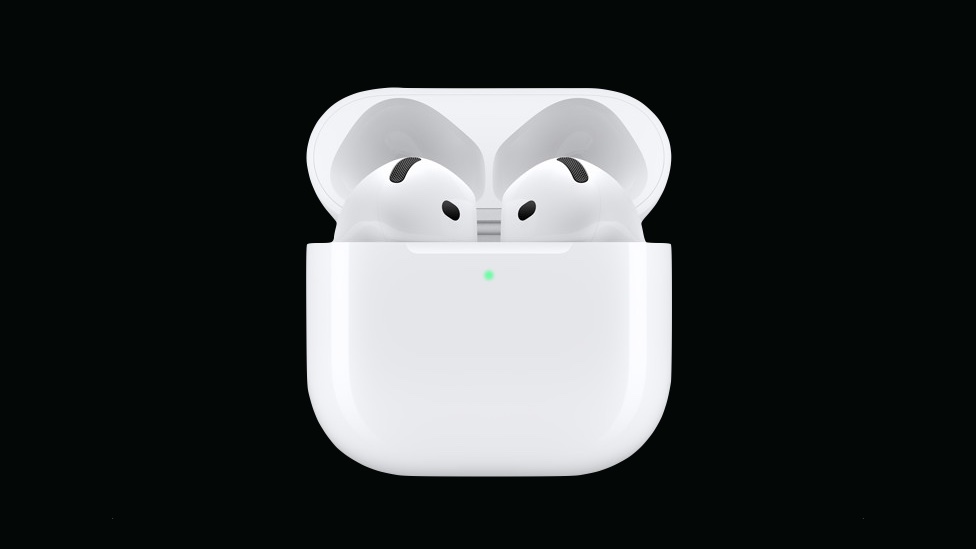
Photo: Apple/Cult of Mac
When AirPods arrived in 2016, they didn’t just remove a cable — they redefined how people used the iPhone. Before AirPods, Bluetooth audio often proved frustrating, with clunky pairing and unreliable connections. That’s why wireless headphones were not mainstream products.
With AirPods, Apple turned Bluetooth audio into something almost invisible. You just opened the case, and they simply worked … on whatever Apple computer you had in front of you. That ease of use, combined with the earbuds’ compact design and deep integration with iOS, shifted listening from a deliberate act — plugging in headphones — to a seamless, always-available experience.
Music, podcasts and calls flowed effortlessly throughout the day, and wired headphones went in a drawer. AirPods changed the way we listen. If you have doubts, look around at how many people have the distinctive white earbuds.
You can thank Tim Cook for this wireless audio revolution.
Apple Watch
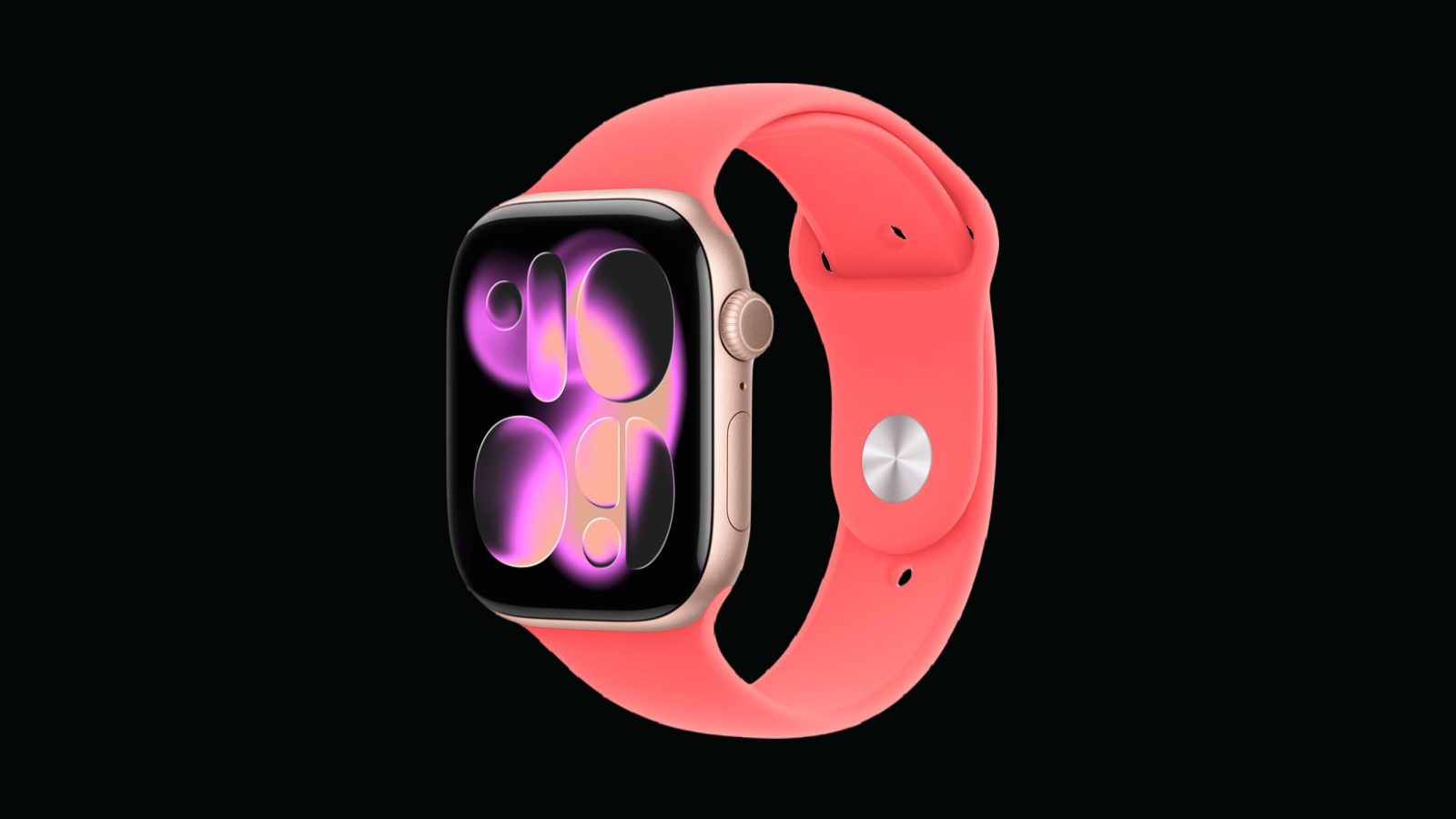
Photo: Apple/Cult of Mac
When the Apple Watch debuted in 2015, it didn’t invent the smartwatch — but it fundamentally redefined what one could be. Early wearables struggled to find a purpose beyond step counting, but Apple’s novel Activity rings turned daily movement into something motivating. Plus, tight integration with the iPhone and quick, glanceable interactions added to the appeal.
Plus, the current Apple Watch is a real-time health-monitoring device that people could once only dream of. It measures heart rate throughout the day, performs electrocardiograms, and monitors blood oxygen levels, all while passively collecting activity and sleep data.
Just as importantly, Apple approached the wearable as a fashion item, with interchangeable bands and a focus on design that made people want to wear the device all day. (No one wore a rival Fitbit because it looked good.)
That’s how Apple Watch — the first major product developed at Tim Cook’s Apple — shifted the smartwatch from a niche gadget into a mainstream, everyday companion.
Apple Pay
Image: Apple/Cult of Mac
Incoming Apple CEO John Ternus is a big fan of Apple Pay. He recently told Apple employees, “We’ve just changed the way that commerce works and how people buy things.”
Before Apple Pay, shopping with a credit card meant swiping/inserting then signing — small interruptions that added up across everyday transactions. Apple collapsed that process into a quick tap and a glance or fingerprint scan, turning checkout into something nearly instantaneous. Bonus: Apple Pay is more secure than credit cards.
People have been buying things for thousands of years. Finding a way to improve on that — and one that’s used every day by millions of people — is simply huge. Apple Pay is another major win for Tim Cook.
M-series processors
Image: Apple/Cult of Mac
Moving the Mac to Apple silicon, starting with the Apple M1 chip, was one of the most dramatic reinventions macOS has ever seen. After years of incremental gains with Intel processors, Macs suddenly delivered leaps in both performance and battery life that felt generational rather than iterative.
By designing its own chips, Apple tightly integrated CPU, GPU and RAM for a performance boost that competitors couldn’t match.
The result wasn’t just faster machines — Apple silicon revitalized the Mac and reset expectations for what personal computers could deliver. Dropping Intel to go it alone took real nerve, but Tim Cook pulled it off.
MacBook Neo
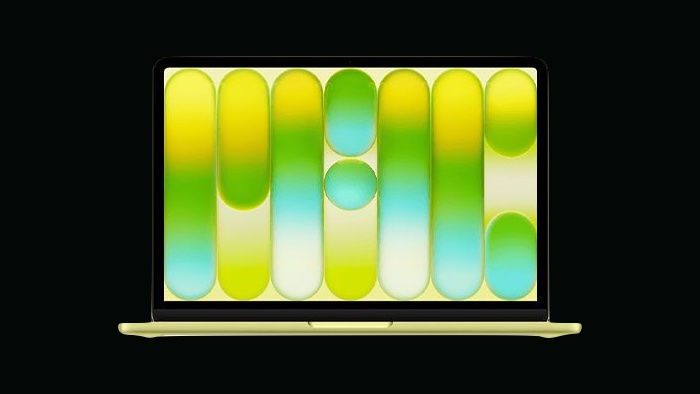
Image: Apple/Cult of Mac
Apple built its brand on premium devices. But Tim Cook recently broke out of that rut with the MacBook Neo, a laptop that prioritizes affordability. With a $599 price point, the Neo opens the door to students, casual users and emerging markets — groups Apple very nearly ignored for decades.
While the MacBook Neo is still new, it’s undoubtedly a hit. Demand is so strong that Apple is having trouble keeping up with it. The notebook remains backordered online even now, months after its launch, although you might be able to pick one up at an Apple Store. (See also: First MacBook Neo deal makes Apple’s budget laptop even more of a steal.)
And Apple’s budget laptop is just getting started. The Neo will undoubtedly become the most popular MacBook and add to Cook’s legacy for many years to come.
More of Tim Cook at his best: Apple Pencil, Apple TV, Apple Studio
As Apple CEO, Tim Cook launched plenty of successful products, some bigger than others. Here are a few that didn’t change the world but certainly made an impact.
- Apple TV sets itself apart from rival streaming services by focusing on quality over quantity. That’s reflected in the 3,429 award nominations and the 797 wins.
- Apple Pencil transforms the iPad into a powerful computer for creating digital art. It makes the tablet a valuable tool for artists.
- Mac Studio is a powerful desktop Mac created with Apple silicon in mind. It’s become a popular choice among video editors as well as 3D artists, animators and anyone who wants Apple’s most powerful computer.
Honorable mention: visionOS
While the Vision Pro headset struggles to go mainstream, the brilliant visionOS software it runs on offers a glimpse of the computer of the future. And we can thank Tim Cook for that, as he was one of the strongest advocates for augmented reality inside Apple. He understands that AR glasses are the next big thing in personal computers.
It’ll be up to Apple’s incoming CEO, John Ternus, to shrink the headsets into smart glasses and reduce the costs. These will become the post-iPhone platform … and Tim Cook laid the groundwork.

Ed Hardy has been writing full-time about tech for 25 years, and using it for much longer than that. His intro to Apple was a Macintosh SE/30 (which he still has), but now he uses a 13-inch iPad Pro as his primary computer.
That’s because he’s a “tablet first” type of guy. Rather than use a Macbook, he connects a keyboard case to the iPad. And instead of a desktop Mac, he connects his tablet to a 27-inch display and full-size keyboard. (So don’t try to tell him that everyone has to use a Mac to be productive.)
Before coming to Cult of Mac, Ed wrote for NotebookReview, TabletPCReview and Brighthand, as well as other sites.